
Pergola and Gazebo Removal in Boise: What's Actually Involved
Pergola and gazebo removal in Boise: how they come apart, footings, wiring, vines, permits and timing, from a local Treasure Valley demolition crew.
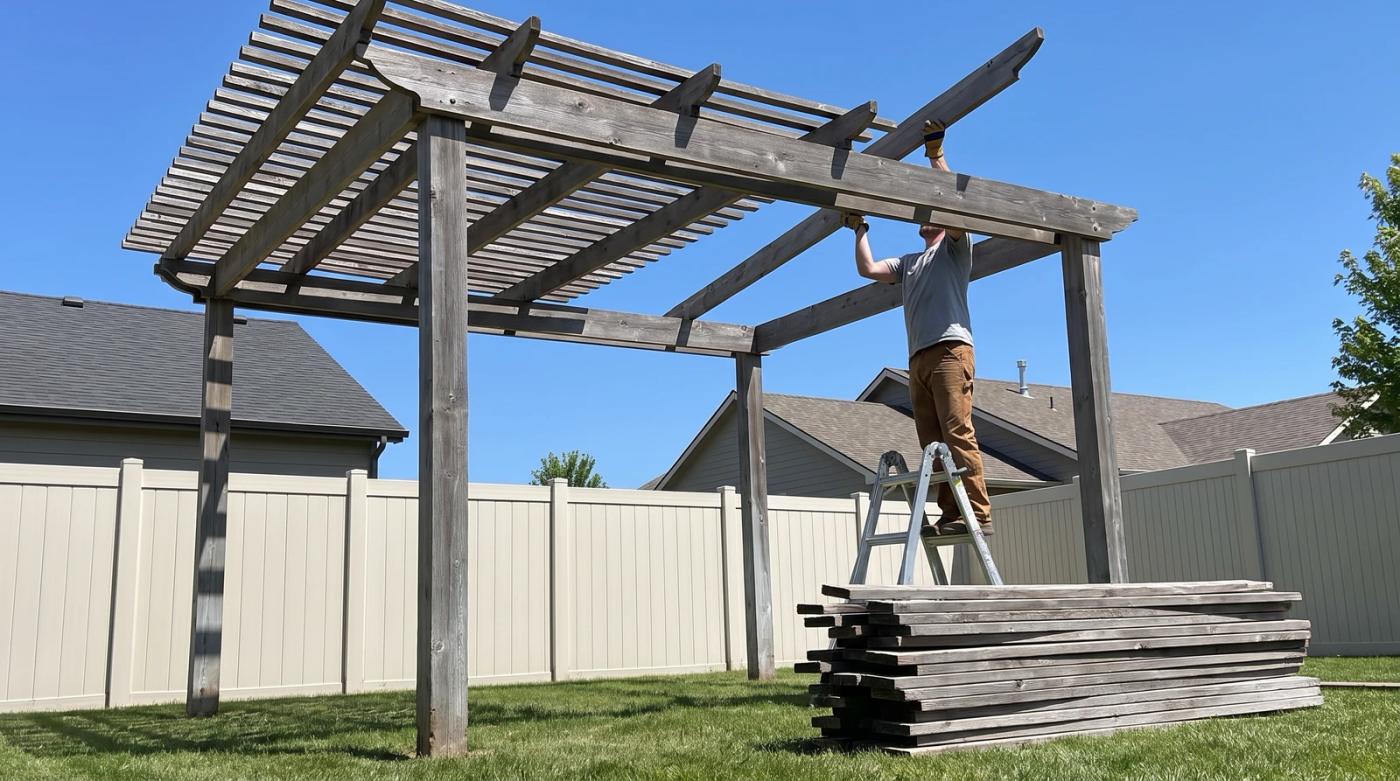
A homeowner off Ustick walked us out to her backyard last month and pointed at a cedar pergola. It was leaning about two inches toward the fence. "It was here when we bought the house," she said. "I just don't want it landing on somebody."
Most pergola and gazebo removal calls we get in Boise start about the same way. Nobody who lives there built it, nobody wants to fix it, and it's slowly going gray in the sun. If that sounds like your backyard, here's what actually goes into taking one down.
Why Pergolas and Gazebos Wear Out Here
The Treasure Valley is rough on outdoor wood. Long, dry summers bake the tops of the beams until they check and split. Then winter freezes whatever moisture worked its way into those cracks.
Give it ten or fifteen years and the rafters start to sag. The posts rot right at the base, where they meet the dirt or the concrete.
Vinyl and aluminum kits hold up better, but they've got their own problems. Brackets work loose. Polycarbonate roof panels go cloudy and brittle, and one windy spring afternoon can rip a panel clean off.
So is it worth repairing? Sometimes. Yes, we'd happily take the job, but honestly, if the posts are solid and it's just a few bad boards up top, a carpenter can probably save it. Rot at the base of the posts is a different story. That's usually a teardown.
What Pergola and Gazebo Removal Really Involves
From the patio, a pergola looks simple. A few posts, some beams. The real work is in how it's attached.
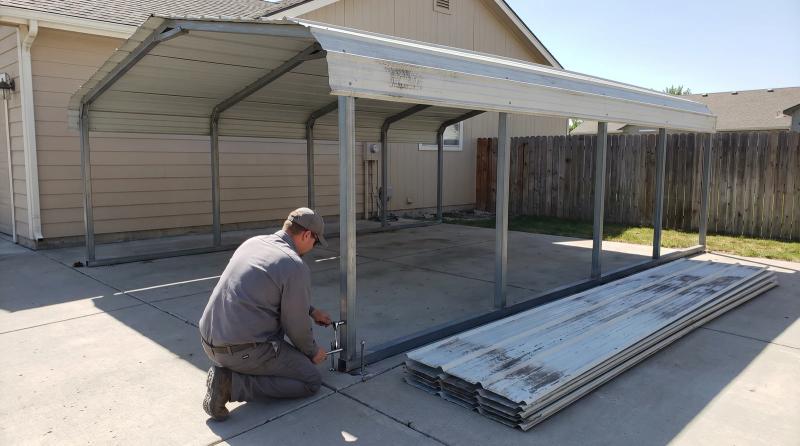
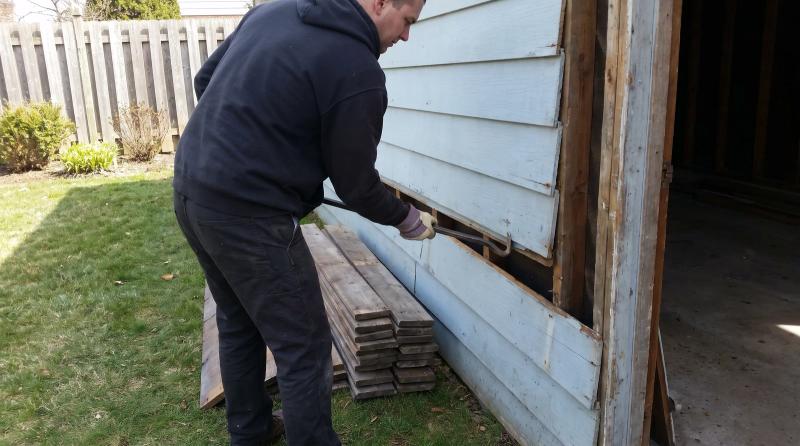
Freestanding wood pergolas come apart in a predictable order. Slats first, then rafters, then the main beams, and the posts go last. Two of us can usually have one down and loaded in a few hours.
Gazebos with a solid roof take longer. Shingles or metal roofing mean more weight overhead and more stuff to sort. Some of the older gazebos in the North End and up on the Bench were built like little houses, with full framing and a raised wood floor.
Attached pergolas are the tricky ones. If it's bolted to a ledger board on your house, it has to come off without chewing up the siding or stucco. You'll be left with a row of bolt holes that need patching or caulk.
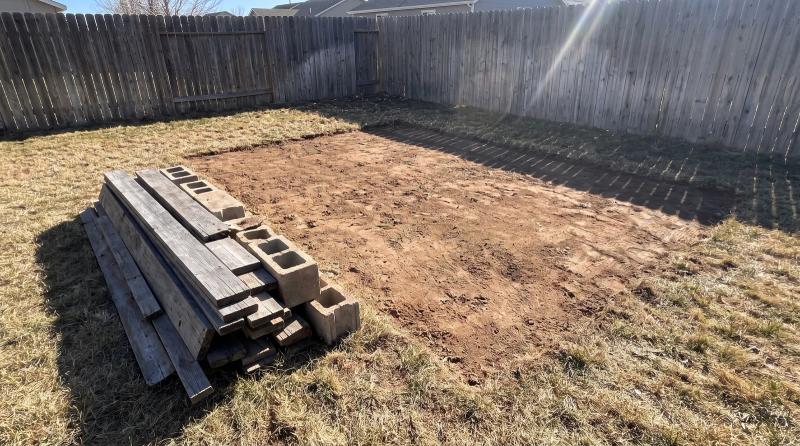
Then there's whatever is holding the posts down. Some sit on metal brackets anchored into a patio slab, and those just unbolt. Others are set in concrete footings a couple feet deep. We dig those out, break them up, or cut them off at grade if the spot's going back to lawn or gravel.
Heads up: If your pergola or gazebo has string lights, a ceiling fan or an outlet, there's wiring running to it. Have an electrician disconnect and cap it at the source before demo day. We can work around a lot of things, but a live wire inside a post isn't one of them.
Permits for Pergola and Gazebo Removal in Boise
For most freestanding backyard structures, taking one down is a lot simpler than putting one up. Still, it's not something to guess at.
Boise, Meridian, Nampa and the other Treasure Valley cities each run their own building department. What they want can depend on the size of the structure, whether it has electrical, and whether it's tied into the house.
If you're in an HOA neighborhood in Eagle, Star or along Meridian's Ten Mile corridor, check your covenants too. Some HOAs want a heads-up on any change to the backyard, even a removal.
We'll tell you what we know when we come out for the estimate. If the job needs a permit, we pull it. And if you'd like peace of mind before then, a quick call to your city's permit desk will settle it.
What Else Comes Down With It
This part catches people off guard. A lot of old pergolas around here are holding up twenty years of grapevine, wisteria or trumpet vine.
Take the structure away and those vines don't just float there. They have to be cut, pulled down and hauled off too. A mature wisteria can outweigh the lumber it's wrapped around.
So decide before demo day. Do you want the vine gone for good, or cut back to the trunk so it can climb something new? Either one's fine. We just need to know which.
Not all of the material ends up in a landfill, either. Aluminum and steel frames go to metal recycling, and clean cedar in decent shape sometimes gets a second life. Painted and pressure-treated wood generally heads to the Ada County landfill, or the Canyon County one if you're out in Nampa or Caldwell.
Want to keep something? The porch swing, the post caps, a few good boards for a raised bed? Set it aside or just tell us, and it stays put.
Timing and Cost
Fall is a good window. The ground is still easy to dig for footings, and you get a sagging roof down before the first heavy snow sits on it. Early spring works too, before you actually want the patio back.
Most of these jobs get scheduled within a few days of the estimate. Pricing is based on volume, meaning how much truck space the debris takes up, plus any extra labor for footings or an attached ledger. The estimate's free, and you get a firm price before anything comes apart.
Bottom line: a worn-out pergola or gazebo is usually a few hours of work. What matters is how it's attached, what's wired to it, and what's growing on it. Sort out those three things first and the removal goes fast.
Got one leaning in your backyard in Boise, Nampa or anywhere else in the Treasure Valley? Give us a call at (208) 593-2877. We'll come take a look, tell you what's involved and give you a price. No pressure either way.
Need Help With Demolition?
Top Shelf serves Boise and the Treasure Valley with professional junk removal, cleanouts, and demolition services.