
Demolition in Boise: What About Lead Paint in Older Homes?
Planning demolition on a pre-1978 Boise home, garage or shed? Here's what lead paint means for your project, how to check, and what to ask before work starts.
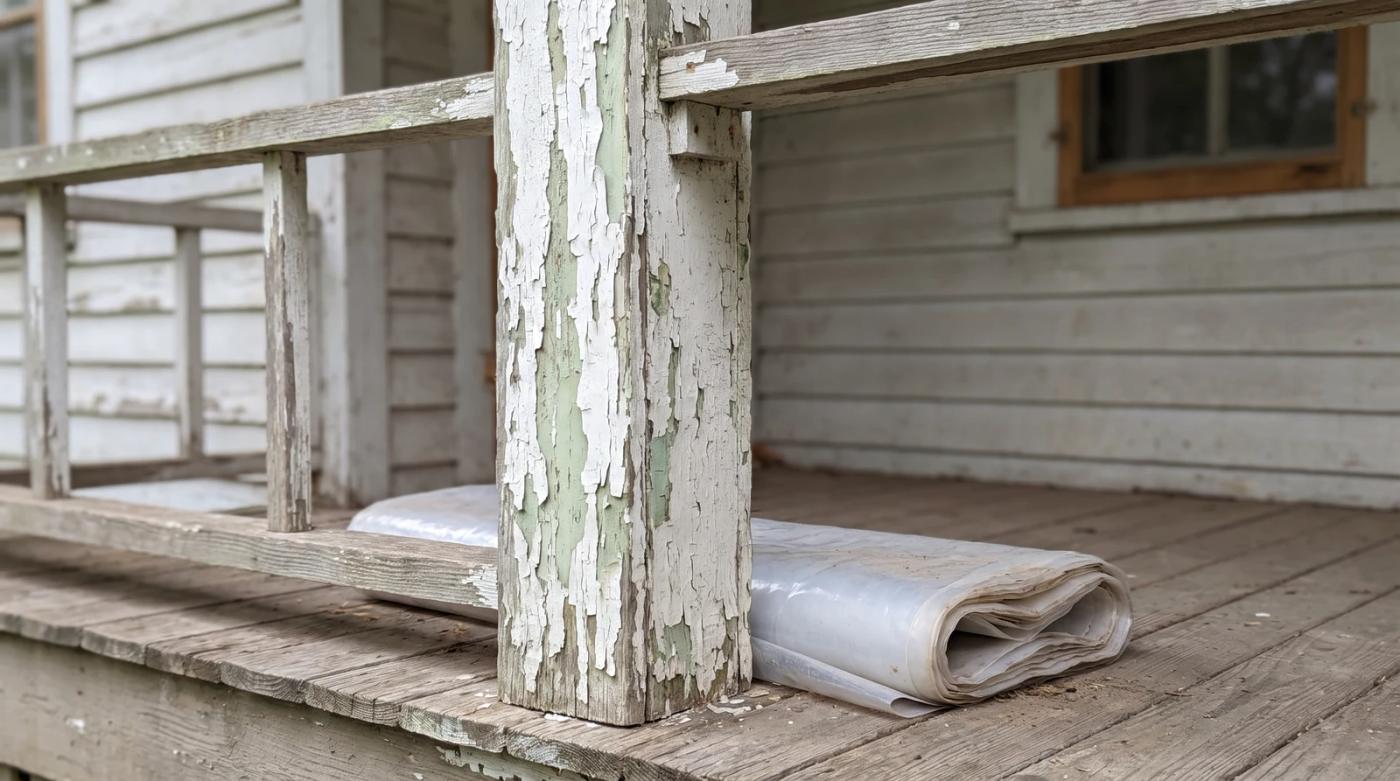
You're standing on an old porch in Boise's North End, looking at peeling paint with a few different colors showing through the cracks. Before any demolition starts on a house that age, it's worth asking a question most people skip: is there lead paint in there?
It might not change much. But it's a lot easier to find out before the sledgehammer comes out than after.
Why the year your house was built matters
Lead-based paint was banned for residential use in the United States in 1978. That's the line the federal rules use, so it's the first thing to check.
If your home, garage, shed or shop went up before 1978, there's a real chance at least one layer of paint has lead in it. Not a sure thing. Just a real chance.
Plenty of Treasure Valley buildings fall on that side of the line. Think the North End, the East End, older parts of the Bench, the older neighborhoods in Nampa and Caldwell, and a lot of farm outbuildings out toward Kuna and Star. Newer subdivisions along Meridian's Ten Mile corridor or in Harris Ranch mostly won't have this issue.
Here's the part people don't expect. Lead paint sitting quietly on a wall isn't the big problem. The problem starts when you break it apart, because demolition turns paint into chips and dust, and dust ends up in lungs, carpet, garden soil and kids' hands.
What the lead paint rules say about demolition
The EPA has a rule called the Renovation, Repair and Painting Rule, which most people just call RRP. It covers paid work that disturbs painted surfaces in homes and child-occupied buildings built before 1978.
It kicks in once you disturb more than 6 square feet of paint in a room, or more than 20 square feet on the outside. Demolition gets past those amounts fast. Pulling out a wall, tearing off a porch or stripping siding all count.
When the rule applies, the work has to be done by a certified firm using lead-safe methods. In practice that means plastic sheeting, containment, careful cleanup, and keeping dust out of the rest of the house and the neighbor's yard.
Doing it yourself on your own place? RRP is written for people who get paid to do the work, so a homeowner working on their own home isn't covered by it in the same way. The dust isn't any safer, though. The responsibility just lands on you.
Tearing down a whole building is its own situation, and permit requirements aren't the same in Boise, Meridian, Nampa or unincorporated Ada and Canyon County. If an entire structure is coming down, call the permit office for that address and ask what they need before you start.
Heads up: Test before you tear anything out, not halfway through. Once a wall is in pieces on the floor, it's too late to contain the dust. You can buy EPA-recognized lead test kits at hardware stores, and a certified inspector or risk assessor can give you a firmer answer if the kit results are unclear.
Checking your project before demolition starts
Start with the age of the building. County assessor records usually list the year built. Detached garages and sheds aren't always the same age as the house, so look at them separately if you can.
Then look at the paint. Lots of layers, chalky or alligator-cracked finishes, and old trim around windows and doors are the usual suspects.
If it's pre-1978 and you're not sure, you've got two options. Test it, or treat it like it has lead. Honestly, a lot of people just assume it does and plan around that, which is a fair call on an old structure.
Hiring it out? Ask straight up. Is your firm RRP certified? How will you contain the dust? What does cleanup look like at the end? A decent company won't mind the questions, and yes, that goes for us too.
What changes when lead is involved
Mostly the setup and the cleanup. The tearing down itself is about the same.
The work area gets closed off and nearby floors and surfaces get covered. Anyone who isn't working stays out, especially kids and anyone pregnant. No dry sweeping. Cleanup is done wet and with HEPA vacuums.
Outdoor work in the Treasure Valley takes a little extra thought. Hot, dry summers and those afternoon winds can carry chips and dust farther than you'd guess. Sheeting on the ground, calmer days and picking up debris as you go all help.
All that adds time and materials, so a job on an old painted structure can cost more than the same job on a newer one. The rest of the price comes from the usual stuff: how much debris there is, how easy it is to get to, and where it has to go.
Disposal sites can have their own requirements for painted debris, too. If you're hauling it to the Ada County landfill or a Canyon County site yourself, call ahead and ask how they want painted demolition debris brought in.
Before you swing anything
If the building is older than 1978, figure out the paint first. A test kit or a few questions to your contractor costs far less than getting lead dust out of a house.
Want someone to look at your shed, porch, garage or wall and explain what taking it down would involve? Give Top Shelf Junk Removal and Demolition a call at (208) 593-2877. The estimate's free, and you'll get a firm price before anything gets touched.
Need Help With Demolition?
Top Shelf serves Boise and the Treasure Valley with professional junk removal, cleanouts, and demolition services.