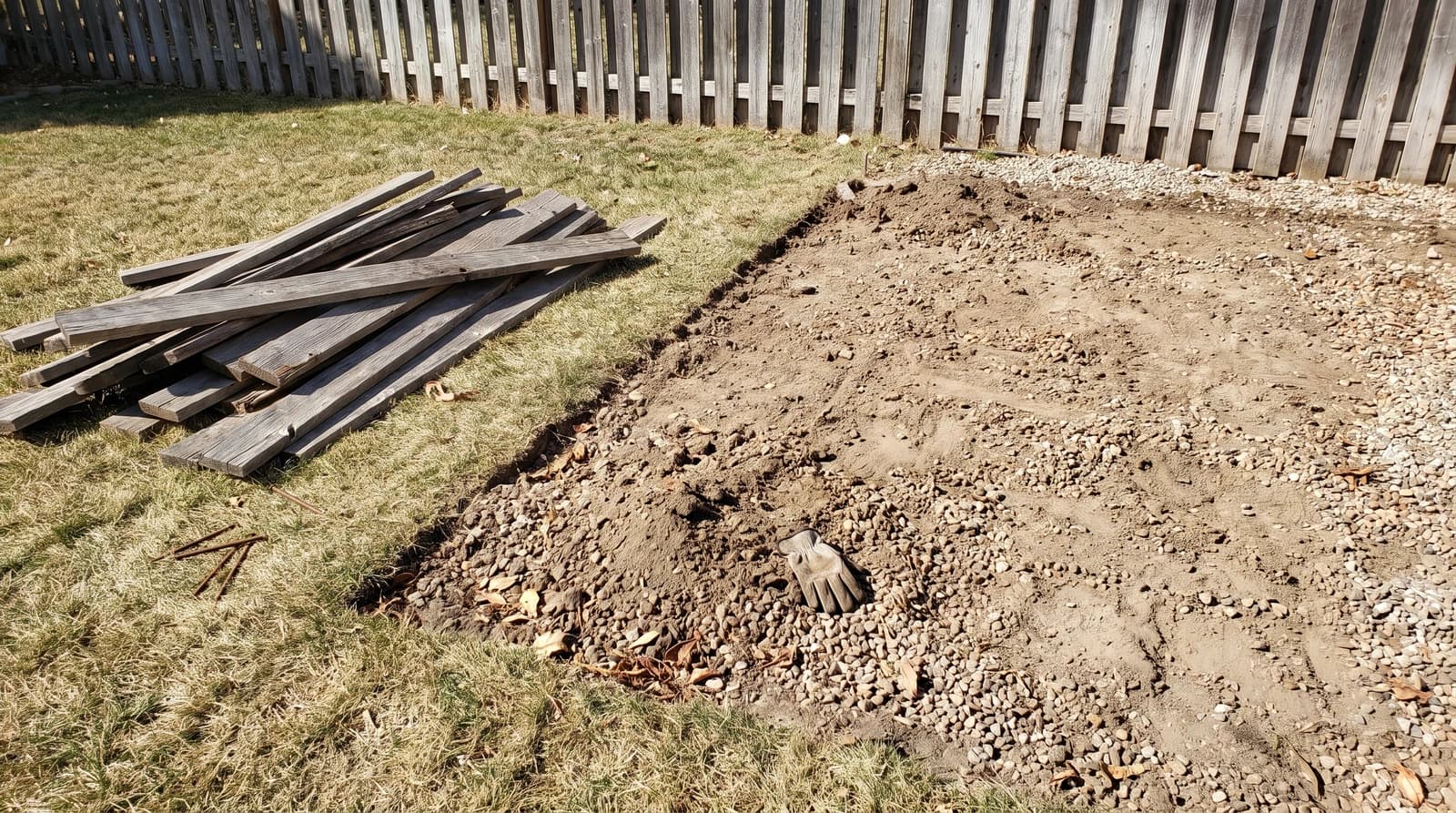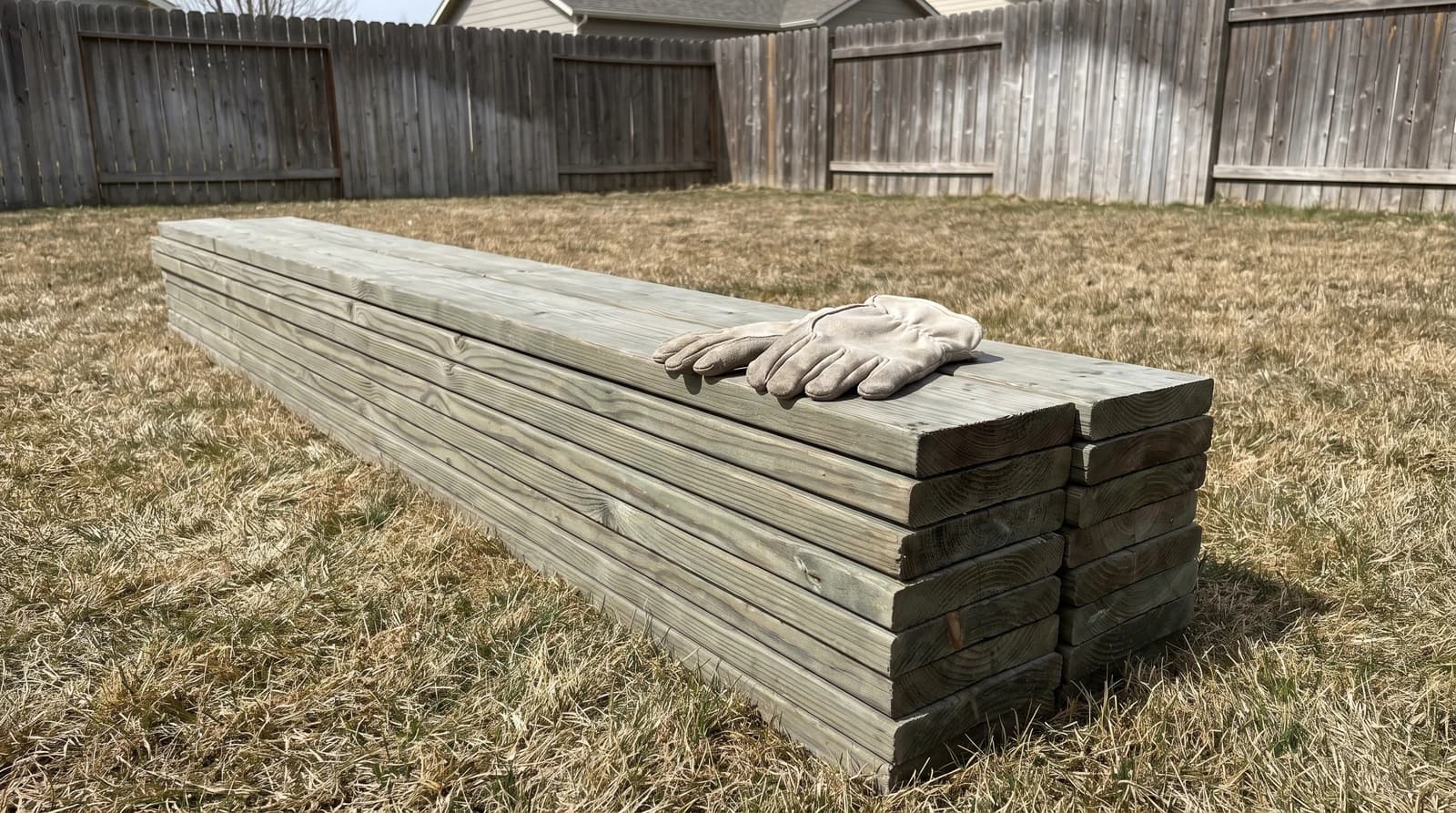

Deck Removal in Boise: Can You Reuse the Old Boards?
Wondering if you can salvage, sell, or burn the wood from an old deck in Boise? Here's what's actually reusable, what's not, and why it matters.
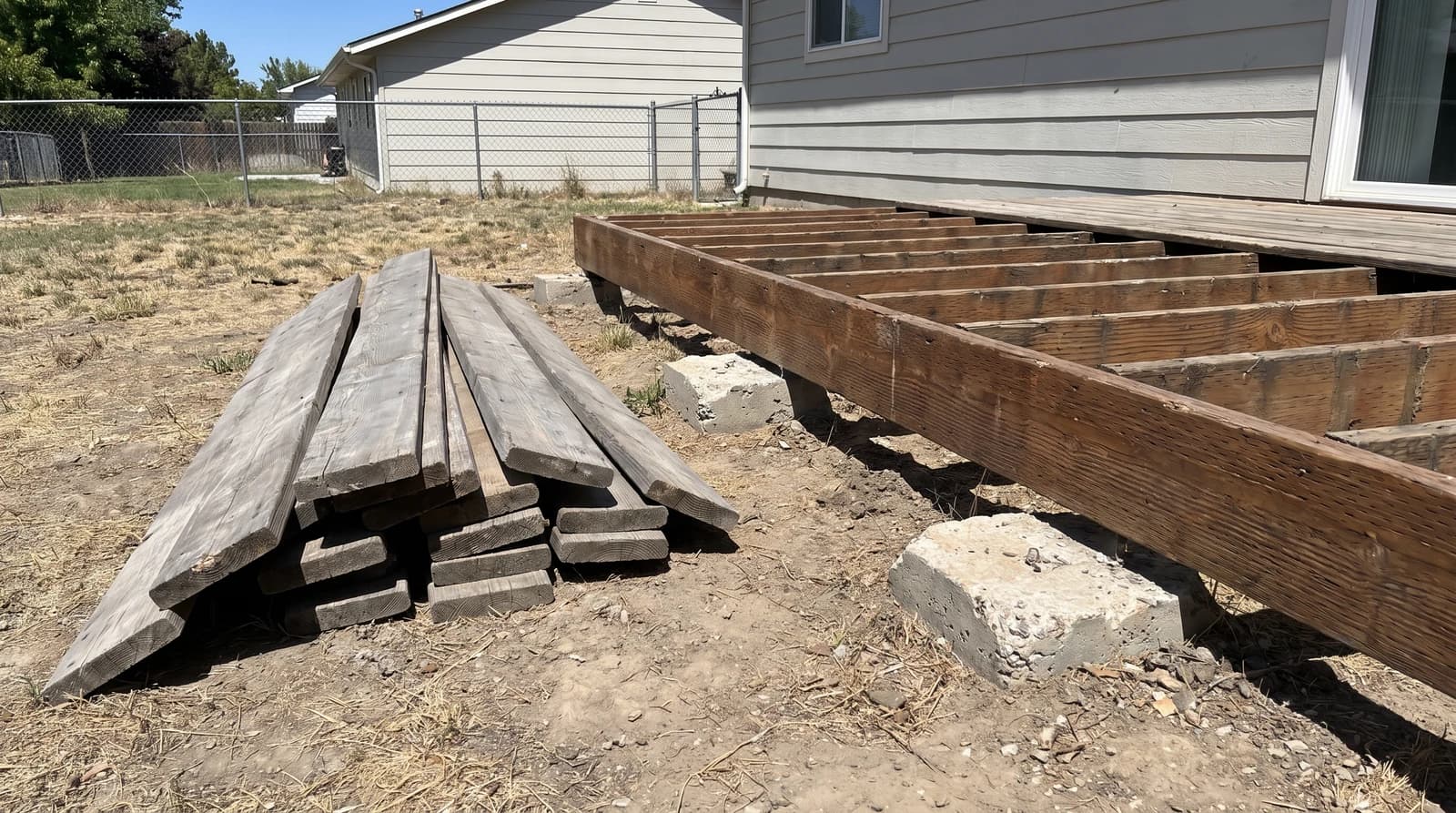
A guy in Garden City stopped us halfway through a deck removal last spring. He wanted the boards. All of them.
He had a fire pit, a smoker, and big plans for a raised garden bed. We had to tell him no on two out of three, and he was not thrilled about it.
That same conversation comes up on almost every job we do around Boise. You're staring at a stack of lumber that cost real money once, and hauling it off feels wasteful. Sometimes it is. Usually it isn't.
Here's how to tell the difference before you start pulling nails.
First, figure out what your deck is actually made of
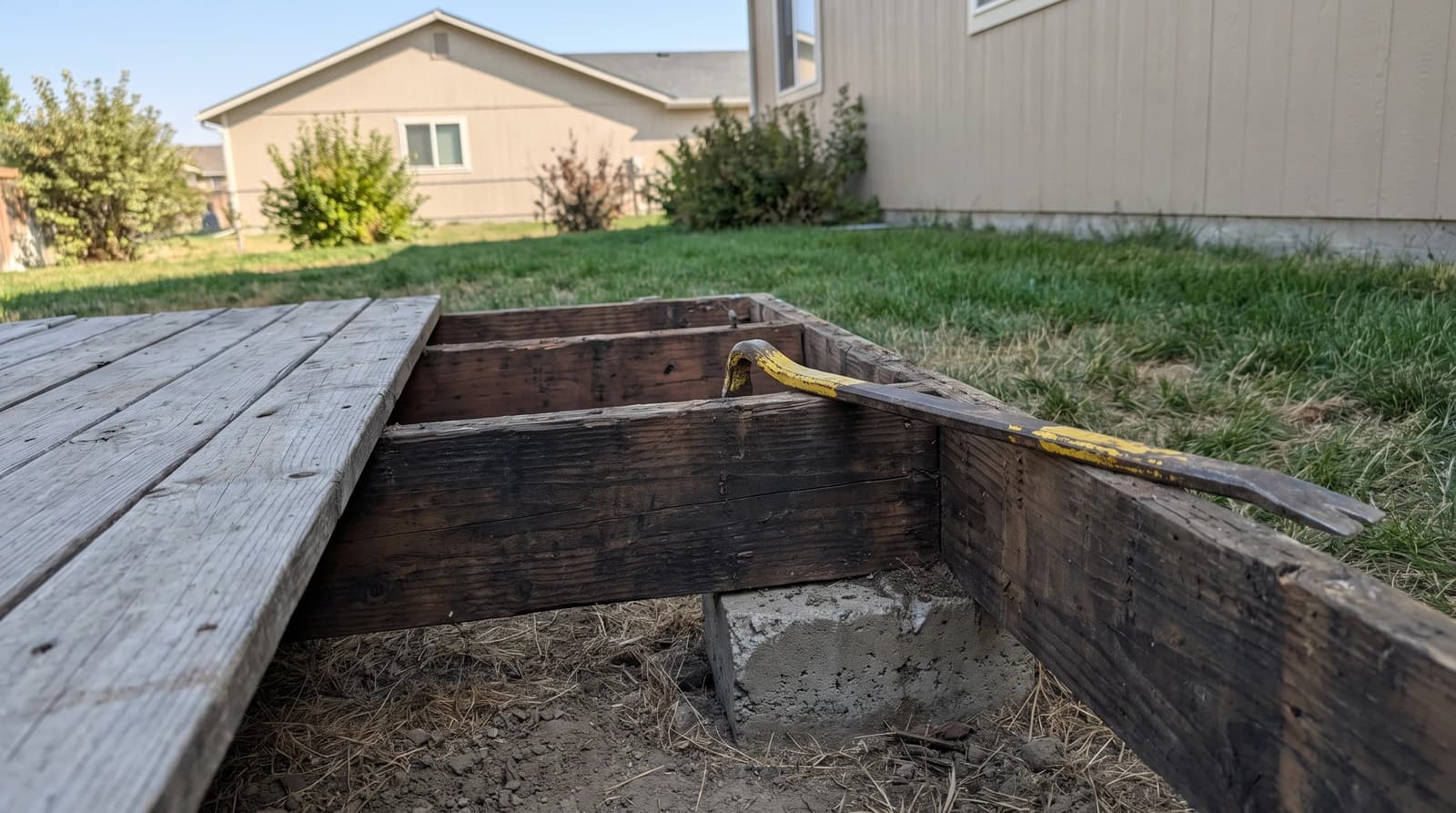
Most decks around the Treasure Valley built between the mid-90s and about 2005 are pressure-treated pine. Before roughly 2004, a lot of that lumber was treated with CCA, which contains arsenic. After that, the industry moved to copper-based treatments like ACQ.
Either way, it's chemically treated wood. That matters more than people expect.
Newer decks, say 2010 and on, are more likely to be composite. Trex, TimberTech, that family of products. Composite is wood flour mixed with recycled plastic, and it behaves nothing like lumber when you try to reuse it.
Then there's cedar and redwood, which show up on the nicer older homes in the North End and around Warm Springs. That's untreated, and it's the one category genuinely worth saving.
What we do with the wood after a deck removal
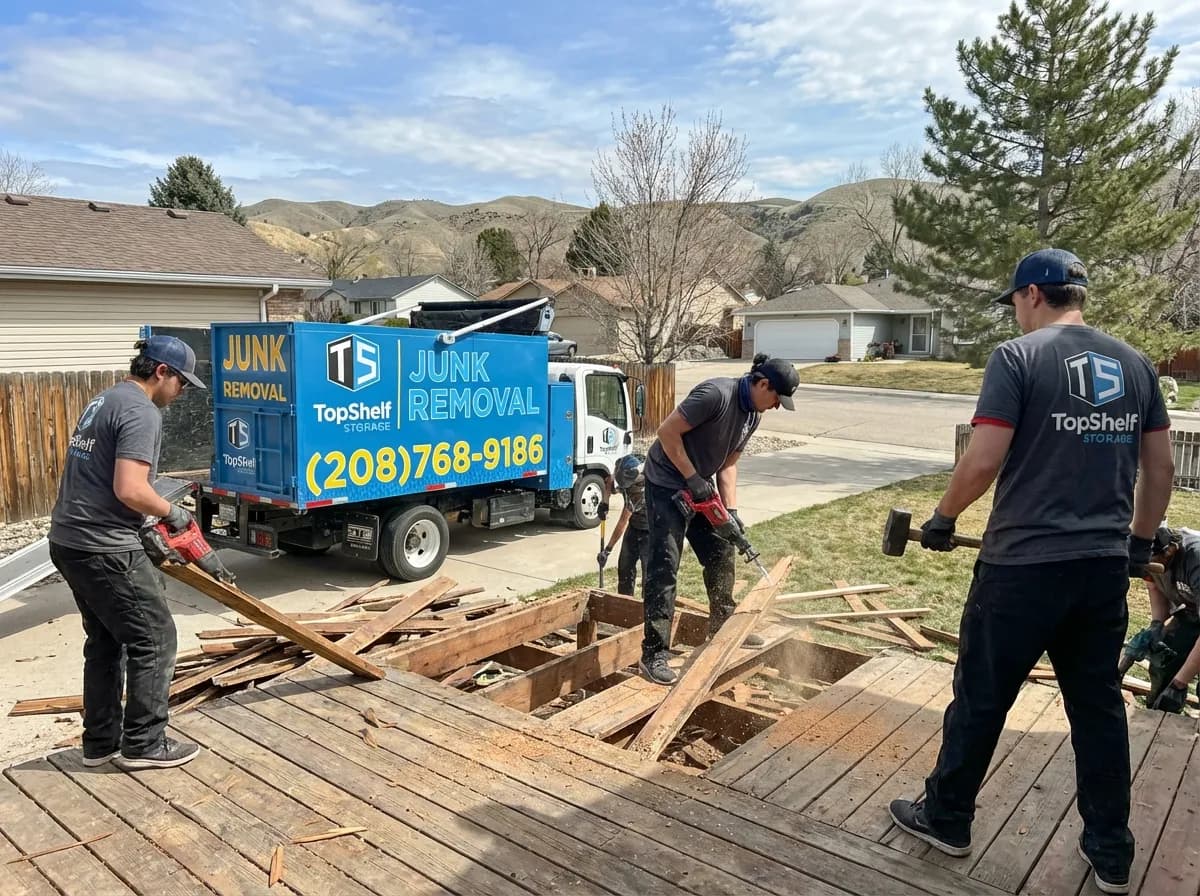
On a typical tear-out we're separating material as we go, not after. It's faster that way and it keeps the disposal cost down. Here's roughly where everything ends up.
| Material | Where it usually goes | Worth salvaging? |
|---|---|---|
| Pressure-treated boards | Hidden Hollow Landfill | No |
| Composite decking | Landfill (rarely recyclable locally) | No |
| Cedar or redwood | Reuse, resale, or milling | Often yes |
| Joist hangers, screws, flashing | Western Recycling as scrap metal | Yes, but low value |
| Concrete footings | Concrete recycling or landfill | No |
The metal is the part people forget. A 400 square foot deck has a surprising amount of galvanized hardware in it, plus whatever ledger flashing was tucked against the house. It won't pay for your job, but it keeps a few hundred pounds out of the landfill and it costs us five extra minutes.
Composite is the frustrating one. It comes off clean, it's still structurally fine, and there's basically no local outlet for it.
Some manufacturers run take-back programs in other markets. Not here. So it goes in the truck with everything else.
What's actually worth pulling aside
If your deck has cedar in it, slow down before you start swinging. Old cedar is denser and tighter-grained than most of what you'll buy new, and people around here will drive across town for it.
A few things we've watched homeowners pull off with salvaged deck material:
- Cedar deck boards planed down into fence pickets or shop shelving
- Untreated 2x8 and 2x10 joists reused as garden bed frames or workbench tops
- Cedar posts cut down into planter boxes
- Handrail sections turned into a trellis, which sounds odd but looks good
What doesn't work is raised vegetable beds out of treated lumber. The copper leaching risk is low with modern ACQ, but with older CCA boards you're putting arsenic next to the tomatoes. Not a trade we'd make.
And don't count on donating it. Idaho Youth Ranch and similar places take furniture and household goods, not used construction lumber with 200 nail holes in it. We get asked about that a lot and the answer is almost always no.
Does saving boards lower your deck removal cost?
A little. Not as much as you'd hope.
Most of what you're paying for on a deck removal job is labor and disposal volume. Around Boise, Meridian, and Nampa, a standard attached deck in the 200 to 400 square foot range usually runs somewhere between $700 and $1,800, depending on height, framing, and how the footings were set.
Pull 30 cedar boards out of that and you might shave a bit off the disposal side. You're not cutting the bill in half.
Where it does move the needle: stack and set aside the boards you want before we show up. Then we're not sorting on the clock. Tell us at the walkthrough which pieces you're keeping and we'll work around them.
Yes, we'd love the whole job. But if you've got good cedar and a real use for it, keep it. We'd rather you get something out of it than watch it ride to Hidden Hollow.
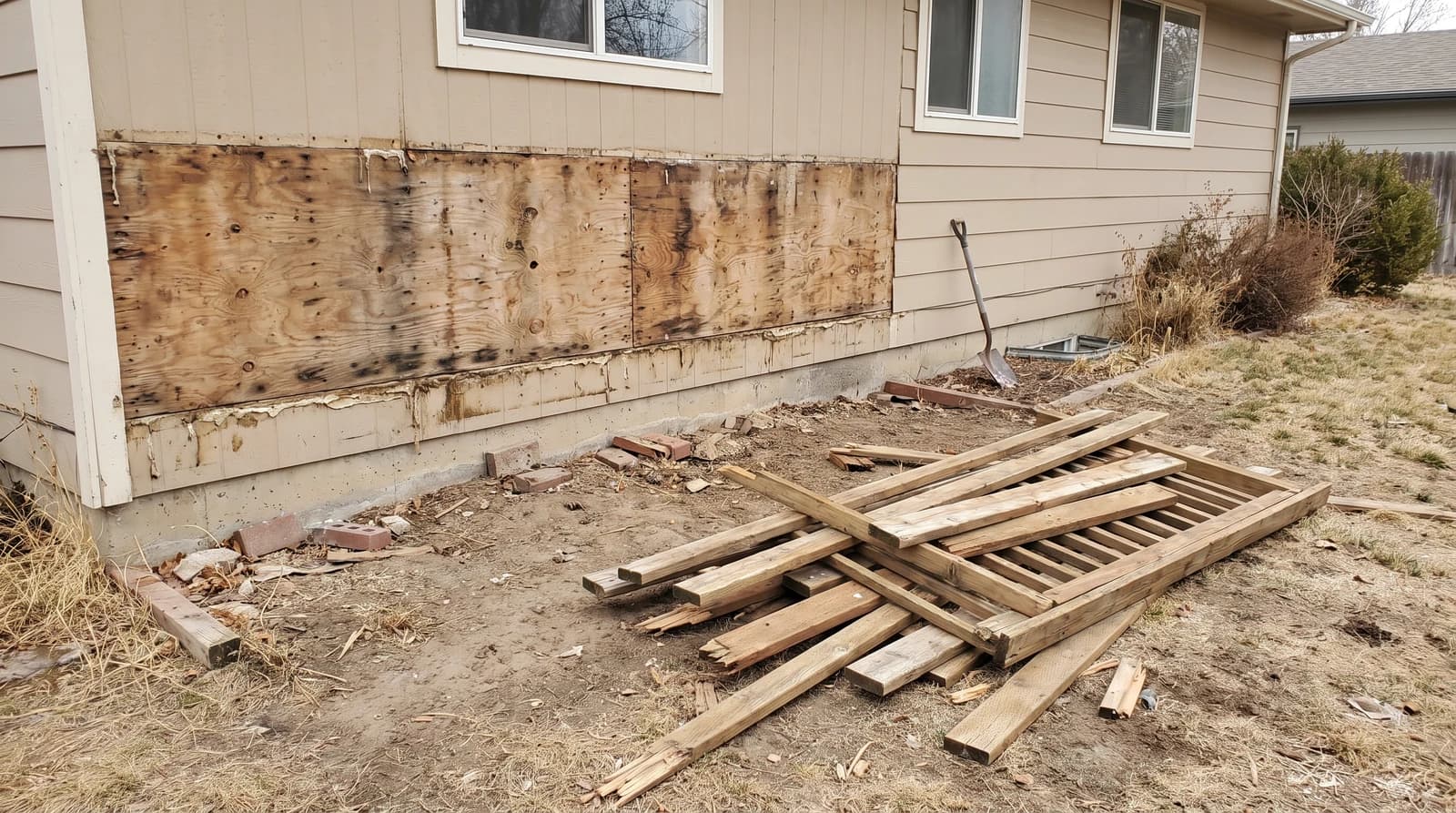
One more thing worth checking first: is the deck coming off clean, or coming off the house? If it's ledger-attached, the siding underneath is its own project, and we walk through that in attached deck removal and what happens to the siding. And if you're still deciding whether the thing needs to go at all, our take on repair versus demolition is a better starting point than this post.
Bottom line
Cedar and redwood, save it. Pressure-treated and composite, let it go, and don't burn the treated stuff. The scrap metal is worth separating even though the payout is small.
If you want someone to look at the deck and tell you straight what's salvageable, that's part of every deck removal estimate we do. Call or text us at (208) 593-2877 and we'll come take a look. No charge for the opinion.
Need Help With Deck Removal?
Top Shelf serves Boise and the Treasure Valley with professional junk removal, cleanouts, and demolition services.