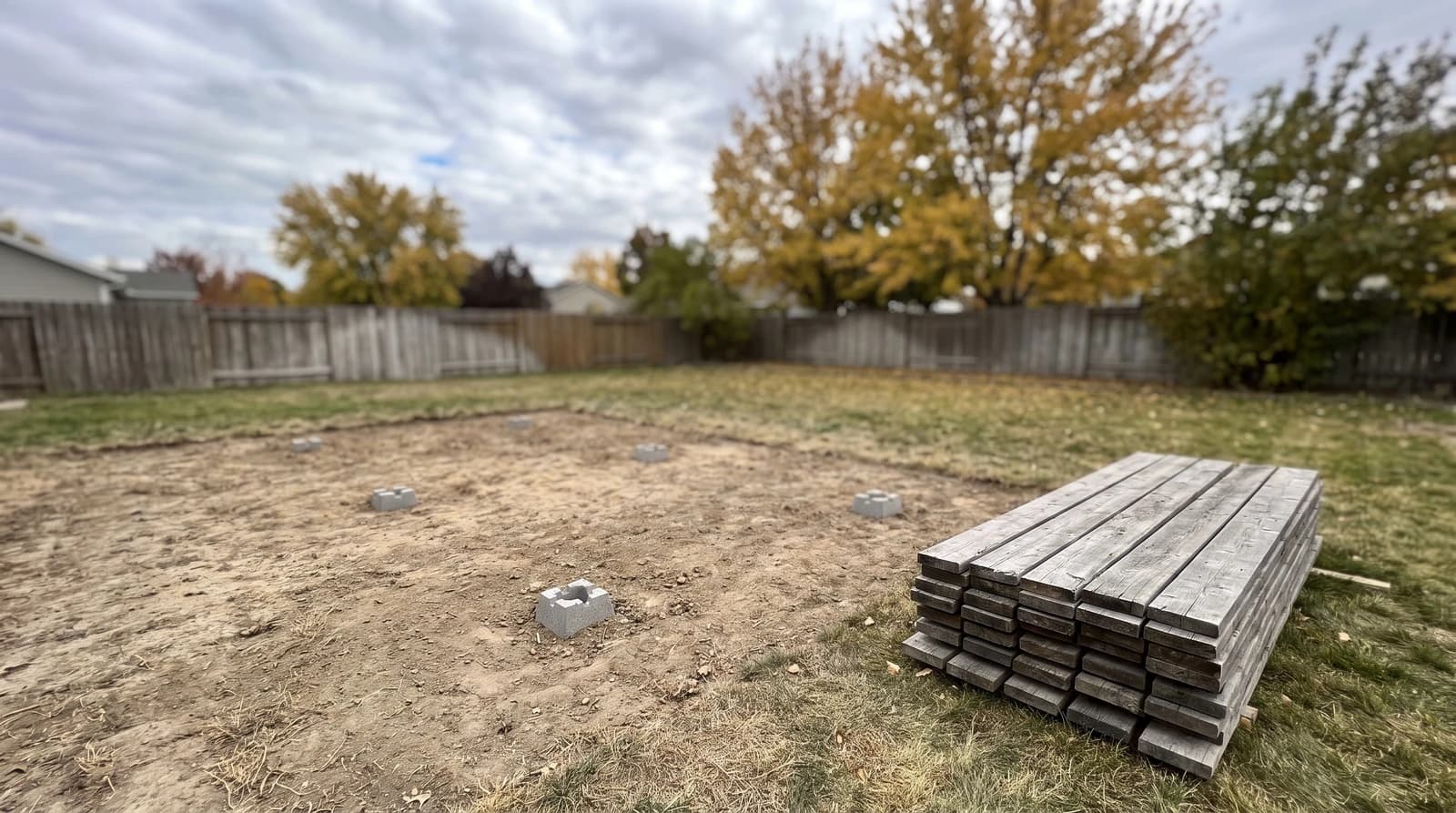

Deck Removal in Boise: What's Under There When It's Gone
Pulling an old deck in Boise? Here's what's usually underneath, from gravel to sprinkler heads, and how to handle the bare patch once it's gone.
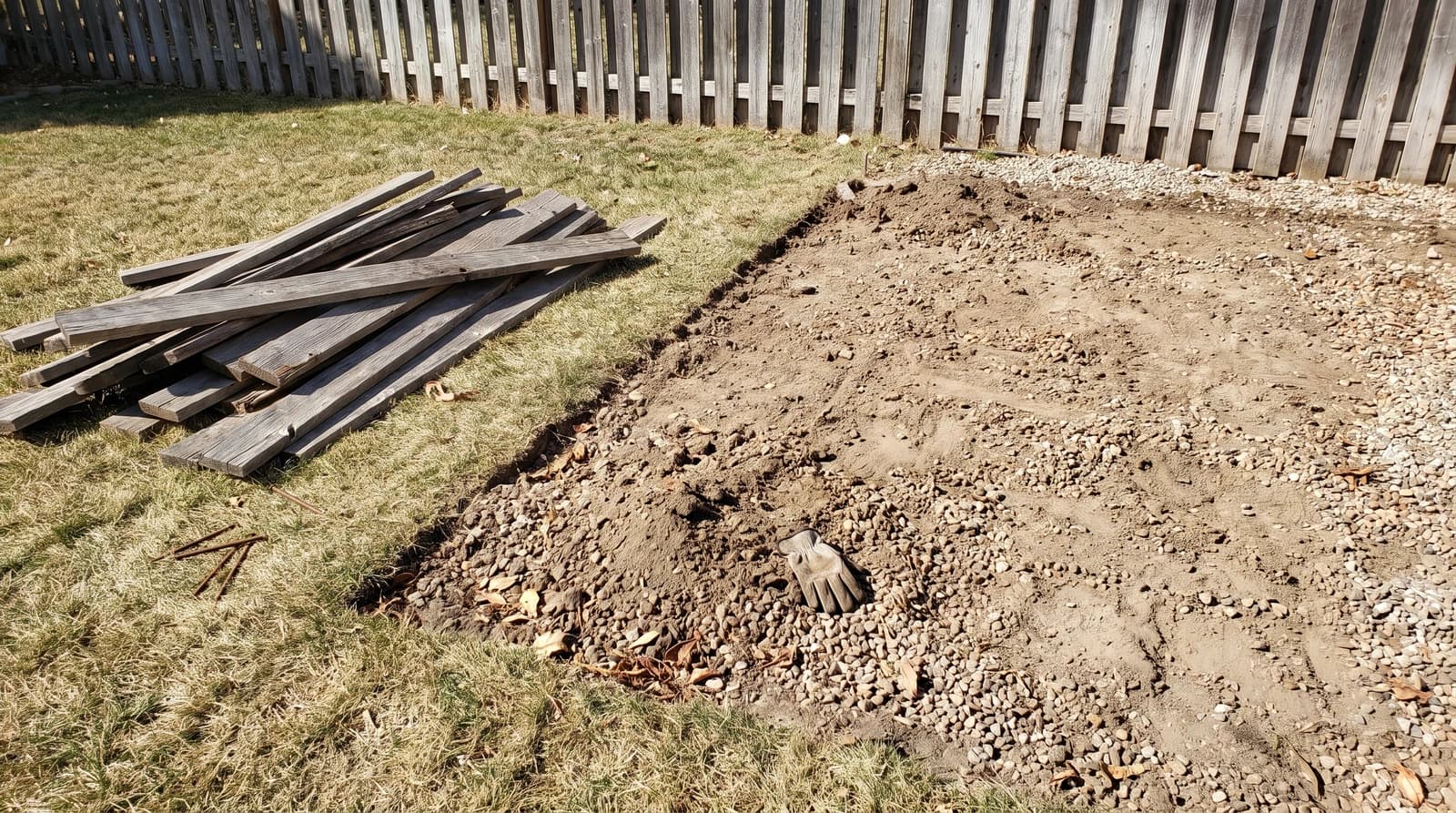
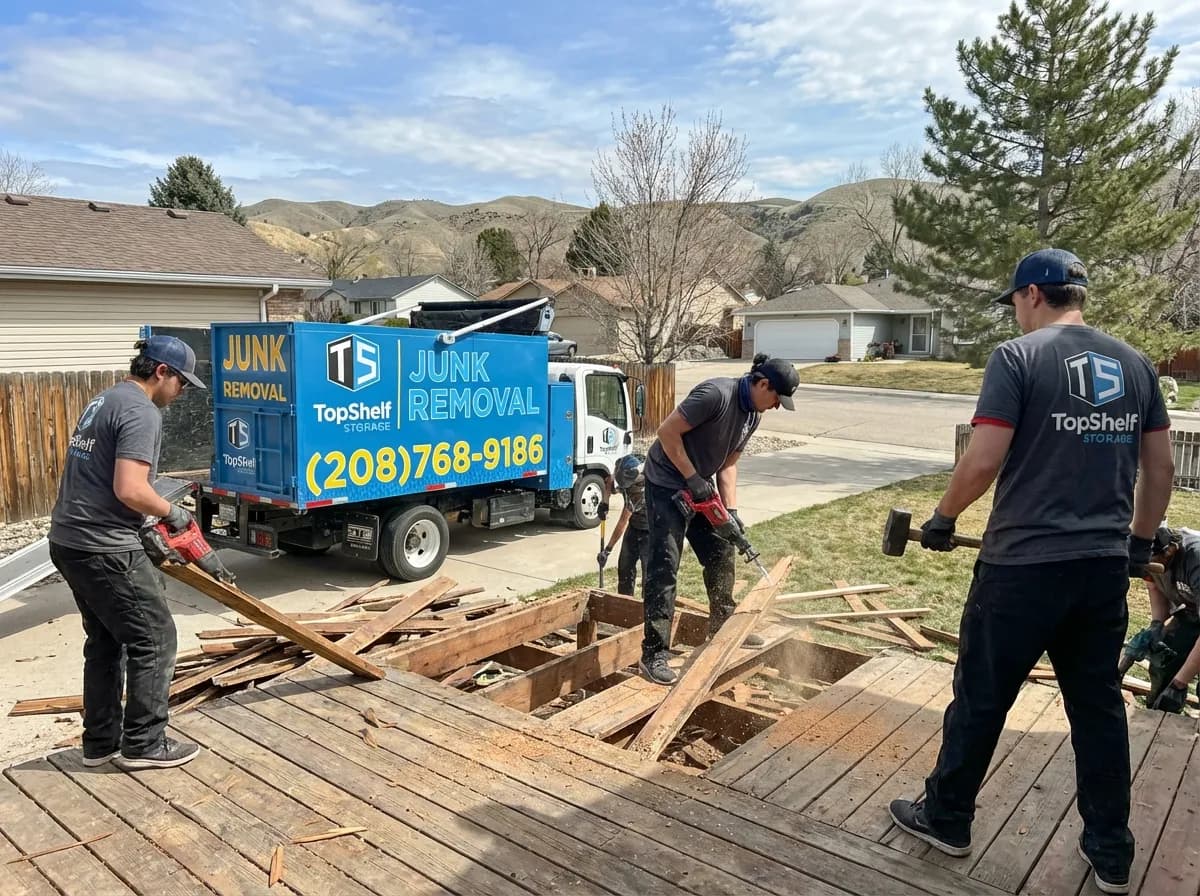
We pulled a 16x20 deck off the back of a house near the Garden City greenbelt last April. The homeowner had been there nine years and told me he'd never once looked underneath it. Most deck removal jobs go about the same way.
Underneath: two inches of pea gravel, a shredded sheet of landscape fabric, four sprinkler heads with two of them crushed, a dryer vent blowing lint into the crawl space, and something like forty tennis balls.
That's normal. The boards come off fast. The ground under them is what you're actually left standing on, and it's the part almost nobody plans for.
What deck removal usually turns up underneath
Most decks around the Treasure Valley sit on one of three things.
Bare dirt that's been shaded so long nothing grows in it. Gravel over weed fabric, which was the standard build for about twenty years. Or concrete, usually a chunk of old patio the builder never bothered to break out, and we see that a lot on newer places in Meridian and Kuna.
The gravel ones are the worst to deal with. That fabric turns into black plastic confetti after ten or fifteen years and it's woven right into the rock. You can't rake it out. Either you live with it, or somebody scrapes off the top few inches and hauls it away.
Dirt is the easy one. It's compacted and dead, sure, but it's still dirt. Rototill it, spread a couple inches of topsoil, and you'll have grass by next season.
Grade and water, which matter more than the dirt
Here's what I'd actually worry about if it were my house.
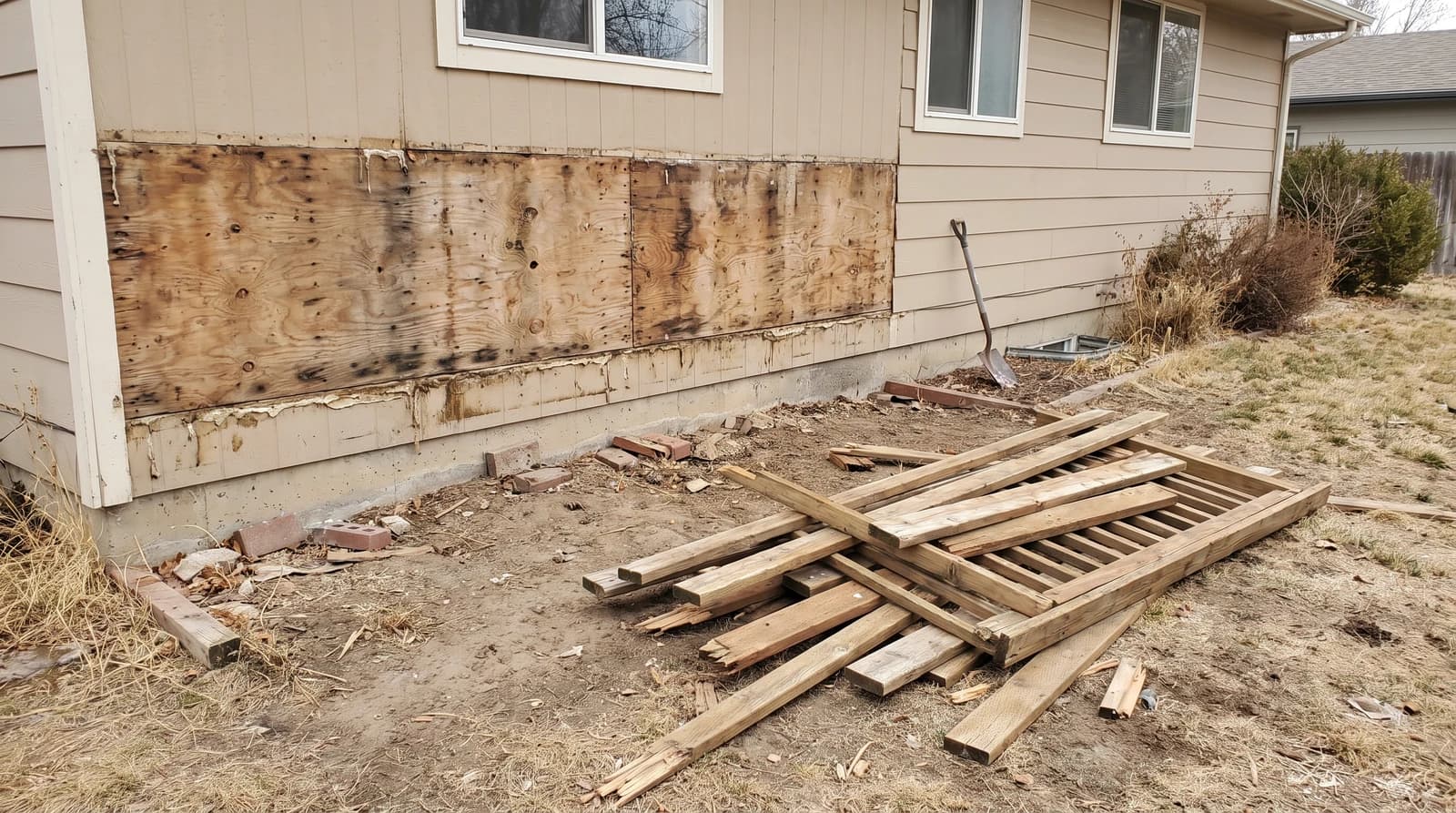
Decks hide grading problems. If the ground under yours slopes toward the foundation instead of away from it, water's been running at your house for years and the deck kept you from ever seeing it.
Pull the deck and that same ground now catches roof runoff and every February snowmelt.
So once it's down, back up and look at the slope. You want the ground dropping away from the house about six inches over the first ten feet. If it's flat or tipping the wrong direction, fix that before any grass or rock goes down. A few yards of fill dirt is cheap next to a wet crawl space.
What we check before a deck removal starts
When we walk a job, we're barely looking at the deck. We're looking at what got tucked underneath it and up against the house.
- ✓Sprinkler heads and shallow poly line, usually within three feet of the deck edge
- ✓Dryer vents and furnace exhaust that got boxed in when the deck went up
- ✓Hose bibs, gas line running out to a grill or fire pit, low-voltage lighting wire
- ✓Crawl space access the deck was framed right over
- ✓Animals denning under the skirting, skunks and feral cats mostly
That last one is not a joke. Pull a piece of skirting, look, and give it a day if something's living under there. Nobody needs that surprise at eight in the morning.
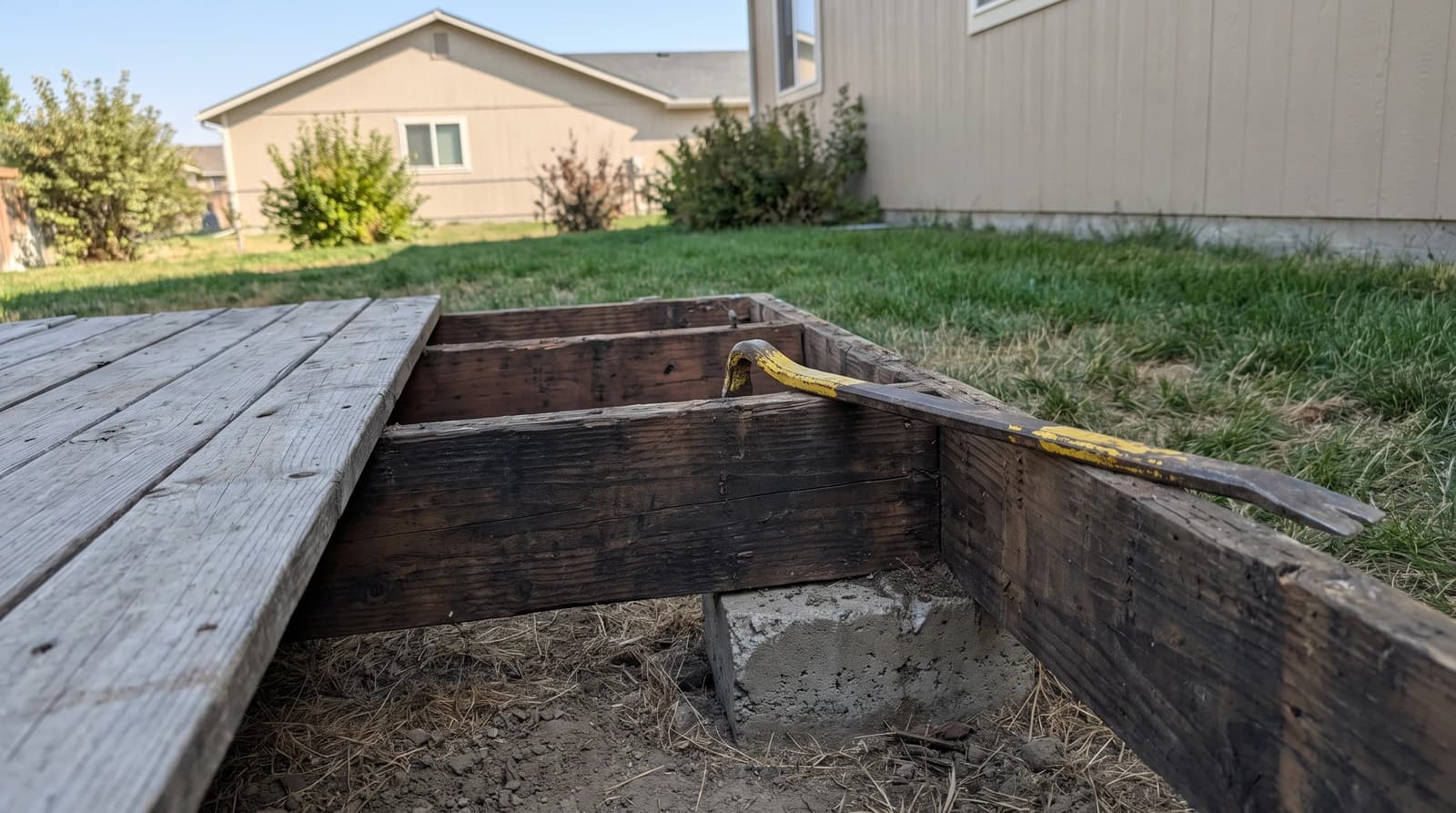
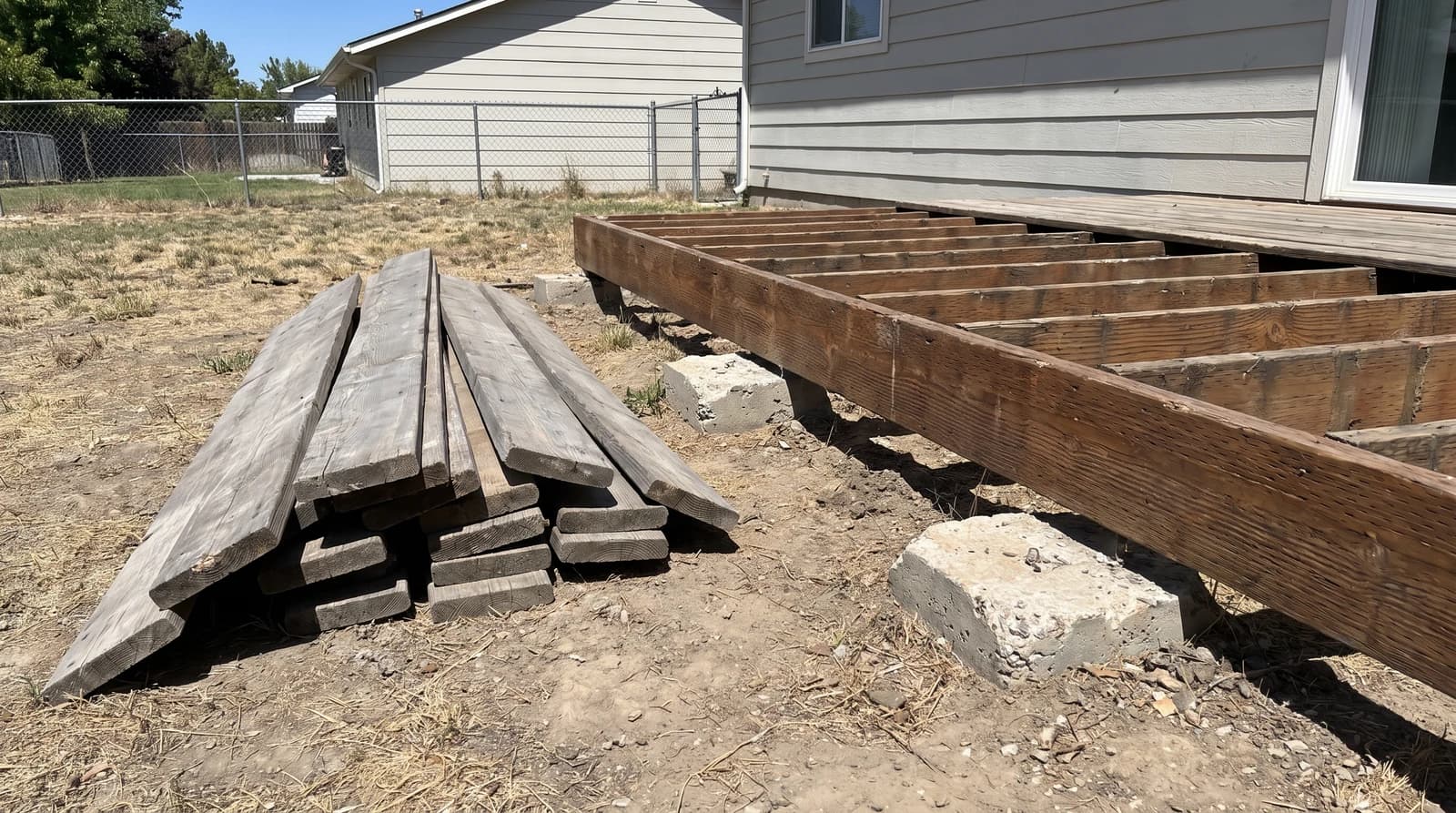
Footings are their own conversation. We wrote a whole piece on whether the concrete footings need to come out too, and the short version is that it depends on what's going in next.
Filling in the bare patch
You've got a rectangle of dead ground. Now what?
Sod is the fast answer and the pricey one. Around here you're looking at roughly $0.60 to $1.00 a square foot installed, so a 300 square foot footprint runs a few hundred bucks and looks finished the same afternoon.
Seed costs less, but you wait on it. September is a great time to seed in Boise, cool nights and a lot less watering. July, don't even try. Our summers cook new seed faster than you can keep water on it.
Plenty of people go with gravel or a paver patio instead, usually because they'd stopped using the deck years ago anyway. A ground-level patio doesn't rot, doesn't need staining every third summer, and in most cases doesn't need a permit.
One thing that catches people: soil under an old deck is basically dead. No organic matter, packed hard from years with no rain and no roots. Work two or three inches of compost into it before you plant anything, or you'll be chasing bare spots for two seasons.
If the boards are still solid, some folks build a raised bed or a fire pit surround out of them. We went through whether old deck boards are worth reusing if you're wondering what's actually salvageable. Most pressure-treated lumber isn't. Cedar sometimes is.
Bottom line
The deck's gone in a day. That ground is what you'll be looking at for the next ten years, so give an hour to grade, sprinklers, and what's going back in that spot before anybody starts prying boards.
We do deck removal in Boise, Meridian, Nampa, and the rest of the valley, and everything goes to the Ada County landfill or Western Recycling depending on what it is. Want a straight number on what yours would cost to pull? Give us a call at (208) 593-2877 and we'll take a look under there while we're at it.
Need Help With Deck Removal?
Top Shelf serves Boise and the Treasure Valley with professional junk removal, cleanouts, and demolition services.