
Deck Removal in Boise: What to Do With Pressure-Treated Wood
Removing an old deck in Boise? Here's why you can't burn pressure-treated wood, where it can legally go in the Treasure Valley, and how to handle it safely.
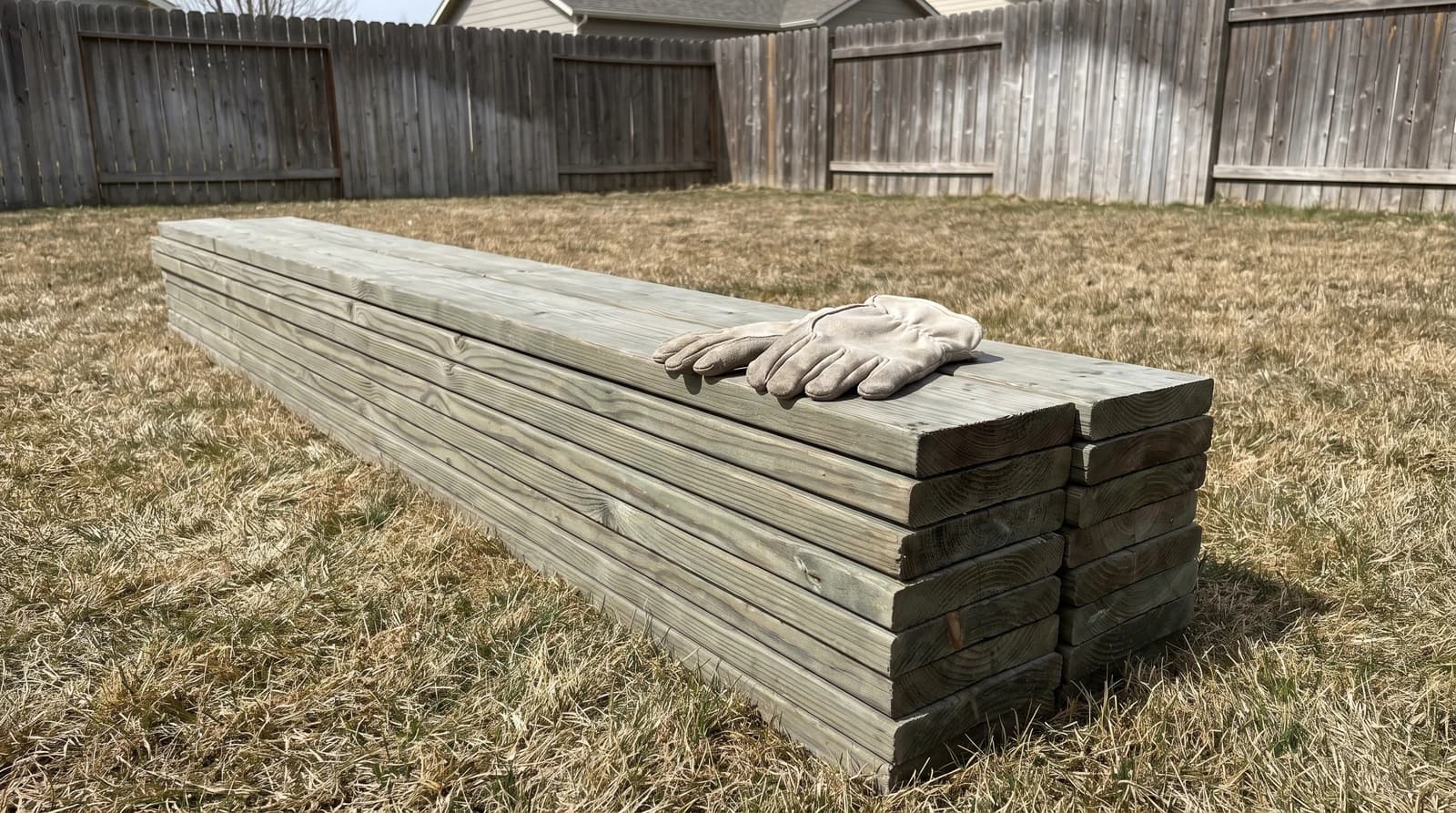
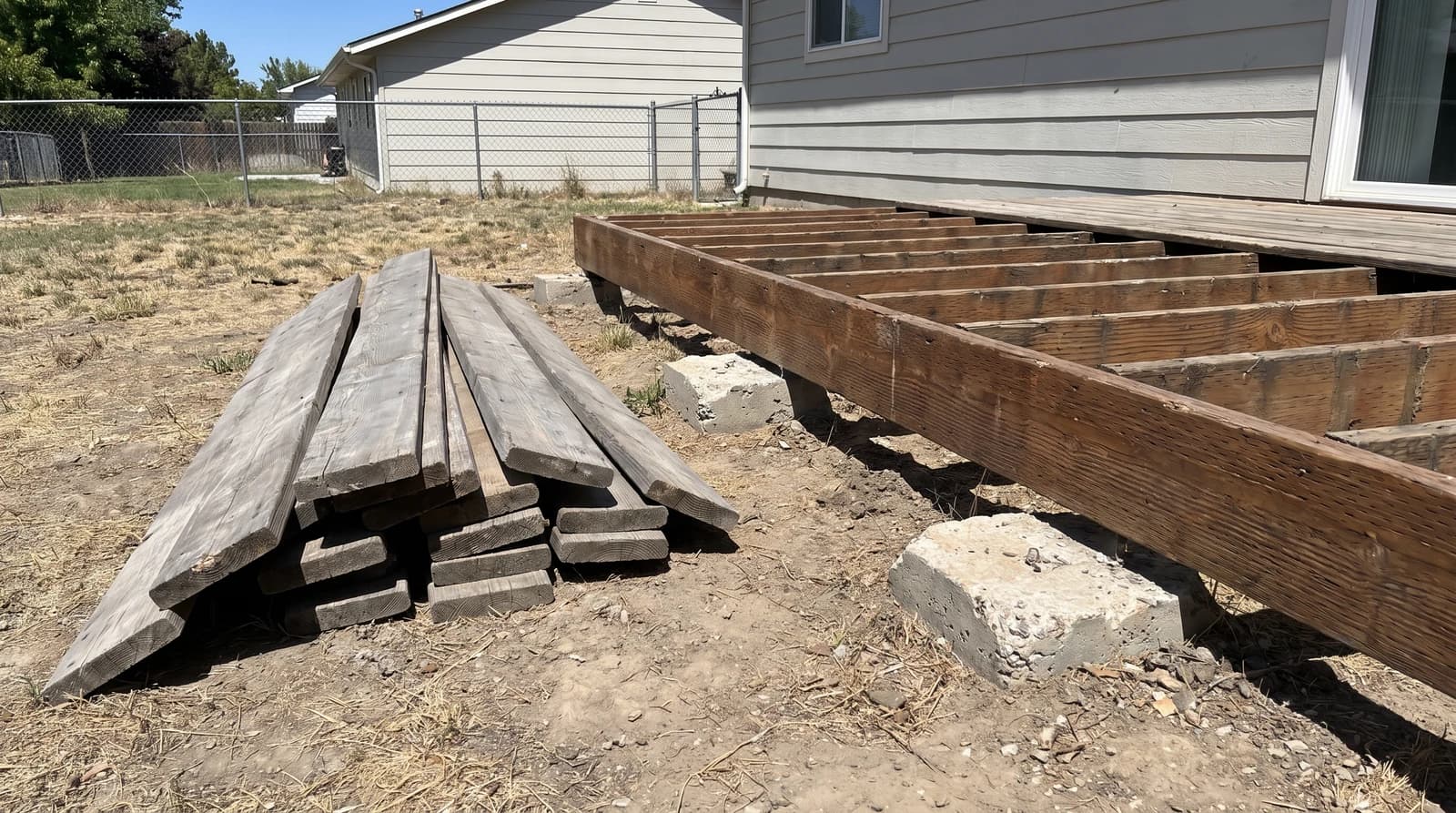
A few weeks ago we showed up for a deck removal in Boise, over on the west side, and the homeowner had already stacked a neat pile of old boards next to their fire pit. They'd pried a few loose ones up themselves and figured they'd have firewood for the fall.
We talked them out of it. Nicely.
That pile is really what this post is about. When you're getting ready to tear out a deck, the demo gets all the attention. But you're also about to end up with a lot of pressure-treated lumber, and that wood comes with rules that regular scrap wood doesn't.
Why Pressure-Treated Wood Is Different
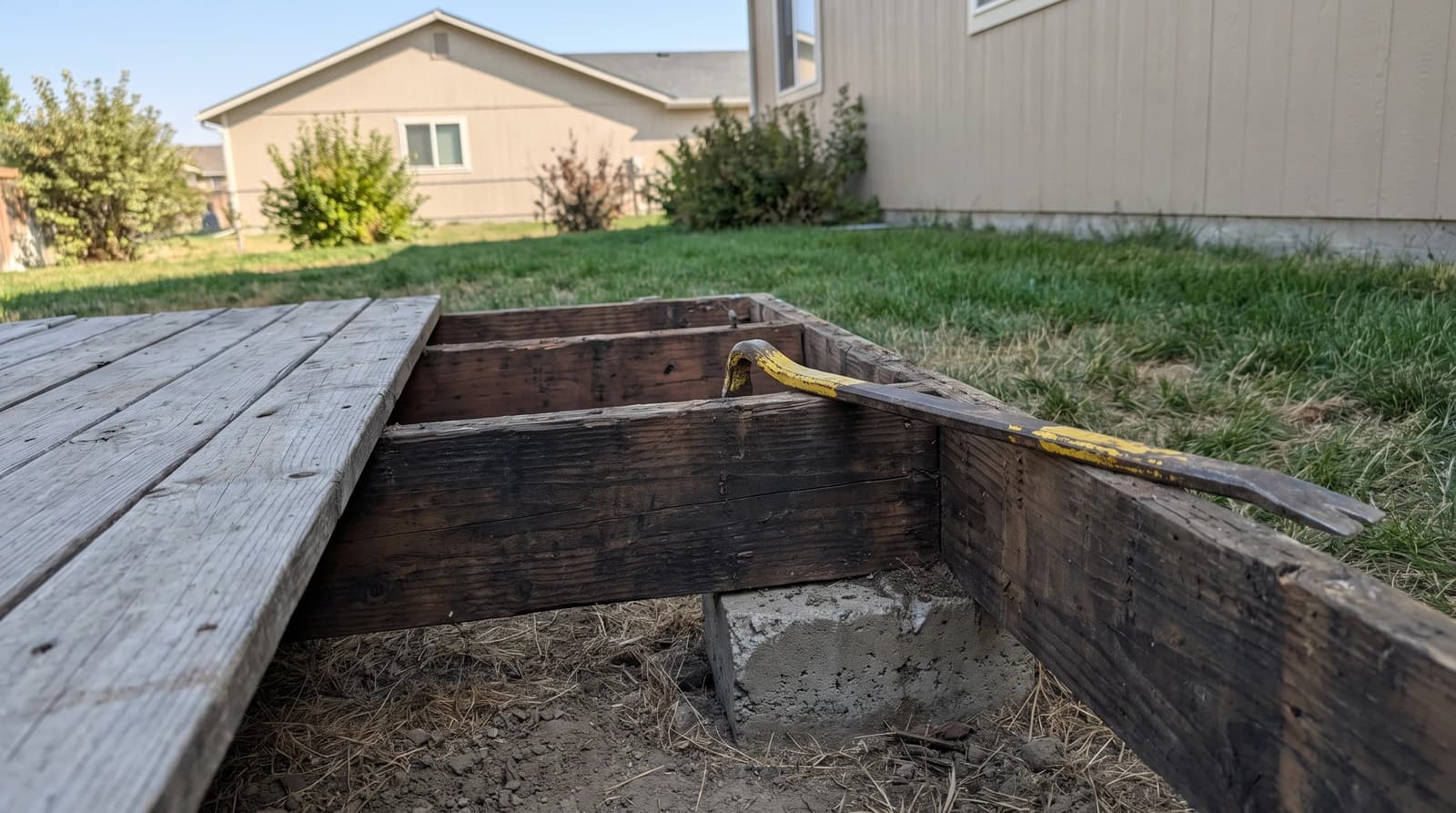
Pretty much every deck in the Treasure Valley sits on a pressure-treated frame. That's the posts, beams and joists for sure, and on older decks it's usually the boards you walk on too.
That lumber was soaked in chemical preservatives so it wouldn't rot or get eaten by bugs. Great for a deck. Not so great once it's a pile of scrap in your yard.
Here's the part that surprises people. Decks built before about 2004 were usually treated with CCA, short for chromated copper arsenate. Yes, that's arsenic.
Manufacturers stopped selling CCA lumber for residential use at the end of 2003 and switched to copper-based treatments that are less toxic. So if your deck went up in the '80s or '90s and nobody's rebuilt it since, there's a good chance that's what you've got.
Not sure? Here's what we look for:
- A faint green or olive tint, even under years of gray weathering
- Rows of little slits pressed into the faces of the boards
- A plastic or metal tag stapled to the end of a board, if it hasn't fallen off
- The age of the deck, which honestly tells you the most
Newer treated lumber isn't as nasty. You still don't want to burn it or let it break down in your garden.
Where Old Deck Boards Can and Can't Go in Boise
Can you burn old deck boards? No, and it's the question we get asked most.
Idaho's open burning rules don't allow treated wood, and a backyard fire pit doesn't get a pass. On top of that, burning CCA lumber sends arsenic into the smoke and leaves it concentrated in the ash, which usually gets dumped in a flower bed.
Here's how the usual options shake out:
| Option | OK for treated wood? | Why |
|---|---|---|
| Fire pit or burn barrel | No | Not allowed, and the chemicals end up in the smoke and ash |
| Compost cart | No | Treated lumber can't be composted |
| Chipping it for mulch | No | Puts the preservatives right into your soil |
| Raised garden beds | Not a good idea | Especially old CCA wood around anything you'll eat |
| Landfill | Yes | Takes it as construction and demolition waste |
For most folks in Boise, Meridian, Eagle and Kuna, that means a trip out to the Ada County landfill on Seaman Gulch Road. If you're in Nampa or Caldwell, Pickles Butte landfill takes it on the Canyon County side.
Not everything has to go to the dump, though. Metal railings, joist hangers and the coffee can of screws you'll end up with can go to Western Recycling as scrap metal.
Got patio furniture or planters still in decent shape? Idaho Youth Ranch will usually take those. They won't take lumber.
What about giving the boards away? If they're newer and still solid, sometimes, and we covered that in a separate post on whether you can reuse old deck boards. The short version is to tell whoever takes them how old the wood is.
Handling the Wood During a DIY Deck Removal
Moving treated boards around for a weekend isn't going to hurt you. The trouble comes from sawdust, splinters, and eating lunch with your work gloves still on.
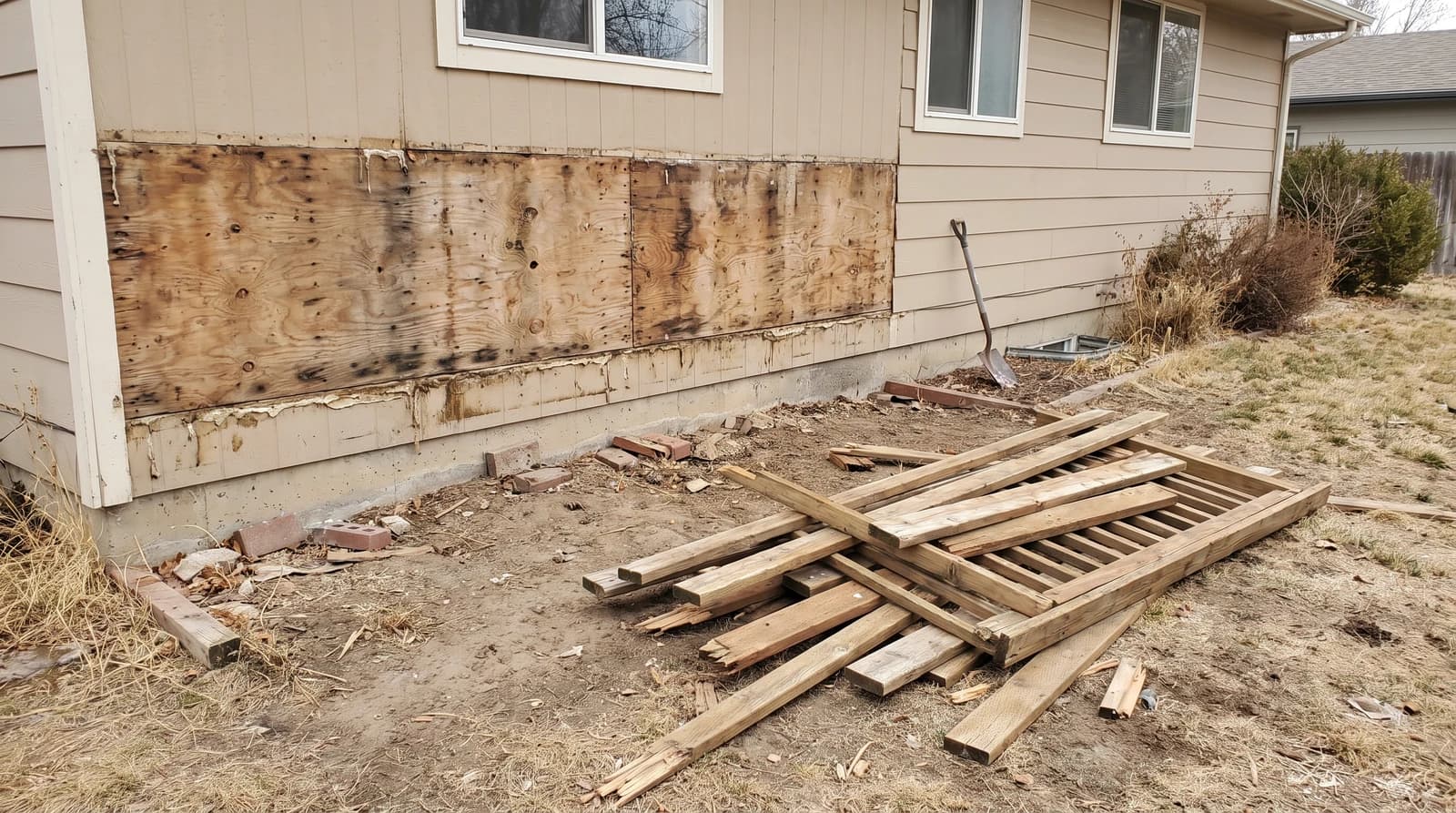
Also, plan on more wood than you think. A plain 12 by 16 ground-level deck usually turns into two or three full pickup loads once the framing comes out, and older decks with doubled joists or built-in benches can be more.
Try not to let the pile sit for weeks, either. The nails point every direction, kids always find it, and the grass underneath turns yellow fast in an Idaho summer.
What We Do With It on a Boise Deck Removal
Yes, we'd love the job. But honestly, if you've got a small deck, a truck and a free Saturday, you can probably handle this one yourself. Just make sure the wood ends up at the landfill.
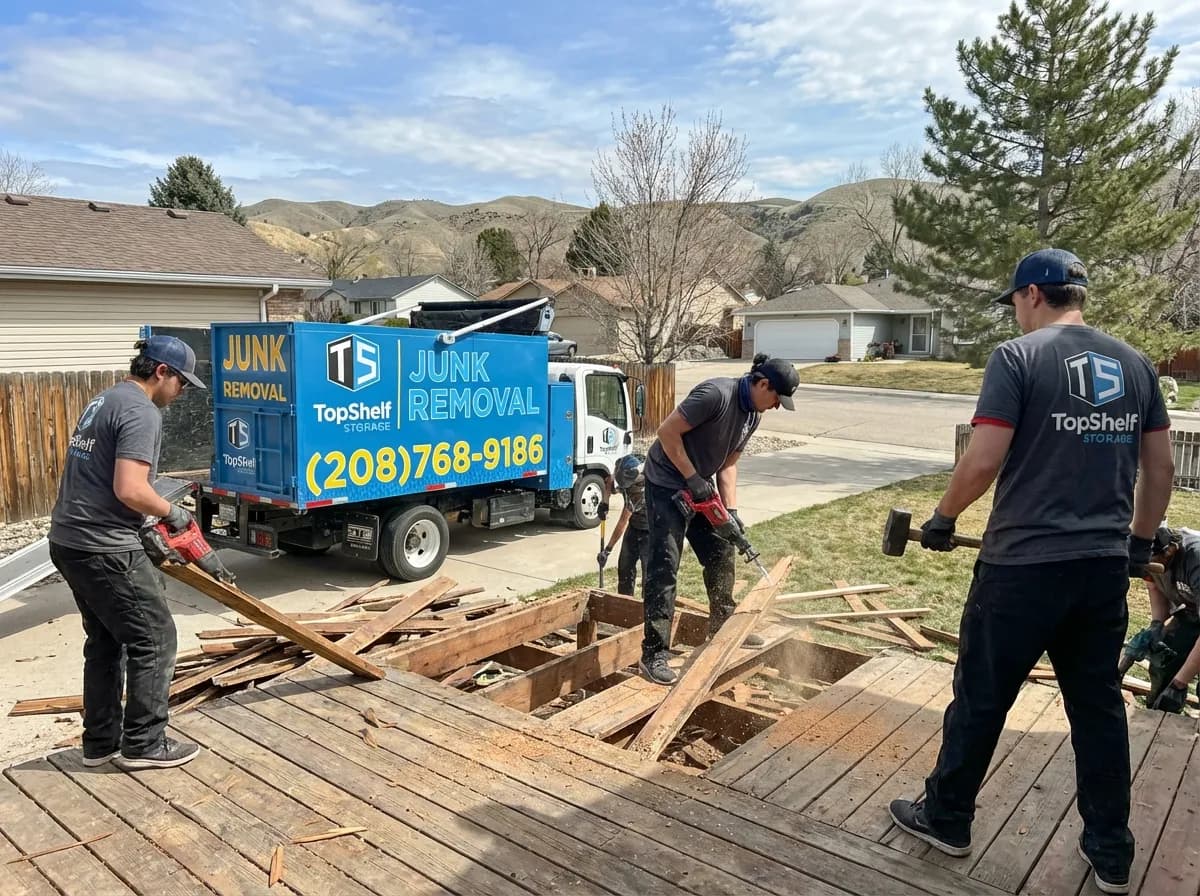
If you'd rather not, here's how it goes when we do it. We break the deck down, pull the metal for recycling, set aside any boards you want to keep, and haul the treated lumber straight to the landfill.
Nothing gets burned, chipped, or left somewhere it shouldn't be. Dump fees are built into the price, so there's no surprise charge afterward.
Most ground-level decks we take out around Boise run somewhere between $700 and $2,500, depending on size, height, and whether it's attached to the house. If you want the yard fully cleared, ask whether the footings come out too. You can see how the rest of the process works on our deck removal service page.
That pile by the fire pit? It went out with the rest of the deck. The whole job took about four hours.
The Bottom Line
Old deck wood isn't firewood, mulch, or garden bed material, especially if the deck went up before 2004. Treat it like construction debris and get it to the landfill.
If you'd rather have someone else do the tear-out and the hauling, give us a call at (208) 593-2877. We'll come take a look and give you a straight price, no pressure either way.
Need Help With Deck Removal?
Top Shelf serves Boise and the Treasure Valley with professional junk removal, cleanouts, and demolition services.