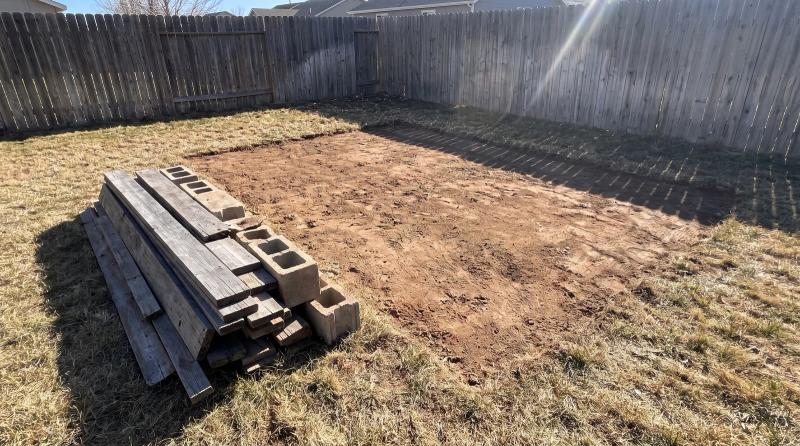

Shed & Outbuilding Tear Down in Boise: Permits and How to Demolish It
By Eric Hinderager, owner of Top Shelf Junk Removal and Demolition · Updated
Planning a shed & outbuilding tear down in Boise? Learn when you need a permit, the tools and steps to take a shed apart, and what moves the cost.
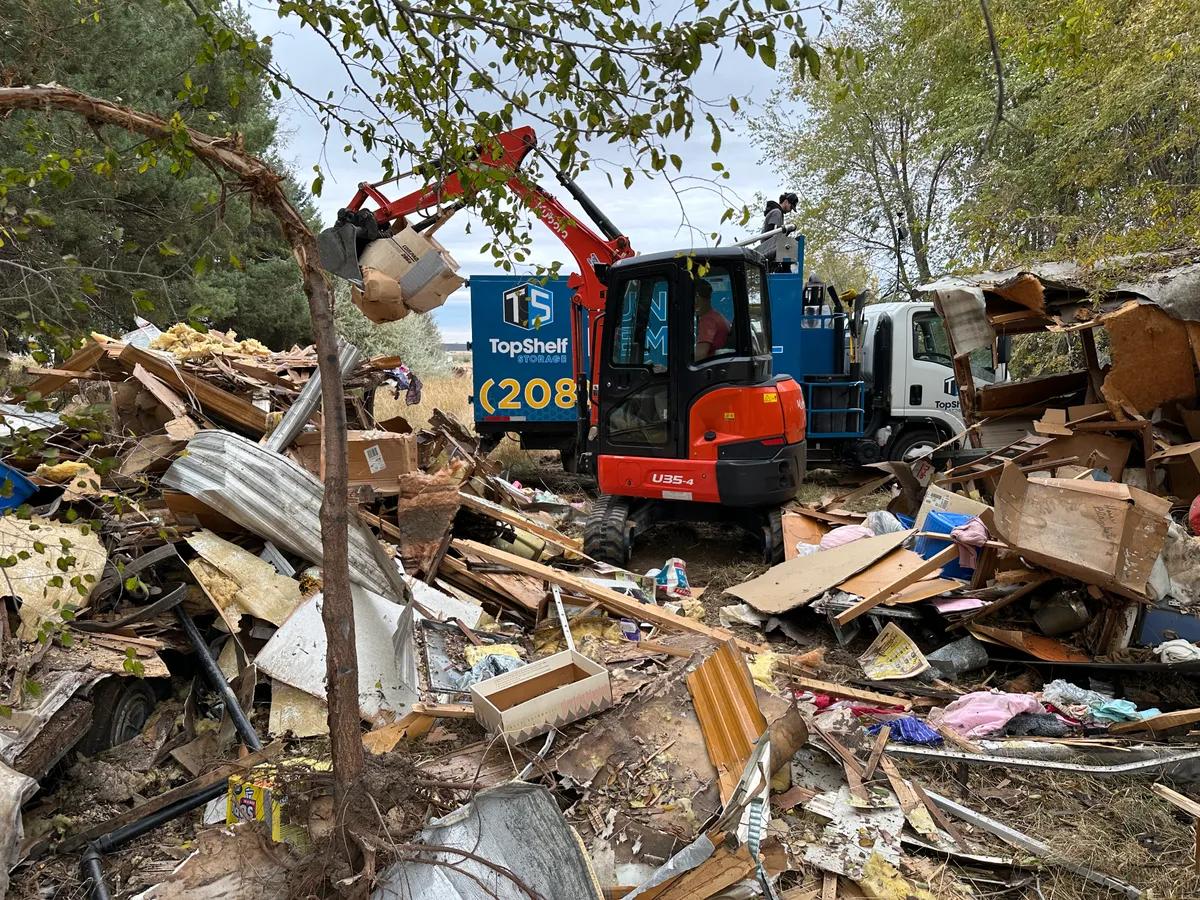
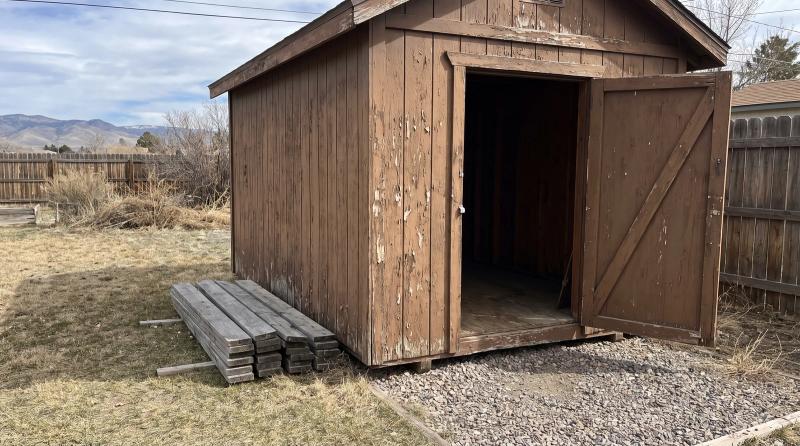
A shed & outbuilding tear down in the Boise area doesn't always need a permit, but size, utilities and location can change that. Most small outdoor sheds come down with hand tools and a simple plan. The harder part is often getting rid of the materials once the shed is on the ground.
Do you need a permit for a shed & outbuilding tear down in Boise?
When a permit usually isn't needed
Many cities treat a small detached accessory structure differently from a garage or a house, and some don't require a permit to demolish one below a set size. That can cover a lot of backyard sheds, small storage buildings, and simple carports. Check the current size limit with your building department.
The City of Boise's building department sets its own limit. A small backyard structure that isn't attached to your house and has no utilities? There's a good chance you won't need a permit, but confirm it first.
When you'll need a permit for shed demolition
Larger structures: Anything over the city's size limit often needs a demolition permit. That includes large workshops, detached garages, and barn-style sheds.
Attached structures: If the shed or carport is attached to your house, you'll likely need a permit. The building department wants to be sure the demolition doesn't harm your home's structure.
Utilities involved: If the shed has wiring, plumbing or gas lines, you'll likely need permits. You may need inspections, too, to safely disconnect services. Have a licensed electrician or the utility shut these off first.
Historic districts: Properties in Boise's historic districts may have extra rules. The Historic Preservation Commission reviews changes to buildings, including demolitions.
How the rules differ by city
Each city in the Treasure Valley has slightly different rules:
- Boise: Check the city's current size limit for accessory structures
- Meridian: Check with the city's building department for its size limit
- Eagle: Check with the city's building department. Some HOAs have extra rules, too.
- Nampa: Check with the city's building department, or Canyon County if you live outside city limits
- Caldwell: Same as Nampa
Demolition rules can change. Call your building department before any work begins. A quick call can save you headaches later.
Good to know: Homeowners in an HOA should read the rules before they tear down any outdoor building. Some HOAs want notice before you remove or replace one.
What is the best way to dismantle a shed?
Take it apart in the reverse order it was built: roof first, then walls, then the floor. That keeps the frame from falling in on you. It also makes the materials easier to sort. Make a quick plan for where each pile goes.
How to prepare the backyard shed
Before any shed demolition starts, empty it out. Move out tools, bikes, paint cans and anything else you want to keep. Fuel, weed killer and other chemicals can't go in a normal trash load. Set them aside for a household hazardous waste drop-off. Check its current hours first.
Next, look at what it's made of. Check the roof, the siding and the floor. Some older sheds have asbestos in roofing or siding panels. If you're not sure, have a sample tested before you break anything.
Last, clear a path from the building to where the materials will go. Trim back plants and move outdoor furniture and grills out of the way.
What tools do I need to tear down a shed?
For a small wood-framed shed, you will likely need:
- A hammer & pry bar for pulling boards and trim
- A drill or impact driver to remove screws
- A reciprocating saw for cutting studs and nails
- A sturdy ladder for the roof
- Gloves, eye protection, a dust mask and solid boots
- A wheelbarrow or tarps for moving pieces
If the shed sits on a concrete slab, you will likely need a jackhammer or a concrete saw as well. Both can be rented. Breaking up a slab is the hardest part of the job. Prepare for a lot of lifting, too.
A step-by-step plan to demolish a shed
- Shut off utilities. Have power, water or gas disconnected and confirmed off. If you'll dig out footings or a slab, call 811 first so buried lines get marked. Those locating services are free.
- Empty it out. Take out everything inside, including shelves and hooks.
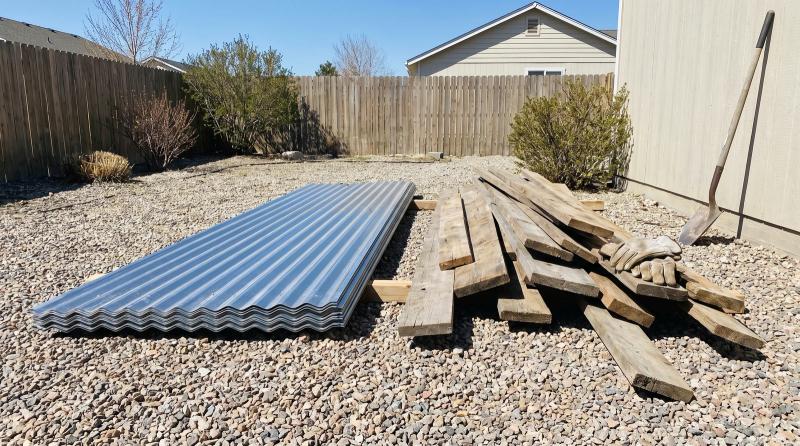
- Take off the roof. Strip shingles or metal panels, then the boards underneath.
- Remove doors and windows. Take glass out whole when you can, so it doesn't shatter.
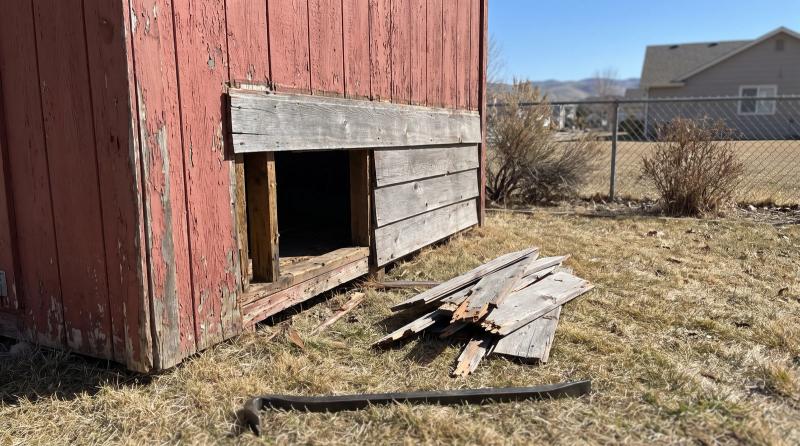
- Strip the outside. Use a hammer & pry bar on wood siding, or remove screws on metal panels.
- Take down the walls. Cut the frame into sections and lower each one. Don't let a full wall fall on its own.
- Remove the floor. Pull up the plywood and floor joists, or break up the slab.
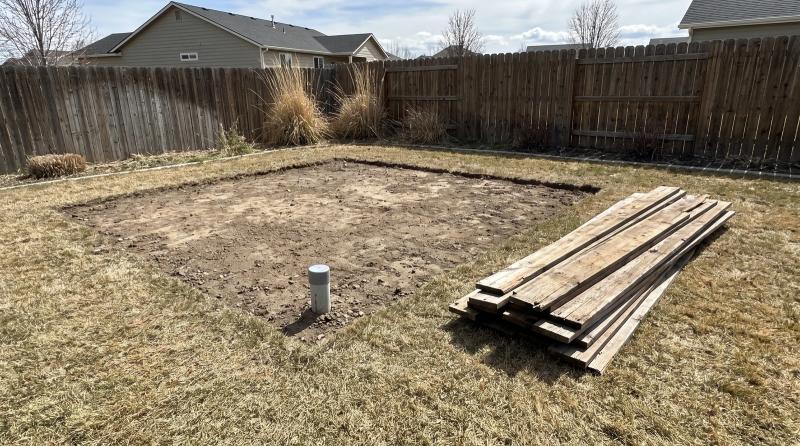
- Haul it off. Sort the materials, load them, and rake the ground for loose nails and screws.
Working in this order keeps the job safer. It also leaves you cleaner piles for disposal.
Sounds simple, but it's physical work. Even a typical wooden shed leaves more heavy debris than most people expect. All of it needs disposal.
Heads up: Pulled boards are full of nails. Pull them or bend them over as you go, and keep kids and pets away from the work area.
How much does it cost to demo a 10x12 shed?
There's no single price, because no two sheds are alike. A 10x12 shed is a common size. But what it's made of and what it sits on matter more than its size.
These are the main things that move the cost of shed removal up or down:
- Materials: Wood, metal and vinyl are handled differently. Heavy materials like concrete or brick weigh more and cost more for disposal.
- The floor: A wood floor on skids comes up quickly. A poured slab takes more labor and tools.
- Access: A shed near the driveway is easy to load. One in the back corner of a fenced lot, past gardens and outdoor furniture, means more carrying.
- Volume: More materials means more truck space or a bigger dumpster.
- Contents: Anything left inside adds to the load.
- Permits and utilities: These add steps before shed demolition can start.
DIY vs. a professional shed removal service
DIY makes sense if:
- The shed is small and simply built
- You have tools and a truck or trailer
- You have the time and physical ability
- No utilities are connected
Professional demolition makes sense if:
- The shed is larger or more complex
- Utilities are involved
- You need it gone quickly
- You don't have disposal options
| Option | What you handle | Good fit for |
|---|---|---|
| Do it all yourself | All the labor, loading and landfill trips | Small, simple sheds when you have a trailer |
| Rent a dumpster | The labor and loading; the rental company hauls the full container | Mid-size jobs when you have time but no trailer |
| Hire demolition services | Pointing out what goes and what stays | Larger outbuildings, slabs, utilities or a tight schedule |
What drives the cost either way:
DIY approach:
- Dumpster rental: depends on container size, how long you keep it, and the weight of what goes in
- Tools and supplies: pry bars, saws, gloves and eye protection if you don't already own them
- Your time: depends on the size, how it's built, and whether there's a slab or floor to break up
- Total: the rental, disposal and supplies, plus the hours you put in
Hiring a professional shed removal service:
- Complete demo and haul-away: priced by how much truck space the load takes up. You get a free on-site estimate and a firm price before any work starts.
- Time: depends on size, access and what's under the shed
- You do: point out what goes and what stays
Quick tip: Steel panels and framing don't have to go to the landfill. A scrap recycler may take them. That shrinks the load for shed removal.
Frequently asked questions
What can I do with my old shed?
If it's still solid, you can sell it, give it away, or have it moved. If it's rotting or leaning, shed removal is usually the safer call. Good lumber can go to a reuse store.
Does metal come apart differently than wood?
Yes. A metal shed is mostly thin panels held by screws. It comes apart with a drill more than a saw. The edges are sharp, so wear cut-resistant gloves.
Can a new one go in the same spot, and who handles delivery and set-up?
Usually, yes, once the old outdoor building is gone and the ground is level. Ask the seller who handles delivery and set-up, and have the spot cleared before that day.
Should I test for asbestos first?
If the building is older and has old roofing or floor tiles, it's a good idea. Testing before the work starts is much easier than dealing with it later.
Need help with outbuilding removal projects?
Related reading: Concrete Slab Demolition: Can You DIY It, or Should You Hand It Off? and Chicken Coop Removal in Boise: Dust, Wire and Old Posts.
Top Shelf Junk Removal and Demolition handles shed demolition and outbuilding removal projects across Boise, Meridian, Eagle, Nampa and the rest of the Treasure Valley. We demolish sheds and file the permit application when one is needed. We also take care of the demolition hauling, debris removal and cleanup. We're a licensed and insured contractor, and the estimate is free. Call (208) 593-2877 to set one up.
Need Help With Shed Demolition?
Top Shelf serves Boise and the Treasure Valley with professional junk removal, cleanouts, and demolition services.