
Shed Demolition in Boise: Animals Under the Shed and What to Do
By Eric Hinderager, owner of Top Shelf Junk Removal and Demolition · Updated
Shed demolition with animals under the shed in Boise: how to spot skunks, rock chucks, wasps and black widows, when to wait, and how to plan safe removal.
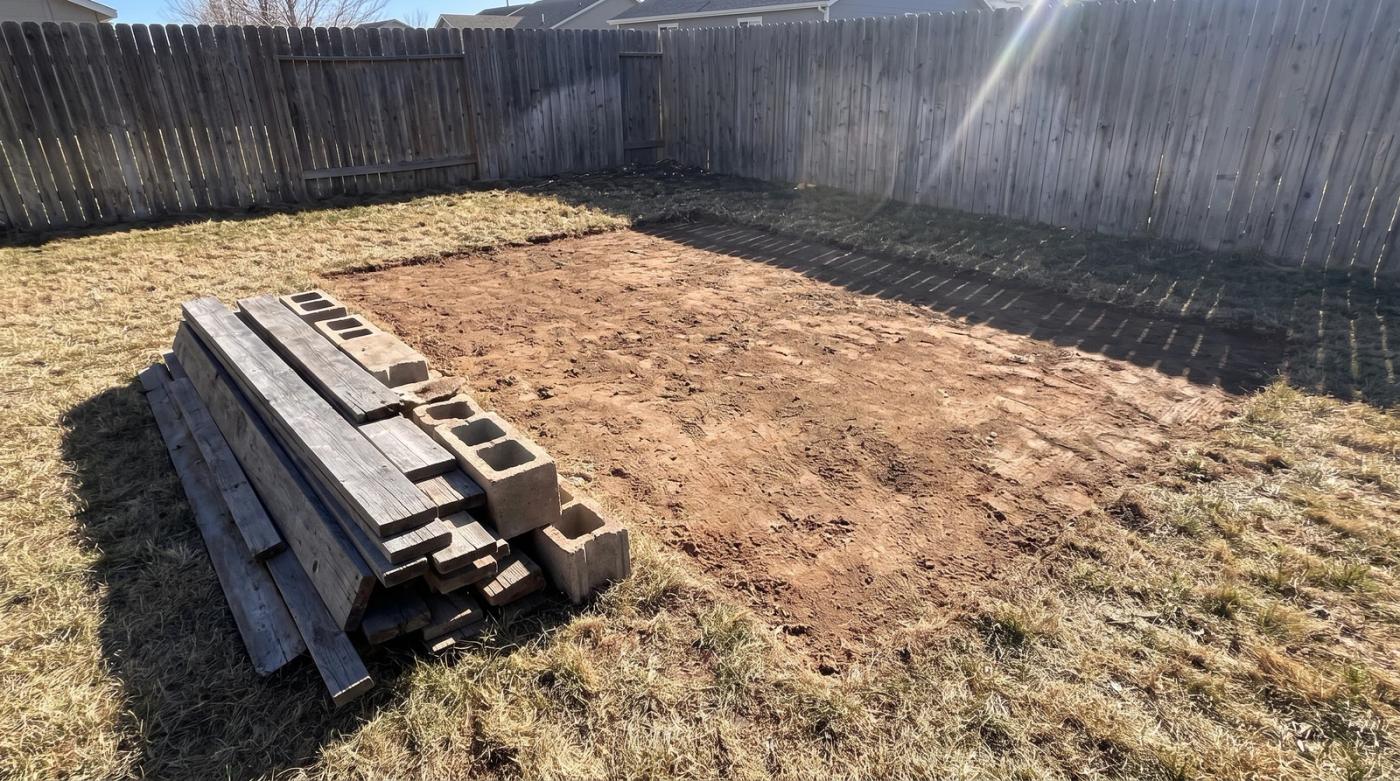
Shed demolition with animals under the shed in Boise comes down to three things: knowing who's living under there, checking before demo day, and timing the tear-down so nothing gets trapped or cornered. Old sheds sit a few inches off the ground on skids or blocks, and that gap is dark, dry and protected.
Animals love it.
Checking for animals and planning their removal are crucial steps before anyone pulls up a floor panel. Here's what tends to live under sheds around the Treasure Valley, how to tell if something's home, and what to do about it.
What animals live under old sheds in Boise?
The same handful of animals turns up under sheds again and again. Here's the usual cast, plus what to look for:
| What's under there | Signs to look for | What to do |
|---|---|---|
| Skunks | Smell, a dug-out hole along one edge, fresh dirt | Wait for them to leave, or call a wildlife control company about humane trapping. Don't corner one. |
| Rock chucks (marmots) | Big burrow openings, packed dirt trails, one sunning on a rock nearby | Common near canals and the foothills. They hibernate from late summer through winter. |
| Mice and rats | Droppings, chewed wood, shredded nesting material | They usually scatter once work starts. Wear gloves and a mask. |
| Black widows | Messy, tangled webs in corners and along the floor edge | Gloves and long sleeves. They're very common under old sheds. |
| Yellow jackets | Steady traffic in and out of one gap, usually late summer | Deal with the nest first. Don't swing a hammer near it. |
Snakes come up too, mostly harmless gopher snakes. If you live out toward the foothills or the rural edges of Kuna and south Nampa, keep an eye out for rattlesnakes. They show up under sheds and woodpiles more than people expect.
How do you check for animals under a shed before shed demolition in Boise?
You don't need to crawl under anything. Please don't, honestly.
Walk around the base of the shed and look low. Fresh dirt piled next to a hole is the big giveaway. So is a hole with smooth, packed edges, because that means something uses it every day.
A few other quick checks:
- Sniff test. A skunk den under a shed has a smell you'll notice before you see anything.
- Watch at dusk. Skunks and raccoons get active in the evening. Sit on the patio for a little while and see who comes out.
- The newspaper trick. Loosely stuff a hole with crumpled paper, or cover it with a light layer of dirt. If it's pushed out or disturbed the next morning, something's still going in and out.
Heads up: If you find a skunk den in May or June, there are probably babies in it. Blocking the hole then traps the kits inside, and you'll have a much worse smell problem a week later. Wait until the young ones are out and moving around, usually by midsummer, or have a wildlife pro handle it.
Quick tip: If you're already emptying the shed, that's a good time to look. A lot of people spot the signs while they're hauling out old paint cans and lawn chairs.
When should you wait, and when is the best season?
Most of the time, you just go ahead. Mice, spiders and the occasional gopher snake aren't a reason to delay anything, and they clear out once the walls start coming down.
The ones that change the plan are skunks with babies, an active yellow jacket nest, and rock chucks that have dug in deep. Why does timing matter so much? Because animals don't care about your schedule.
A skunk you give some time to move out will usually leave on its own. A skunk you surprise on a Tuesday morning with a pry bar will not leave quietly.
For yellow jackets, nest treatment and removal are crucial steps that come before anyone touches the shed. Late August and September is peak season here, and the colonies get big by then. Some folks treat the nest themselves at night when the wasps are all inside, and others call a pest company.
Rock chucks are the tricky ones in Boise. They're all over the neighborhoods near the Boise River, the canals and the foothills. The upside is they go into hibernation early, often by late July or August, so you can take the shed down and fill in the burrows before they wake up in spring.
Good to know: If you've got some flexibility, fall is the sweet spot for tearing down a shed with a critter history. The skunk babies are grown and gone, the rock chucks are asleep, and snakes slow way down as it cools off.
Spring is the worst time to surprise anyone living under there, since that's nesting and denning season for just about everything. Winter works too, as long as the ground isn't a frozen mess. How long the tear-down takes depends on the shed's size, what the floor and foundation are made of, and how easy it is to get to, not on the season.
What happens on demolition day?
The crew walks the perimeter first and looks for everything above. If it looks like something's actively living there, you'll hear it straight up, and the plan gets worked out with you. Sometimes that means pushing the job back until the animals have moved on.
Getting it done that day is the goal. But not if it means trapping baby skunks under a floor or stirring up a wasp nest while your kids are playing in the yard.
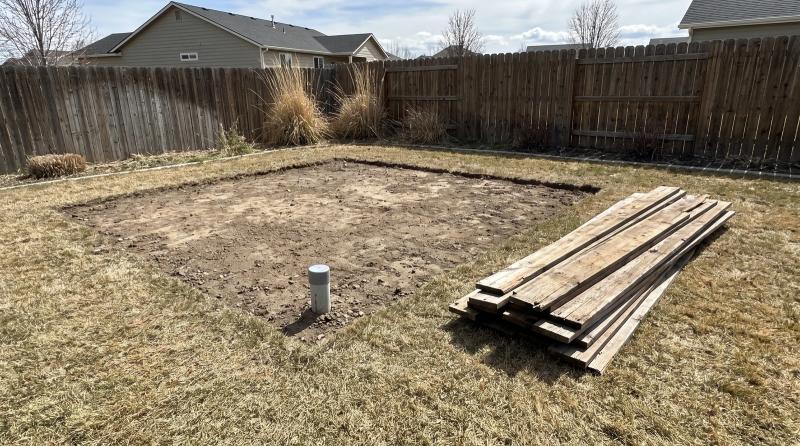
Once the floor comes up, the nesting material, droppings and junk that's collected under there get raked out. Scrap metal and anything else that can be recycled gets recycled, and the rest goes to the landfill. You're left with bare dirt or a slab, plus a heads-up on any burrow holes you should fill.
Assume something lives under your old shed, because something usually does. If you want a second set of eyes on it, Top Shelf Junk Removal and Demolition handles shed tear-downs across Boise, Meridian, Nampa and the rest of the Treasure Valley. Call (208) 593-2877 for a free estimate, and you'll get an honest answer on whether it's a go or a wait-a-few-weeks.
Frequently asked questions
Can I trap a skunk under my shed myself?
Humane trapping is an option, but rules on trapping and moving wildlife vary, and a cornered skunk will spray. A wildlife control company is the safer call, especially if there might be babies.
Do mice or spiders mean I should delay the demolition?
No. Mice, black widows and gopher snakes usually clear out once the walls come down. Wear gloves, long sleeves and a mask, and go ahead.
What should I do with burrow holes after the shed is gone?
Related reading: Concrete Slab Demolition: Can You DIY It, or Should You Hand It Off? and Chicken Coop Removal in Boise: Dust, Wire and Old Posts.
Fill them in and pack the dirt down. Open holes invite the next animal to move right back in.
Need Help With Shed Demolition?
Top Shelf serves Boise and the Treasure Valley with professional junk removal, cleanouts, and demolition services.