
Lead Abatement in Kuna: What to Know Before You Demolish Old Paint
By Eric Hinderager, owner of Top Shelf Junk Removal and Demolition · Updated
Lead abatement in Kuna: how to tell if an older home has lead paint, what the rules require, how testing works, and what moves the cost of a safe teardown.
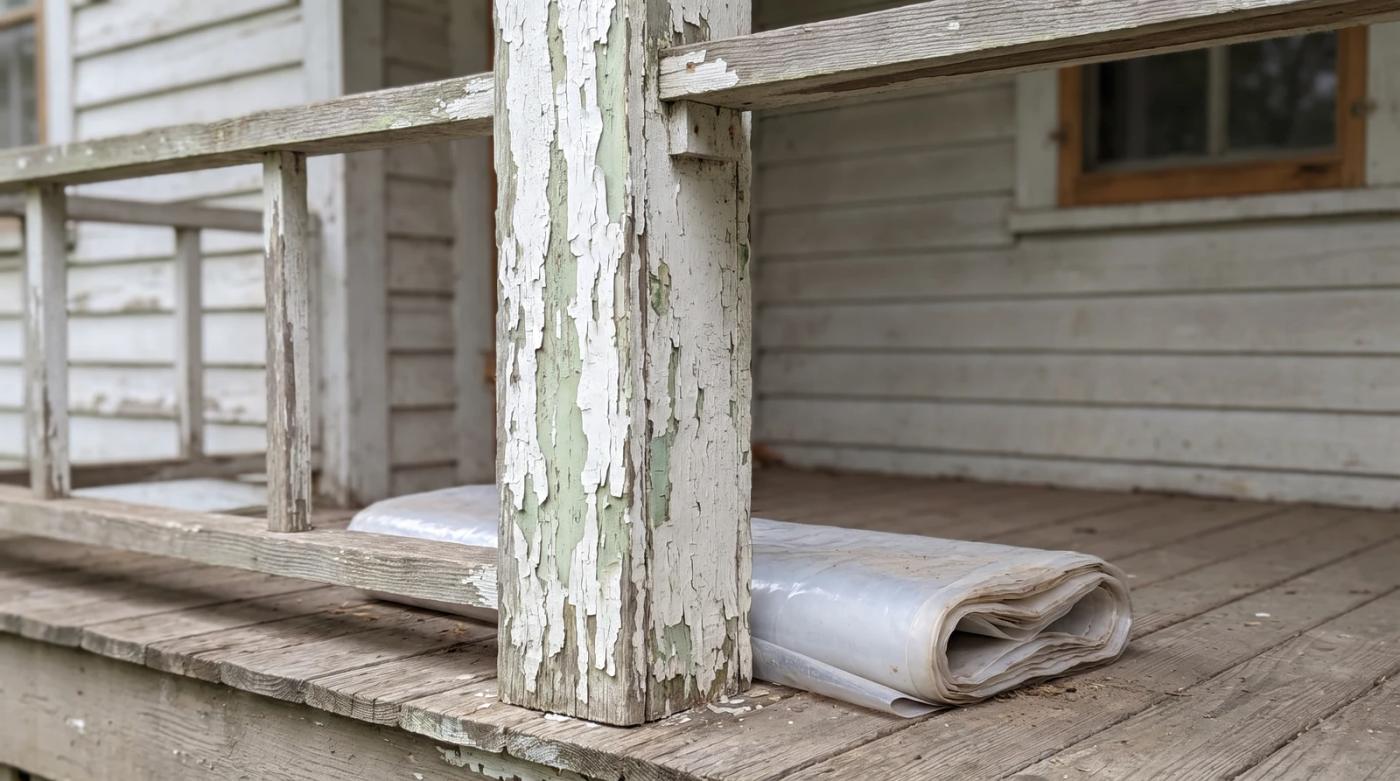
Lead abatement in Kuna starts with one question: was the building put up before 1978? If it was, some of the paint may have lead in it. Tearing it apart carelessly spreads lead dust where people live. The fix is simple: test first, then choose between lead-safe demolition and full abatement.
It's a lot easier to find out before the sledgehammer comes out than after.
Why the build year matters for lead abatement in Kuna
Lead paint was banned for home use in the United States in 1978. That's the line the federal rules use, so it's the first thing to check.
Homes built before 1978 are where most potential lead hazards show up. If your home, garage, shed or shop went up before then, there's a real chance at least one coat has lead in it.
Plenty of Treasure Valley buildings fall on that side of the line. Think older farmhouses and outbuildings around Kuna and Star, Boise's North End and East End, and older parts of Nampa and Caldwell. Newer subdivisions in Meridian or Harris Ranch mostly won't have this issue.
Lead paint sitting quietly on a wall isn't the big problem. The trouble starts when you break it apart. Demolition turns paint into chips and dust, and that dust ends up in lungs, carpet, garden soil and kids' hands. Once it's in the soil, it becomes an environmental problem that sticks around.
Lead poisoning is mostly a problem of exposure over time. Children are hit hardest, because they put their hands in their mouths and their bodies are still growing. Adults aren't immune either.
Health agencies say no amount of lead is known to be safe for children. The evidence ties lead exposure to learning and behavior problems. Lead poisoning often shows no clear signs at first, so testing matters.
Public health research also shows clear disparities. Kids in older, rundown housing tend to have higher lead levels, and those disparities often follow income. That's why public health agencies have long run lead poisoning prevention programs aimed at older housing.
Finding and removing the lead source stops further exposure, which can improve physical health, and research has also linked lead exposure to mental health outcomes.
What the rules and laws say about demolition
The EPA has a rule called the Renovation, Repair and Painting Rule, or RRP for short. It covers paid work that disturbs painted surfaces in homes and child-occupied buildings built before 1978.
It kicks in once you disturb more than 6 square feet of paint in a room, or more than 20 square feet outside. Demolition gets past those amounts fast. Pulling out a wall, tearing off a porch or stripping siding all count.
When the rule applies, a certified firm has to do the work with lead-safe methods. That means plastic sheeting, containment, careful cleanup, and keeping dust out of the rest of the house and the neighbor's yard.
RRP isn't the same as lead abatement. Abatement means ending the hazard for good, and it falls under separate federal regulations with its own certified workers. Here's how the options compare:
| Option | What it does | When it fits |
|---|---|---|
| Lead-safe demolition | Takes a structure, or part of one, down with containment and wet cleaning | Teardowns and remodels on pre-1978 buildings |
| Lead-based paint stabilization | Scrapes loose spots and recoats them | Intact surfaces you're keeping for now |
| Full abatement | Removes, encloses or seals the hazard for good | A kid's high test result, a health order, or a permanent fix |
Doing it yourself? RRP is written for people who get paid to do the work. A homeowner working on their own house isn't covered by it in the same way. The dust isn't any safer, though. The responsibility just lands on you.
Rentals and sales add another layer. Federal laws require sellers and landlords of pre-1978 housing to disclose known lead hazards and hand over an EPA pamphlet. Skipping that can land them in court. State and local laws can add more on top of the federal regulations.
Permit rules for tearing down a whole building aren't the same in Kuna, Boise, Meridian, Nampa or unincorporated Ada and Canyon County. If an entire structure is coming down, call the permit office for that address before you start.
Heads up: Test before you tear anything out, not halfway through. Once a wall is in pieces on the floor, it's too late to contain the dust. Hardware stores sell EPA-recognized lead test kits. A certified inspector or risk assessor can give you a firmer answer if the kit results are unclear.
Lead testing before demolition starts
Start with the age of the building. Kuna sits in Ada County, and the county assessor's records usually list the year built. Detached garages and sheds aren't always the same age as the home, so check them separately.
Then look at the paint. Lots of coats, chalky or cracked finishes, and old trim around windows and doors are the usual suspects.
If it's pre-1978 and you're not sure, test it or treat it as a hazard. Assuming the worst is a fair call on an old structure.
For a firmer answer, environmental testing services can do lead testing with an XRF analyzer or with chip samples sent to a lab. An inspection tells you where the lead is. A risk assessment tells you which spots are hazards right now.
If a kid in the home might have had exposure, ask your doctor about a blood lead test. Your local health district also assists residents with questions like this.
Worth asking: Is your firm RRP certified, or is it a company that provides licensed lead abatement? How will you contain the dust? Which services are included, and which are extra? What evidence will you show me that the area is clean before the plastic comes down? A decent company won't mind the questions.
How lead dust changes demolition and removal
Mostly the setup and the final cleaning. The tearing down itself is about the same.
The work area gets closed off and nearby surfaces get covered. Anyone who isn't working stays out, especially kids and anyone pregnant. No dry sweeping. Cleaning is done wet and with HEPA vacuums.
Outdoor jobs around Kuna take a little extra thought. Hot, dry summers and afternoon winds can carry chips and lead dust farther than you'd guess. Sheeting on the ground, calm days and picking up debris as you go all help. They're simple environmental habits that protect the neighbors too.
All that adds time and materials. So a job on an old painted structure can cost more than the same job on a newer one. Here's what usually moves the cost:
- Careful demolition or full abatement. Abatement services need more setup, more testing and certified crews.
- How much painted surface is coming down. A porch rail is a different job than a whole shed.
- Access. Tight spots and second-story work take longer.
- Checks before and after. Inspection services up front and dust checks at the end both add steps.
- Debris removal and disposal. Disposal sites can have their own environmental rules for painted debris, so call ahead if you're hauling it yourself.
Some companies advertise emergency lead abatement services. If you've already started tearing into old paint, don't panic. Close off the area, keep kids and pets out, don't sweep, and line up testing. Emergency lead abatement is mainly worth asking about when a kid in the home has a high blood test or signs of poisoning.
Top Shelf Junk Removal and Demolition handles demolition and debris removal services in Kuna and across the Treasure Valley. We're a licensed and insured contractor, not a lead abatement firm. If your project needs that kind of work, bring in a certified firm serving Kuna for that part. Want someone to look at your shed, porch, garage or deck and explain what taking it down would involve? Call (208) 593-2877. The estimate's free, and you'll get a firm price before anything gets touched.
Frequently asked questions
What is considered lead abatement?
It means permanently ending lead hazards by removing, enclosing or sealing the problem surfaces. Lead-safe renovation only controls dust during a remodel; with abatement, lead hazards are meant to be gone for good.
Can you do the work yourself?
On your own home, the RRP rule doesn't cover you the way it covers paid crews, but the dust is just as harmful. For true abatement, hire a firm that provides licensed lead abatement, especially with kids or anyone pregnant in the home, and ask for evidence of their certification.
How expensive is it to remediate lead paint?
It depends on how much surface is involved, how hard it is to reach, whether you need a permanent fix or careful demolition, and what testing and disposal add. Get a written scope from each firm so you're comparing the same job.
What does OSHA require for lead work?
Related reading: Concrete Slab Demolition: Can You DIY It, or Should You Hand It Off? and Chicken Coop Removal in Boise: Dust, Wire and Old Posts.
OSHA's lead standard for construction protects workers, not homeowners. Employers have to assess worker exposure. When it's high enough, they must provide respirators, protective clothing, wash areas and training.
Need Help With Demolition?
Top Shelf serves Boise and the Treasure Valley with professional junk removal, cleanouts, and demolition services.