Interior Demolition in Boise: Gutting a Kitchen or Bath
Gutting a kitchen or bath in the Boise area? Here's what interior demolition covers, the order things come out, and where DIY demo goes sideways.
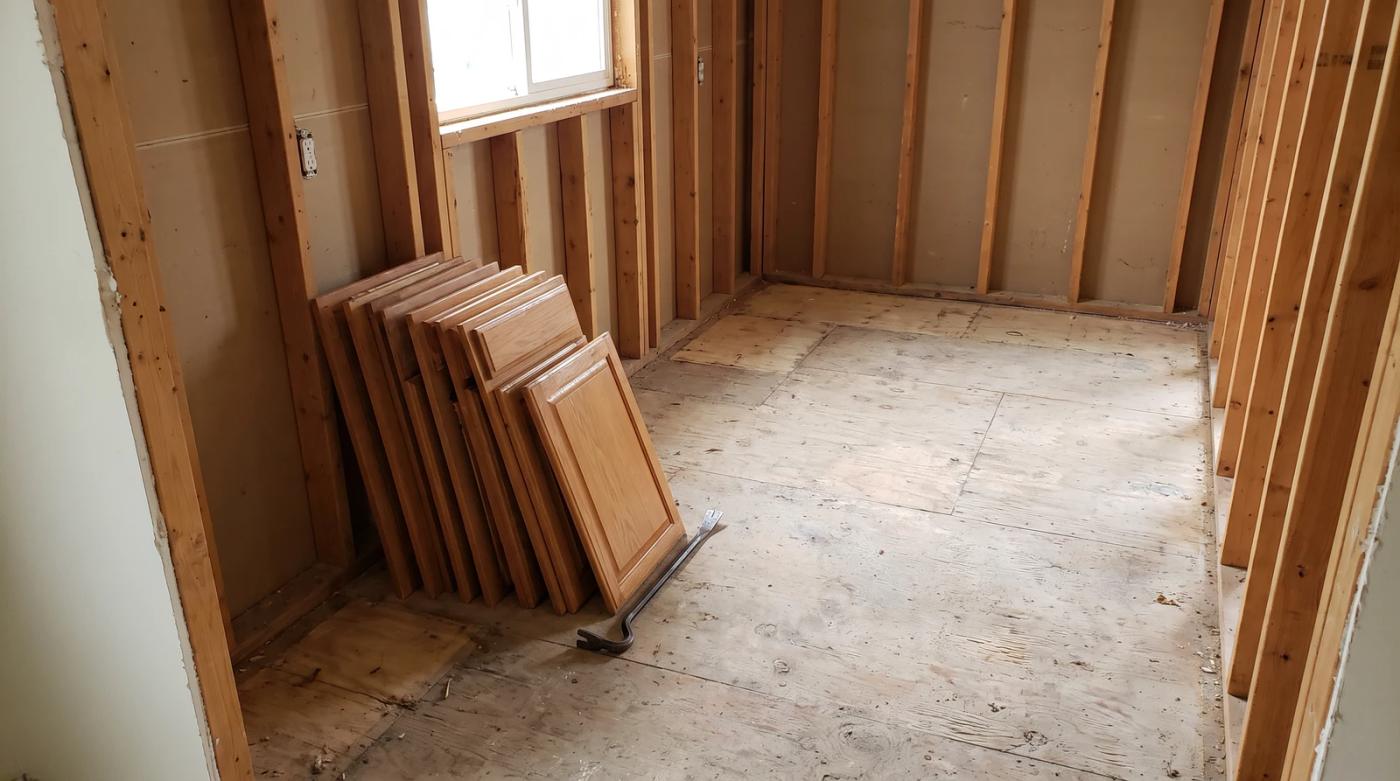
Last spring a guy off the Ten Mile corridor in Meridian called us on a Tuesday afternoon. New cabinets were landing Monday. His old kitchen was still sitting right where it had been since 1998, and his weekend of DIY interior demolition had turned into a half-full trash can, a drywall mess, and a sink he couldn't get disconnected.
Room was down to studs and subfloor by Thursday morning.
Demo is the part of a remodel nobody pictures while they're looking at tile samples. It's the unglamorous middle step. Get the old stuff out of the room, out of the house, and gone, so your contractor starts on a clean space instead of somebody else's mess.
What interior demolition actually means
Most calls we get are one of two jobs.
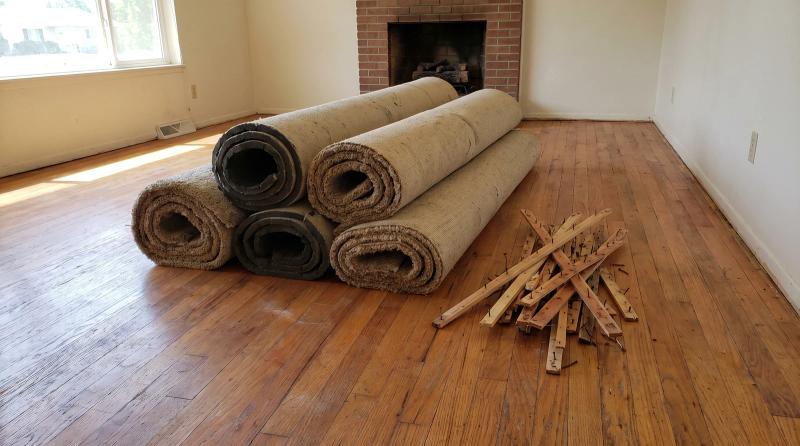
Selective demo is the common one. Cabinets and countertops come out, the flooring comes up, the backsplash gets knocked off, maybe a vanity and a tub nobody's used in years. Walls stay put, and that's your average kitchen or bathroom remodel around here.
The other is a full gut. Everything down to studs and subfloor, drywall and ceiling included.
People go that route in older homes when they're rewiring or replumbing anyway, or when a rental over in Nampa has been beat up past the point of patching.
Either way it's the same two moves, over and over. Take it apart, then carry it out. The carrying out is what people underestimate, and it's most of the reason folks call us halfway through a Saturday.
The order things come out in
Water and power go off first. Always. Not just the breaker for the room: the actual fixture shutoffs, plus the main if you're touching supply lines.
Then anything wet. Sink, faucet, dishwasher, disposal, toilet, tub. Get those capped before something heavy starts swinging.
Countertops next. Then upper cabinets, then the lowers.
Why uppers first? A cabinet that's still screwed to the wall with nothing underneath it will come down eventually, and it'll pick the timing itself.
Flooring after that, since it usually runs under the toe kicks. Drywall goes last if it's coming out at all, or first if you're gutting and want the room open to work in.
Heads up: In a lot of older Boise houses, especially the North End and up on the Bench, the little angle stop under the sink hasn't been turned since the Clinton administration. Turn it and it can snap off in your hand. Find your main shutoff before you touch anything, and make sure it actually works.
Where DIY demo usually goes sideways
Walls come first on this list. If you're pulling one out, somebody needs to know whether it's holding up the roof before the first swing. That's not a guessing game.
Then there's asbestos. Anything built before the early '80s deserves a look: popcorn ceilings, old sheet vinyl, the black mastic under it.
A test costs very little next to spreading the stuff through your ductwork. On a full teardown the state wants it checked, and on an interior remodel the rules are looser, but the math is the same.
Dust is its own project. Boise summers are hot and dry, the house is running forced air, and demo dust finds every register in about ten minutes. Plastic on the doorways, registers taped off, and a real plan for cleanup.
And then volume, which is the one that gets almost everybody. A standard eight-by-ten kitchen fills more truck space than anyone guesses, and cabinets don't compress.
Countertop, tile and old subfloor are heavy in a way that bites you on a dump run. If the plan is a half-ton pickup and a trip to the Ada County landfill, figure on more trips than you budgeted, and check the hours before you load.
Do you need a permit to gut a kitchen or bath?
For pulling cabinets, flooring and fixtures, usually no separate demo permit. That work rides under whatever permit your remodel is already pulling.
Moving or removing a wall is a different story, and so is anything structural. That gets reviewed. A whole structure coming down is another animal entirely, with utility disconnects and its own paperwork.
Not sure which side of the line you're on? Your building department will tell you straight in about five minutes on the phone. Worth the call.
Timing interior demolition around your contractor
Most of these jobs run one to two days once we're on site, and we can usually get on the schedule within a few days of the estimate.
So don't book demo for the same morning your cabinet installer shows up. Leave a couple days of slack, because demo is where the surprises live.
Rotten subfloor under a toilet. A plumbing run nobody knew about. Normal stuff, and a lot easier to handle when nobody's standing around waiting on you.
Pricing is by volume: how much truck space the debris takes up. We look at the room, give you a firm number, and nothing gets touched before you've heard it. What can be donated or recycled goes that direction, and the rest goes to the landfill.
Bottom line
Interior demo isn't complicated work so much as heavy, dusty, high-volume work with two or three spots you really don't want to guess on. Yes, we'd like the job. But if you've got a free weekend, a strong back and a way to haul it off, go swing the hammer.
If the remodel clock is ticking, that's where we're useful. We work all over the valley, Eagle and Star out through Kuna, Nampa and Caldwell.
Call us at (208) 593-2877 and we'll come look at the room. Estimate's free either way.
Need Help With Demolition?
Top Shelf serves Boise and the Treasure Valley with professional junk removal, cleanouts, and demolition services.