
How to Tear Down a Wood Shed (and Why Metal Comes Apart Faster)
By Eric Hinderager, owner of Top Shelf Junk Removal and Demolition · Updated
Learn how to tear down a wood shed step by step, why metal ones come apart faster, what moves the cost up or down, and the common mistakes to avoid.
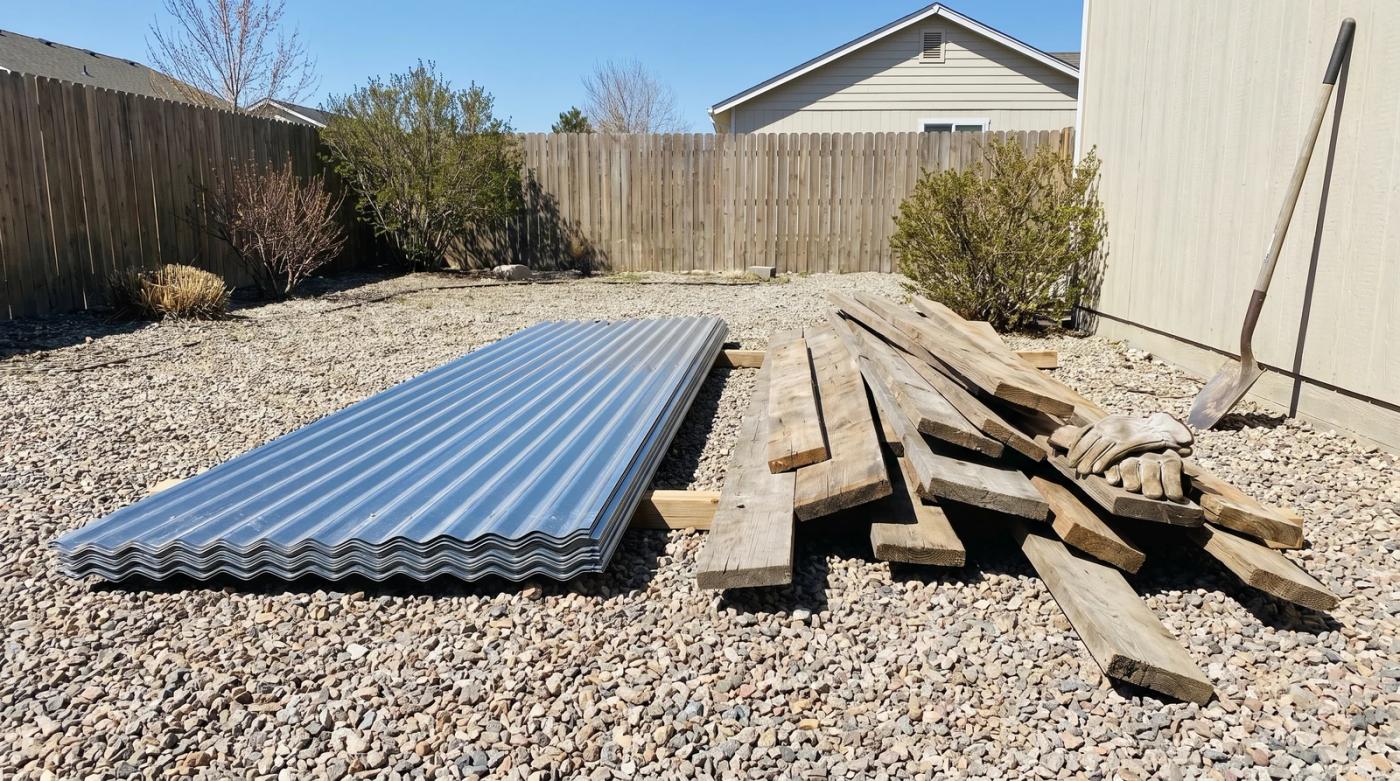
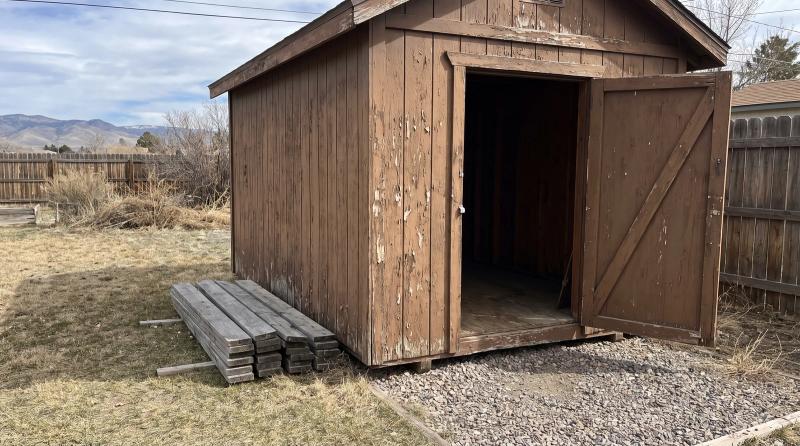
How to tear down a wood shed comes down to order: clear everything out, disconnect utilities (electricity, and water if applicable), then take it apart from the top down, roof first and floor last.
It's slow, heavy work, and most of what comes off ends up in the landfill. A metal kit shed of the same size usually comes apart in a fraction of the time.
Same footprint on paper. Very different day. If you're collecting quotes for shed demolition around the Boise area, the biggest thing moving that number is what your shed is built out of.
How to tear down a wood shed, one layer at a time
A wood shed is a small building. Framed, sheathed, roofed, and held together by a lot of nails that have been sitting in Idaho weather for years.
You can't just push it over. Well, you can. Then you've got a tangled pile with nails pointing up in every direction, and you still have to cut it down small enough to load. Knocking it over isn't the work. Breaking it apart is.
It's generally best to go in layers:
- Empty it and shut things off. Take out anything you want to keep, then disconnect utilities: electricity at the breaker, and water if applicable.
- Take out the doors and windows. Unscrew the hinges, lift the doors off, and pull the windows next. Glass breaks badly once the frame starts to shift.
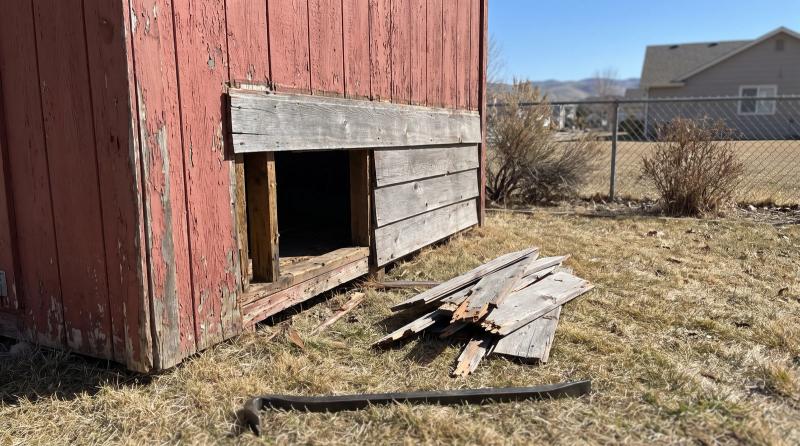
- Strip the roof. Start at the peak and work down. Slide a flat pry bar under the shingles, pry it upwards, and let the pieces drop onto a tarp. Then the sheathing comes off.
- Take down the rafters. Cut them at the top plate with a reciprocating saw, or knock them loose one at a time.
- Drop the walls one at a time. The corners and load-bearing walls held everything up. Once the roof is off, each wall is just a panel to cut and carry.
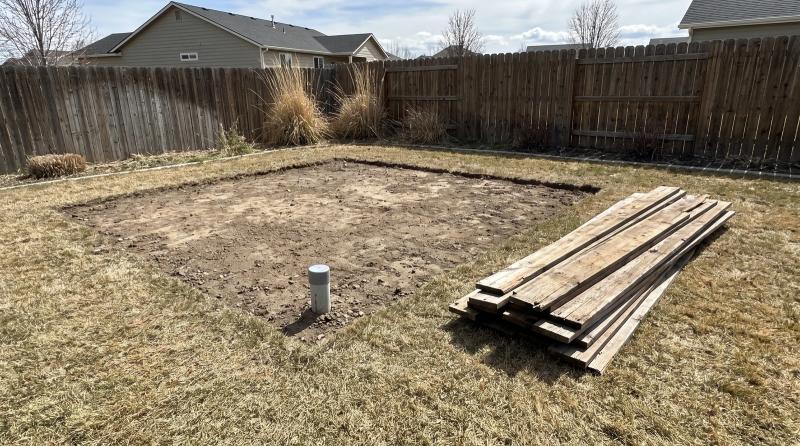
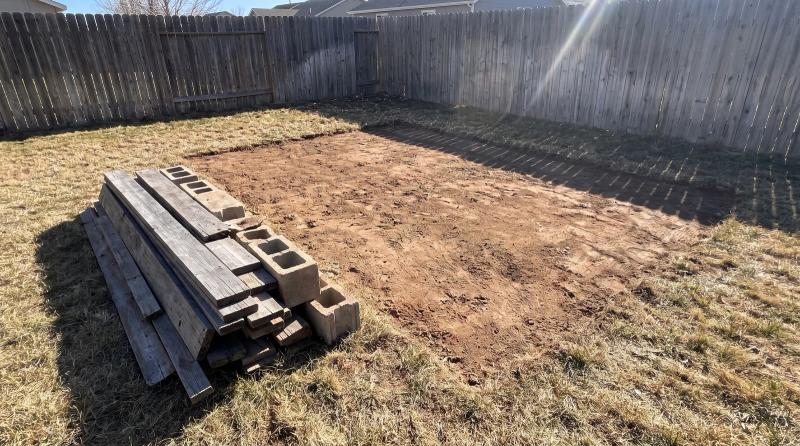
- Pull the floor last. Lift the floorboards or plywood with a crowbar, then deal with the joists and skids.
How long that takes depends on the size, how solid the framing still is, how much roofing is up there, and how far everything has to be carried to the truck.
The floor is where wood sheds get ugly. If it sat on skids on bare dirt, the joists are usually soft and the plywood doesn't come up in sheets. It comes up in chunks, one shovel of damp particle board at a time.
Good to know: If you can't remove nails as you go, stack boards nail-side down. Gloves, eye protection and stiff-soled boots are the minimum to safely demolish anything this old.
Got a helper? Work as a team. One person cuts, the other carries, and nobody stands under a section that's coming down.
And most of it heads to the landfill. Old T1-11 siding, tar paper, painted trim: very little of that gets recycled. It goes to the landfill, and the landfill charges a disposal fee; check the current rates.
That makes disposal a real part of the plan. All of it is bulky, so sort out debris removal before the first board comes off.
Why metal comes apart faster, and why it bites
Those steel kit sheds, the ones that showed up in a flat box from a big-box store and ate a whole weekend to assemble, come apart about the way they went together. Only quicker.
Roof panels first. Then walls. Then the frame. A steel shed usually comes down well ahead of a wood one of the same footprint, as long as the bolts aren't rusted solid and the anchors come out clean.
The catch is that thin galvanized steel is sharp. Every panel edge is a cut waiting to happen, and one good gust can turn a loose panel into something you really don't want to be holding. That's the main risk here. Not weight, not collapse. Just sheet metal behaving badly.
Quick tip: Taking a steel shed apart yourself? Pull the roof panels before you touch the sides. Those kits get a lot of their rigidity from the roof, so if you start unbolting the sides first the whole thing racks sideways on you. That's how people end up with a folded shed and a bent door track they can't get past.
Metal does have one thing going for it: scrap value. Clean steel can go to a scrap recycler instead of the landfill. That doesn't make it free, but it can take some of the disposal cost off the job.
How much does it cost to tear down a shed?
The estimate is free. There isn't one number that fits every backyard, because a few things move the cost up or down more than the footprint does.
| Type | How it comes apart | Where most of it goes |
|---|---|---|
| Metal kit | Unbolts panel by panel, sharp edges | Scrap recycling |
| Resin or plastic | Cracks apart by hand once brittle | Landfill |
| Wood-framed | Layer by layer with saws and bars | Landfill |
| Large wood building or shop | Same as wood, with more framing and roofing | Landfill, often several loads |
Resin sheds are the cheap ones, and honestly they're the closest thing to a DIY win on this list. Old plastic gets brittle in our sun, so the panels crack apart under hand pressure. If a neighbor with a pickup owes you a favor, that's the job to spend it on.
Tearing down a wood shed is a lot simpler when it's empty. A lot of them aren't. A shed packed with paint cans, a dead lawnmower, and years of yard tools changes both the time and the price, so clear everything you want to keep before anyone shows up. Anything in there that still works may be worth a run to Idaho Youth Ranch first; check what they accept before you load up.
Material sets the baseline. These are the things that move it:
- Backyard access. A narrow side gate means every piece gets hand-carried to the front, and that takes longer.
- A concrete slab underneath. Breaking up and hauling a slab is a whole separate task.
- Buried anchors and auger stakes. Common on steel sheds in open, windy spots.
- Power or water run out to the shed. That gets dealt with before anything comes down.
- Disposal type. Scrap steel and landfill materials go to different places.
One more that catches people off guard: what's living under the floor. Rodent nests, wasps up in the eaves, a puddle of old motor oil soaked into the dirt. None of it stops the teardown, but you want to know about it before you get a number.
Can I do the demolition work myself?
I'll be straight with you. A small steel or resin shed is genuinely doable on your own if you own a few tools and have a way to haul the pieces. A wood shed with a rotted floor is where a lot of weekend projects go sideways.
The usual DIY mistakes:
- Cutting a corner post while the rafters still rest on it.
- Trusting the light switch instead of the breaker.
- Leaving boards with nails up where kids and dogs walk.
Heads up: Before you start, check your local regulations. A small backyard building doesn't always need a demolition permit, but some do, and anything that had power run to it may need the line made safe first.
If it sits close to a fence or your house, plan which way each section falls before you cut.
Rather hand it off? A professional crew with the right equipment can take it down and haul it away. Top Shelf Junk Removal and Demolition handles shed removal across the Treasure Valley as part of our demolition service, and the team takes care of the permit application when one's needed.
Metal comes apart fast and pays a little back on the scrap side. Wood is slower, heavier, and mostly landfill. A wood one usually takes more work and more disposal than a steel one of the same footprint, and access and slab work move the cost too.
Want a real number? Call us at (208) 593-2877 for a free on-site estimate. We'll tell you what it'd run and whether it's worth doing yourself. Either answer is fine with us.
Frequently asked questions
What tools do I need for the roof, doors and windows?
A hammer, a drill, a sledge and a good saw cover most of it, plus gloves, eye protection, sturdy boots and a tarp.
Should the floorboards come up last?
Yes. The floor is your stable place to stand while everything above it comes down. Pull it last, then dig out any skids or blocks.
Do I need a permit for removal?
Sometimes. Some cities and counties want a demolition permit even for a small backyard building, especially if power ran to it, so ask your building department before you start.
What should I do before any demolition starts?
Related reading: Removing a Deck From a House: Where All That Lumber Ends Up and Concrete Slab Demolition: Can You DIY It, or Should You Hand It Off?.
Empty it, shut off power and water, and call 811 before digging out posts or anchors. Have your team agree on where the debris pile goes.
Need Help With Shed Demolition?
Top Shelf serves Boise and the Treasure Valley with professional junk removal, cleanouts, and demolition services.