
DIY Fence Removal in Boise: When to Do It and When to Hire a Pro
By Eric Hinderager, owner of Top Shelf Junk Removal and Demolition · Updated
Thinking about DIY fence removal in Boise? Learn the steps, the tools you need, how to pull posts set in concrete, and when hiring a crew makes more sense.
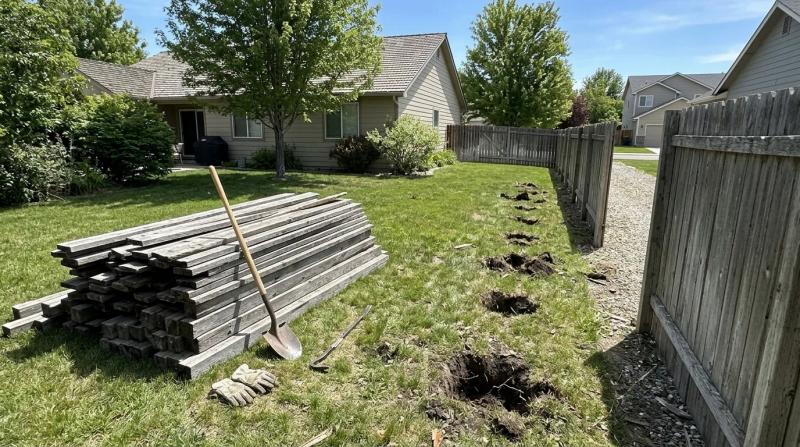
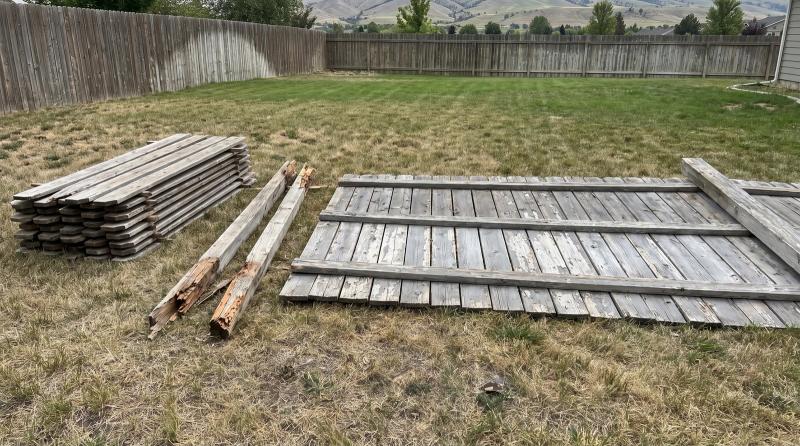
DIY fence removal comes down to three jobs: taking off the boards, pulling the posts and hauling it all away. The boards are easy. The posts are the hard part, especially when they sit in concrete.
If you have the correct tools, a truck and a free weekend, you can do it yourself. If not, hiring a crew is usually less hassle.
What does DIY fence removal actually involve?
People tend to underestimate this job. It looks simple. Just pull it down, right? Not quite.
Here's the order most people follow:
- Remove pickets or panels. Pry them off or unscrew them from the rails.
- Take down the rails. These are nailed or screwed to the posts. If a rail won't come loose, cut it at the post with a reciprocating saw or a cordless saw.
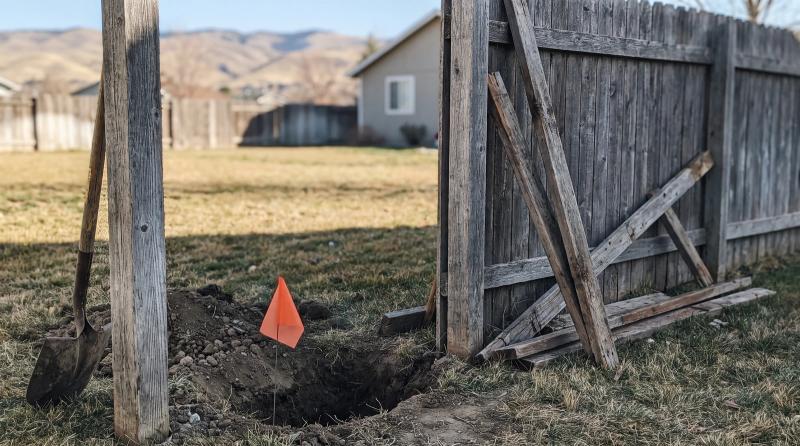
- Pull the posts. This is where the fun stops. Posts are often set deep, and many sit in concrete.
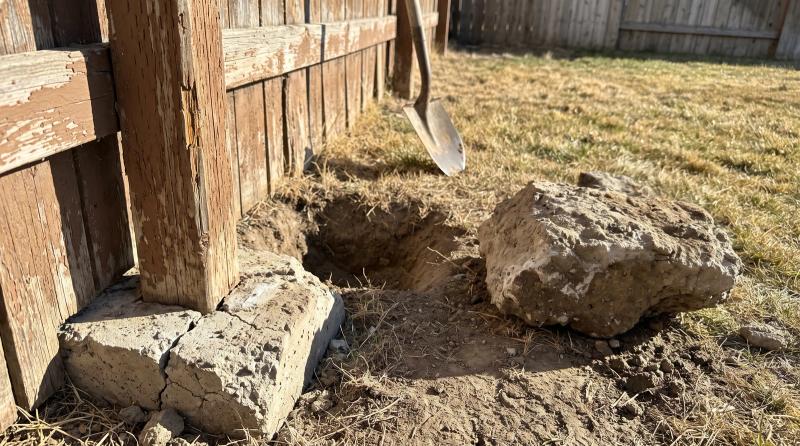
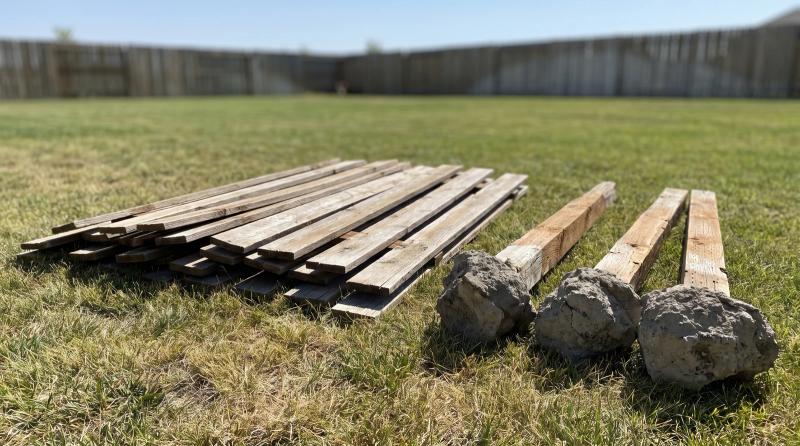
- Remove concrete footings. Each one is a heavy, awkward chunk to lift and carry.
- Fill the holes. Unless you want ankle-breaker traps in your yard.
- Haul everything away. Even a small fence makes a surprising pile of debris.
Pulling posts is the dealbreaker for most people. Digging out concrete by hand is brutal work, especially in hard or clay-heavy soil.
Heads up: Call 811 before you dig around old posts. Buried gas, power or water lines can run close to a fence line.
Tools you'll need
- A pry bar and hammer for pickets
- A reciprocating saw or cordless saw for stuck rails
- A shovel and a post hole digger
- A jack and a short length of heavy chain for posts
- A truck or trailer for hauling
- A friend or two who owes you a favor
Getting the correct tools lined up before you start saves a lot of fighting with each post.
What adds to the cost
- Tool rental, if you don't own what you need
- Dump fees, which depend on how much you bring and what kind of material it is
- Food and drinks for your helpers
Time depends on how long the fence is, how the posts are set and how many hands you have. It can easily stretch past an afternoon.
Boise summers make it harder, too. Pulling posts in July heat is no joke.
How do you get a post out of the ground?
There's no single trick. It depends on whether the post sits in dirt or concrete, and whether it's solid or rotted. Here are the common ways to handle fence post removal.
| Method | Works best for | Watch out for |
|---|---|---|
| Dig it out | Posts in dirt or small footings | Slow going in hard clay |
| Jack and chain | Solid posts set in concrete | Chain slipping on wet wood |
| Long pry bar | Posts already loosened by digging | Bending the bar on heavy footings |
Digging it out
For posts in plain dirt, grab a sturdy shovel and dig around the base. Go wider than the footing so you can rock the post back and forth.
Once it wiggles, it usually lifts out. Soaking hard ground with a hose first can soften the clay and make digging easier.
Using a bottle jack
A bottle jack is often the easiest way to lift a post that's set in concrete. Here's how it works:
- Dig a little soil away from the top of the footing.
- Wrap the chain low around the post. Then wrap round the chain a second time so it grips and won't slide up.
- Hook the chain to the jack's lifting point. Set the jack on a flat board so it doesn't sink.
- Pump slowly. The post and footing should start to rise together.
Done right, a jack lifts a fence post stump easily, as long as there's enough wood left to hold the chain.
Quick tip: If a post has rotted off near the ground, screw a heavy lag bolt into what's left. That gives the chain something to catch on.
When should you hire a pro instead?
DIY works best when:
- The fence is short
- Posts aren't set in concrete (some older fences used dirt only)
- You have a truck and a disposal plan
- You like physical outdoor work
- You have a full weekend free
A pro makes more sense when:
- The fence is long
- Posts are set in concrete
- You don't have a way to haul it
- Time is tight
- You're replacing the fence and want a clean start
- The fence is on a property line and needs careful removal
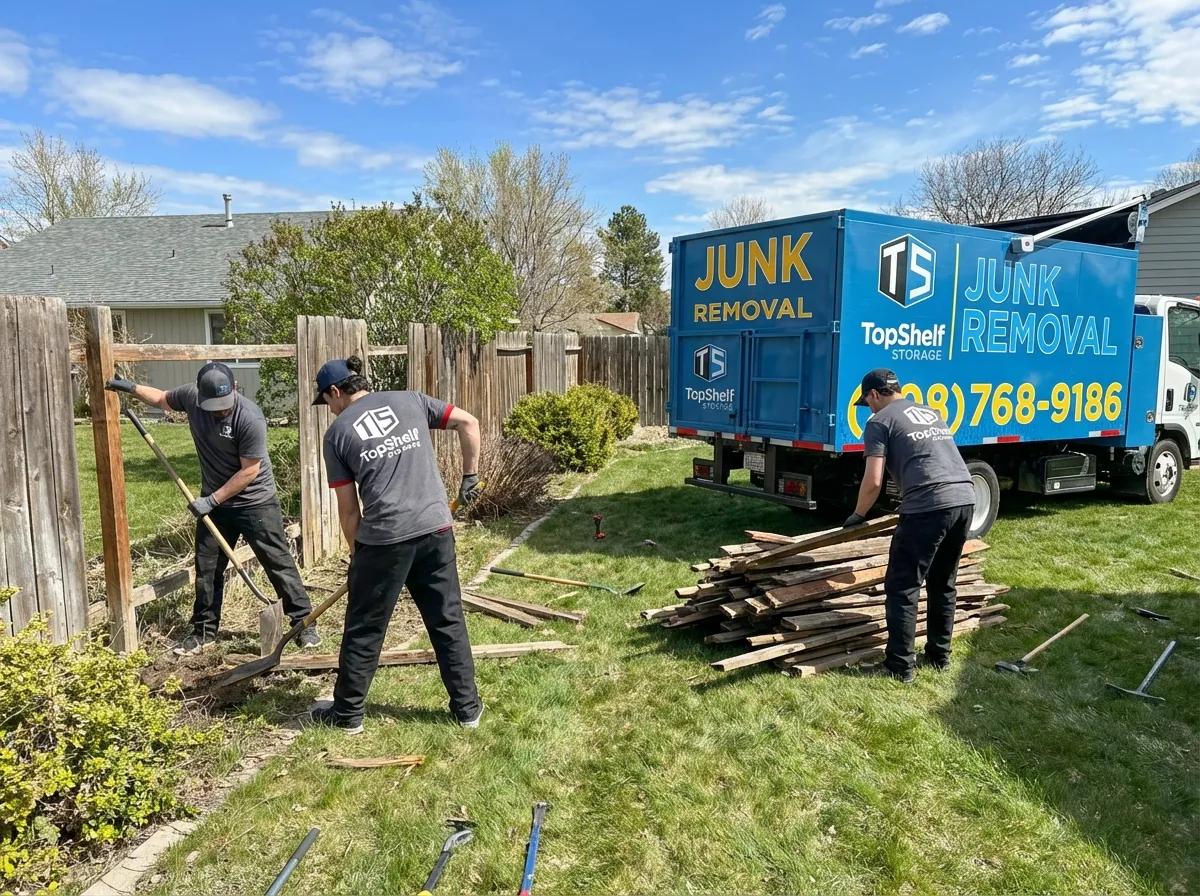
With a crew, they tear it down, pull the posts and concrete with equipment and haul everything away. Your part is pointing at the fence and confirming what goes.
What moves the cost for a crew? The length of the fence and how much debris it adds up to. The material, since wood privacy fencing and chain link come apart and haul differently. Whether the posts are in concrete. And access, like tight side yards, slopes or landscaping in the way.
Check the property line first
Know where your line is before you touch any fence. Fence lines are a classic source of neighbor disputes, in Boise or anywhere else.
If you're not fully sure the fence is yours, get a survey. It's a lot less hassle than a legal fight with your neighbor.
If the fence sits right on the line, your neighbor may co-own it. A quick talk beforehand avoids problems.
After the fence is gone
Once the old fence is out, you've got options:
- New fence: A fencing company may prefer to start fresh rather than work around old posts.
- Open yard: Some homeowners find they like the open feel.
- Hedge or landscaping: A natural border is another way to mark the line.
If a new fence is going in right away, line up the removal and install dates. There's no sense leaving your yard open longer than it needs to be.
Good to know: If you have a dog, plan a short-term barrier for the gap between the old fence coming out and the new one going in.
Not sure which way to go? Top Shelf Junk Removal and Demolition can pull the fence, the posts and the footings, then haul it all off. Call (208) 593-2877 for a free estimate and a straight answer on what your fence will take.
Frequently asked questions
What's the easiest way to pull a post set in concrete?
For most people, the easiest way is a bottle jack and a chain. Dig a little soil away, wrap round the chain tight near the ground, and jack the post and footing up together.
Can I just cut the posts off at ground level?
You can. If you're done with that spot, cut it flush and cover it with soil. Just know a new fence or garden bed may hit that old concrete later.
What tools should I have before I start?
Grab a sturdy shovel, a pry bar, a saw for stuck rails and a jack with a chain. With those, you can often lift a fence post stump easily once the soil around it is loose.
Is fence post removal worth doing myself?
Related reading: Concrete Slab Demolition: Can You DIY It, or Should You Hand It Off? and Chicken Coop Removal in Boise: Dust, Wire and Old Posts.
It is if the fence is short, the posts aren't in concrete and you have a truck. With a long run of concrete-set posts, fence post removal is the part where a crew saves you the most effort.
Need Help With Fence Removal?
Top Shelf serves Boise and the Treasure Valley with professional junk removal, cleanouts, and demolition services.