
Cleanout Before a Remodel in Boise: Clearing the Rooms First
Planning a remodel in Boise? Here's how a cleanout before a remodel works: what to keep, what to haul, and when to clear the rooms so the crew can start.
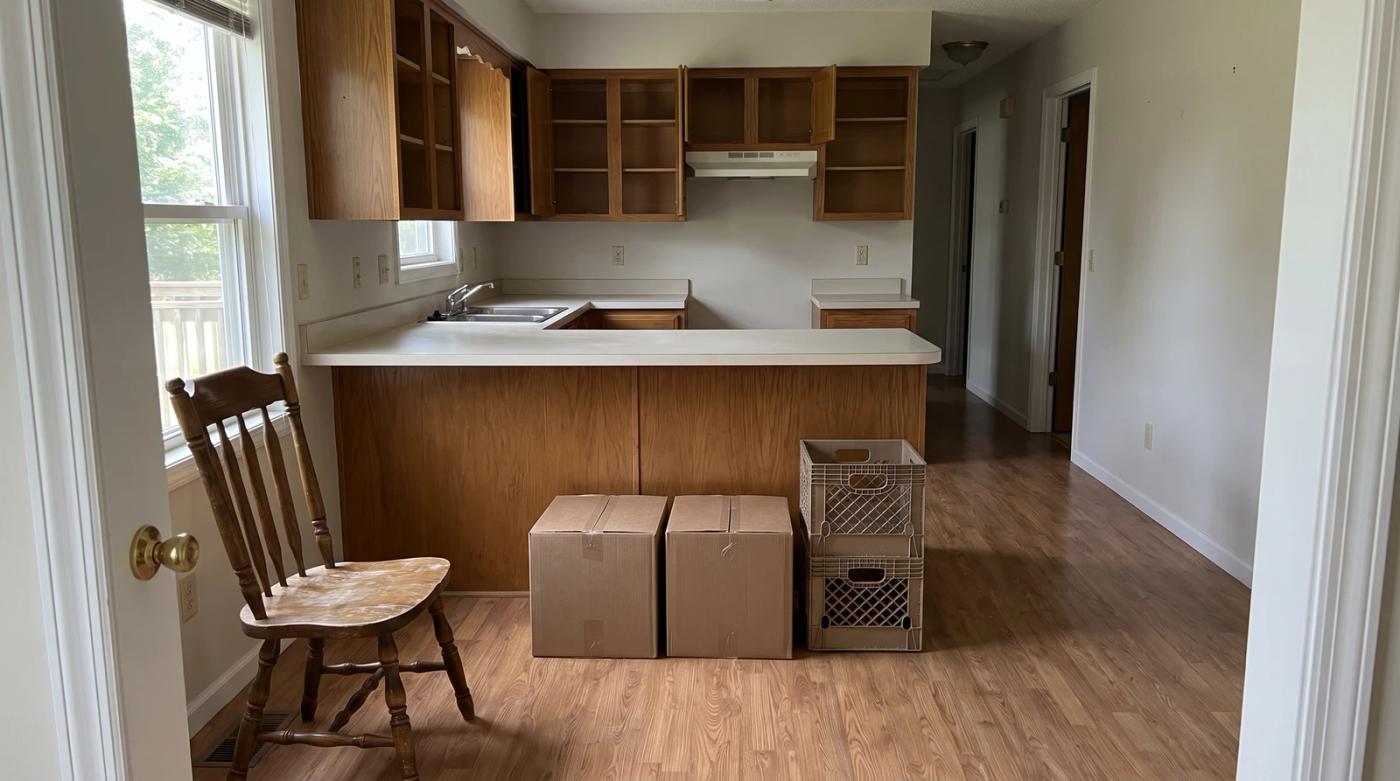
Last spring we walked into a kitchen on the Bench where the cabinet crew was due Monday. It was Friday afternoon. The counters were still covered in small appliances, the pantry was full, and the dining room next door held about fifteen years of stuff with nowhere to go.
That's how a cleanout before a remodel usually goes in Boise. Everybody plans the remodel. Almost nobody plans the emptying out.
If you've got a kitchen, bath, basement or whole-house project coming up somewhere in the Treasure Valley, here's how to get the space cleared so your contractor can actually start on day one.
Why your contractor wants the room empty
Most remodel contracts assume the crew walks into a clear workspace. Some spell it out. Others just expect it.
When the room isn't ready, a few things tend to happen. The crew works around your stuff and it gets dusty or scratched, or they move it themselves and bill you for the hours.
Worst case, they reschedule. During a busy Boise building season, the next open slot could be weeks out.
And drywall dust gets into everything. A box of photos left in the corner of a room getting new sheetrock won't come out looking the way it went in.
So yes, the room really does need to be empty. Not mostly empty.
What a cleanout before a remodel actually covers
People hear "cleanout" and picture a hoarder house. For a remodel, it's usually a lot simpler than that.
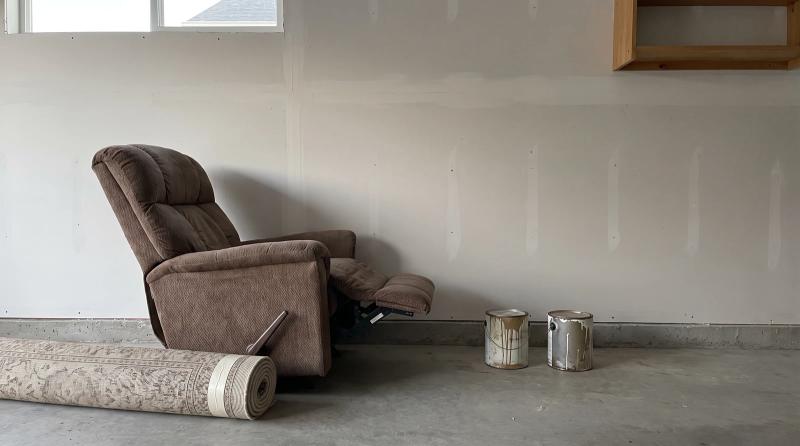
It's mostly the stuff that isn't coming back. Maybe that's the old dining set you were replacing anyway, or a fridge that won't fit the new cabinet layout. In a basement turning into a family room, it's usually the guest bed and a couple of dressers.
Then there's the overflow. Empty a kitchen and everything in it has to land somewhere, usually the garage. That's a good moment to ask whether half of it is worth keeping at all.
Some of it touches the project without being the contractor's job. Old blinds, a wall-mounted TV bracket, the broken treadmill sitting right where the new flooring goes.
Read your contract on this one. When it says the contractor handles "demo," that usually means cabinets, fixtures and drywall. It doesn't mean your furniture.
Tip: Before you book anybody else, ask your contractor exactly what their demo includes. If they're already hauling the old vanity and tub, don't pay twice. If they won't touch the old appliances, plan on getting those out first.
Sorting it without stalling the project
Here's the order that works for most of the folks we help in Boise, Meridian and Nampa.
Start about two weeks before the start date. Not the weekend before.
First, pull out what you'll actually use while the work's going on. The coffee maker, a couple of pans, the stuff you'll need in the other bathroom. Set it aside so it doesn't get swept up by accident.
Next, box and label everything that's coming back after the project, then get it out of the work zone. A spare bedroom or a storage pod works fine.
The garage works too, if there's room. In a lot of Treasure Valley houses there isn't.
Whatever's left is your haul pile. Furniture you're replacing, dead appliances, the bags that have been "going to Goodwill" for three years. That's the part we take.
Don't forget the rooms around the remodel, either. If cabinets and materials are going in and out, the hallway and the path from the front door need to be clear too.
Timing the cleanout before your remodel
Ideally the haul happens a few days before demo starts. That gives you a buffer if something comes up, and the room doesn't sit empty long enough to start filling back up.
Once we're on site, most of these jobs take under an hour. We look at the pile and give you a firm price based on how much truck space it'll take.
If you're good with the number, we load it right then. Pricing goes by volume, so a couple of chairs and a mattress cost a lot less than a full basement.
Tight timeline? Ask about same-day. We can't always swing it, but we often can.
What happens to the stuff that's still useful? Decent furniture, working appliances and housewares get donated when local spots will take them, and metal gets recycled.
Only what's truly done goes to the landfill.
Can you handle it yourself? Sure. We'd love your business, but honestly, if you've got a truck, a free Saturday and someone to help carry the couch, you'll save some money.
Just know a dump run with a fridge and a sectional usually eats the whole day. Between loading, the drive out to the Ada County landfill and the line at the scale house, it adds up fast when the remodel's already taking your weekends.
What happens after the remodel
Here's the part people don't see coming. The cleanout often isn't one trip.
Once the new kitchen's in, you'll unpack and find things that just don't fit. The old table looks wrong in there, and half the pantry boxes never get opened again.
That second, smaller haul is really common. It's fine to plan for it.
Just don't count on your contractor to take it. Their cleanup usually covers construction debris, not household stuff you've decided you're done with.
Bottom line
Clear the room before the crew shows up, not while they're standing in your driveway. Start two weeks out, sort everything into use, keep and haul, and get the haul pile gone a few days before demo.
If you want a hand with the hauling, give us a call at (208) 593-2877. We'll come take a look and give you a firm price before anything moves. After that it's your call, no pressure either way.
Need Help With Cleanouts?
Top Shelf serves Boise and the Treasure Valley with professional junk removal, cleanouts, and demolition services.