
Barn Cleanout in the Boise Area: Old Shops and Outbuildings
Planning a barn cleanout on Treasure Valley acreage? What's usually inside, what we can and can't haul, how to handle droppings and old chemicals, and timing.
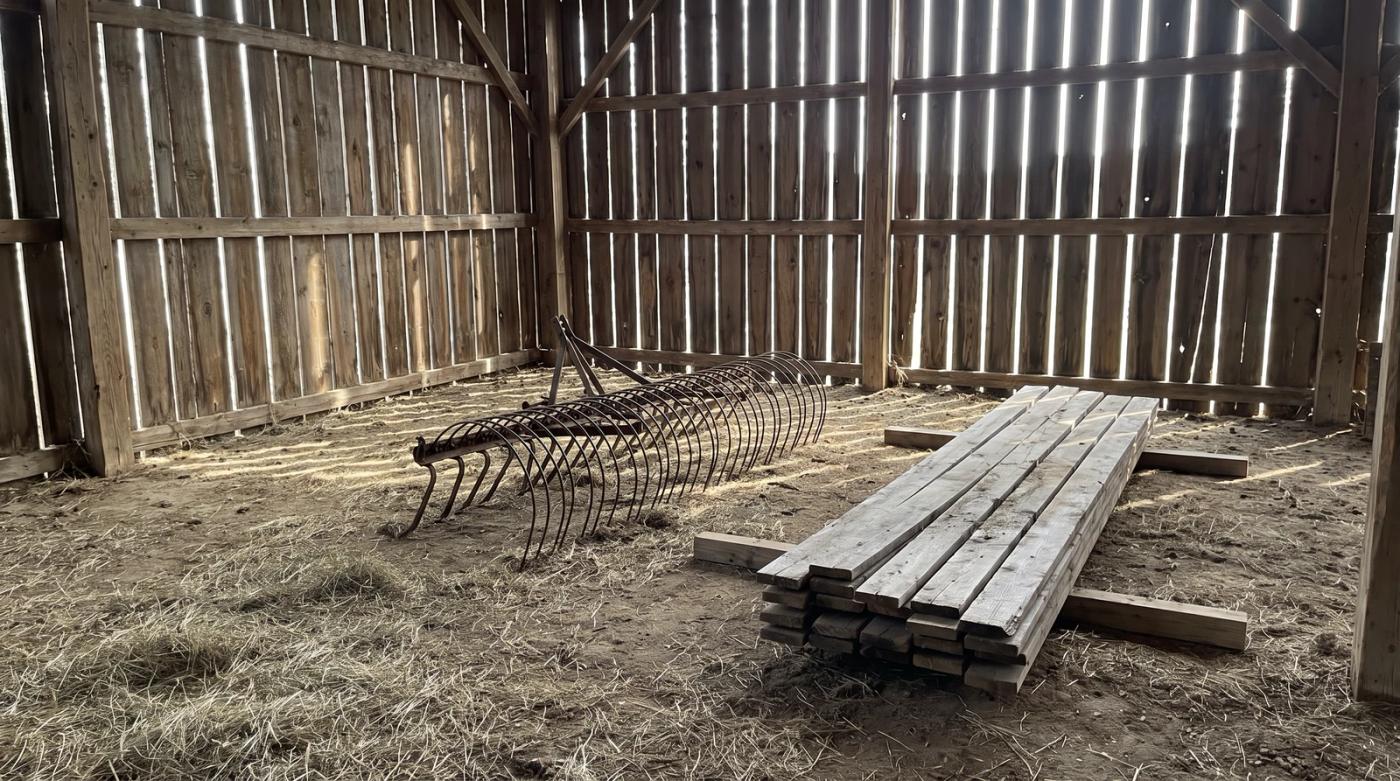
The big sliding door on an old pole barn usually sticks about two feet open. You put your shoulder into it, it groans, and the light hits forty years of stuff nobody's touched since the cattle were sold. That's how most barn cleanout jobs start for us around Boise.
It's not a garage job. There's more room, more weight, more mystery, and usually a family trying to figure out what Grandpa planned to do with three rolls of woven wire.
We've walked into plenty of these out in Kuna, Star, Middleton and down the back roads of Canyon County. Here's what they actually look like.
Why so many barns are getting cleared out
A lot of the old acreage around Meridian and Nampa is getting sold, split up or handed down. Places that sat quiet for decades are suddenly listed, and buyers don't want to inherit somebody else's barn full of junk.
Some folks keep the land and turn the barn into a shop or RV storage. Others just want to see the floor again.
Either way, the barn usually gets cleared before anything else happens. Ask any realtor and they'll tell you an empty outbuilding photographs a lot better than one packed to the rafters.
What a barn cleanout usually turns up
So what's actually in there? Honestly, a little of everything, and that variety is what makes these jobs slow.
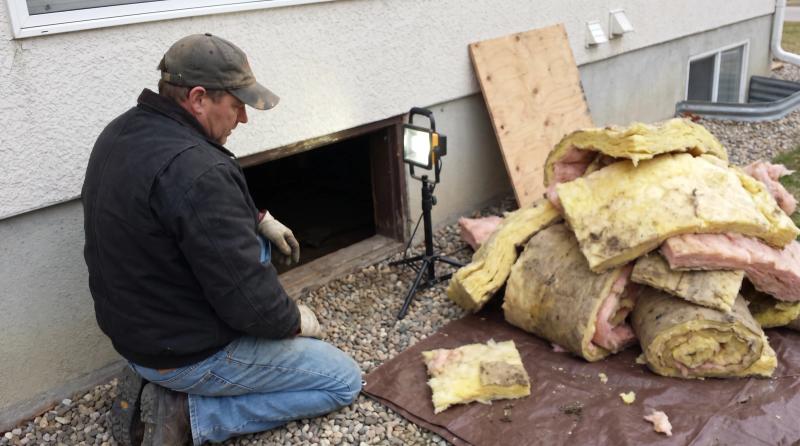
There's almost always old hay or straw. Sometimes it's moldy, sometimes it's packed into a solid mat on the floor, and the baling twine is tangled through all of it.
Then there's the metal. Rusted implements, T-posts, panels, old gates, maybe a harrow nobody's pulled since the eighties. It's heavy, but scrap metal is one of the easiest things to recycle, so it doesn't end up buried at the landfill.
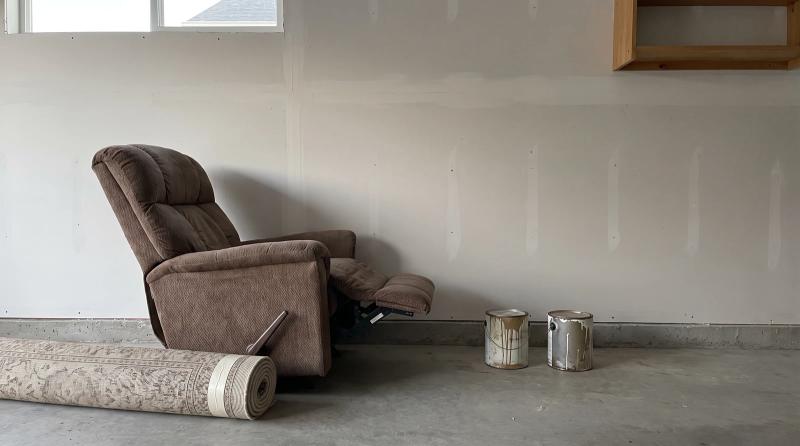
You'll find lumber stacked "for later." Tires off equipment. A couch somebody stashed out there instead of hauling it off, plus feed bins, buckets and enough coffee cans of bolts to stock a hardware store.
And every so often there's something worth real money, like old cast iron, a vintage sign, a welder that still runs or a box of antique tools. If something looks like it might matter, we set it aside so you can decide before it goes on the truck.
The stuff we can't haul
Barns collect chemicals. Old pesticides, weed killer, used motor oil, half-empty paint cans, and usually one jug with no label at all.
We can't take most of that, and you don't really want just anybody taking it either. Ada County and Canyon County both run household hazardous waste drop-offs, and that's where it belongs.
Not sure what something is? Leave it alone and point it out when we come do the estimate. We'll tell you straight whether it can go on the truck.
Fuel is the other one. Gas cans and old fuel tanks need to be empty before we haul them.
Dust, droppings and whatever's living in there
This is the part people underestimate. A closed-up barn is home to mice, pigeons, sometimes a barn owl or a raccoon, and in summer a whole lot of wasps tucked up under the eaves.
The mouse droppings are the real concern. Deer mice in Idaho can carry hantavirus, and the risk comes from breathing in dust when dried droppings get stirred up.
Heads up: Don't dry-sweep or leaf-blow a barn floor covered in droppings. Open the doors and let it air out first, then soak the mess with a bleach-and-water mix, give it about five minutes, and wipe it up wearing gloves and a well-fitted N95.
We run into this on nearly every barn job, so it's not a reason to panic. It's just a reason not to grab a push broom and go to town on a Saturday afternoon.
How a barn cleanout actually goes
It starts with a walk-through. We look at what's in there, roughly how much, and how close we can get to the door.
On acreage, access matters more than people expect. A barn at the end of a long dirt lane is no problem in August, but in March that lane can be soft mud, so spring jobs sometimes get planned around the weather.
Pricing is volume-based, same as every job we do. You get a firm price at the free estimate, before anything gets touched, and it doesn't creep up halfway through.
A small shop might take an hour or two. A big hay barn with a loft full of junk can eat most of a day and several truckloads, and we'll tell you that up front instead of guessing low to get the job.
Yes, we'd like the work. But if it's a little shed and you've got a trailer and a free weekend, you might not need us, and that's fine too.
A lot of what comes out never sees the landfill. Metal goes to scrap, usable lumber and tools get donated when we can, and only the true junk heads to the dump.
What if the barn itself is the problem?
Sometimes the stuff isn't the issue. The roof is sagging, the posts are rotted, and the building has turned into a liability.
We do demolition too, so we can clear it and take it down as one project. That brings permits and utility disconnects into it, but bring it up at the estimate and you won't pay for two separate trips.
The bottom line
A barn is bigger and messier than a garage, but it's not complicated if you take it in order. Pull what you want to keep, set the chemicals aside for the hazardous waste drop-off, and go easy on the dust.
The heavy lifting, the metal, the moldy hay and that forty-year pile in the corner? That's our part.
If you've got a barn or shop somewhere in the Treasure Valley that needs clearing out, give us a call at (208) 593-2877. We'll come take a look, give you a firm price, and you can decide from there.
Need Help With Cleanouts?
Top Shelf serves Boise and the Treasure Valley with professional junk removal, cleanouts, and demolition services.