
Mobile Home Demolition: What's Left After the Home Is Gone
After mobile home demolition in Boise, the skirting, piers, tie-down anchors, and concrete pad stay behind. Here's what that costs and how to plan for it.
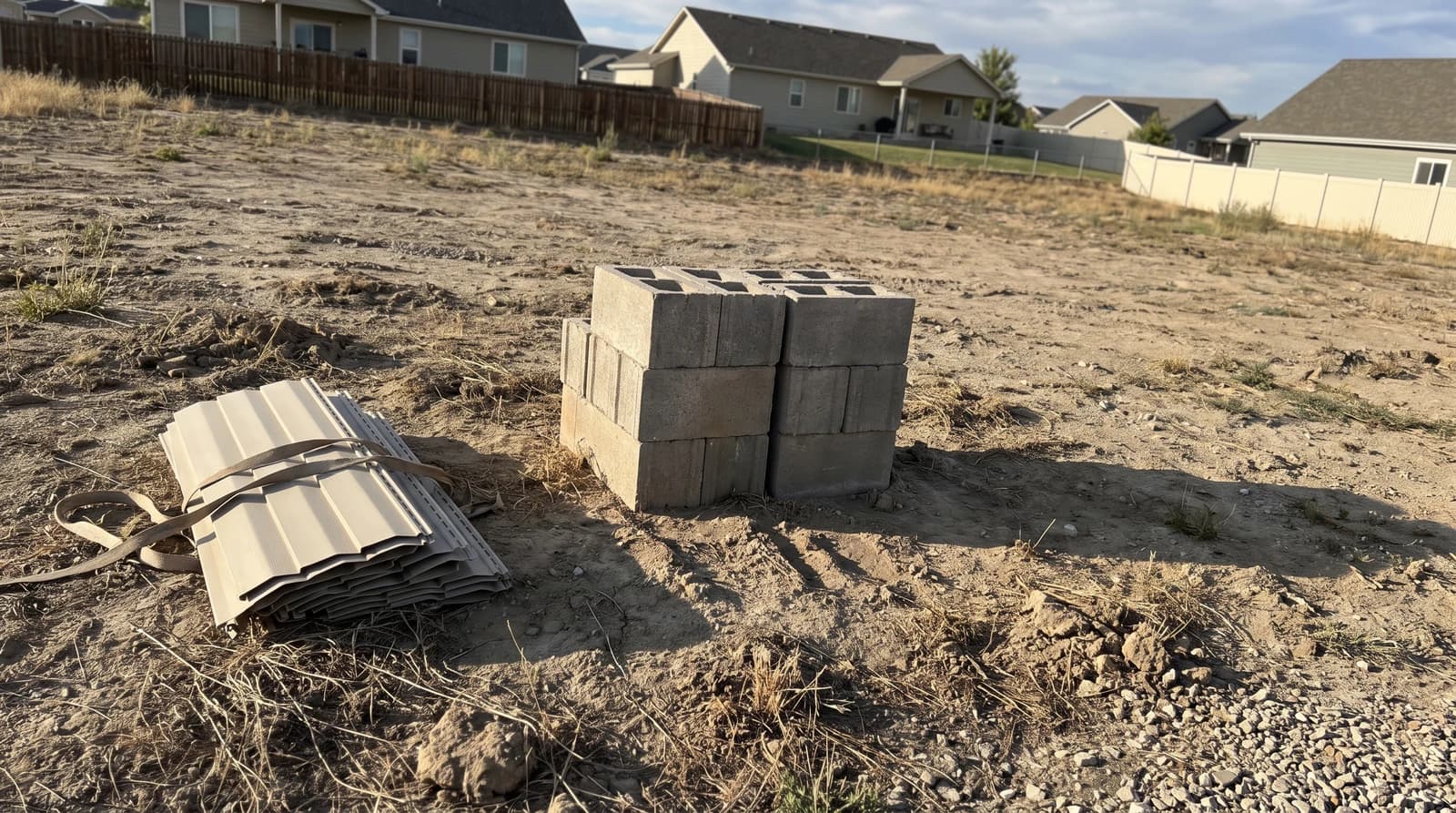
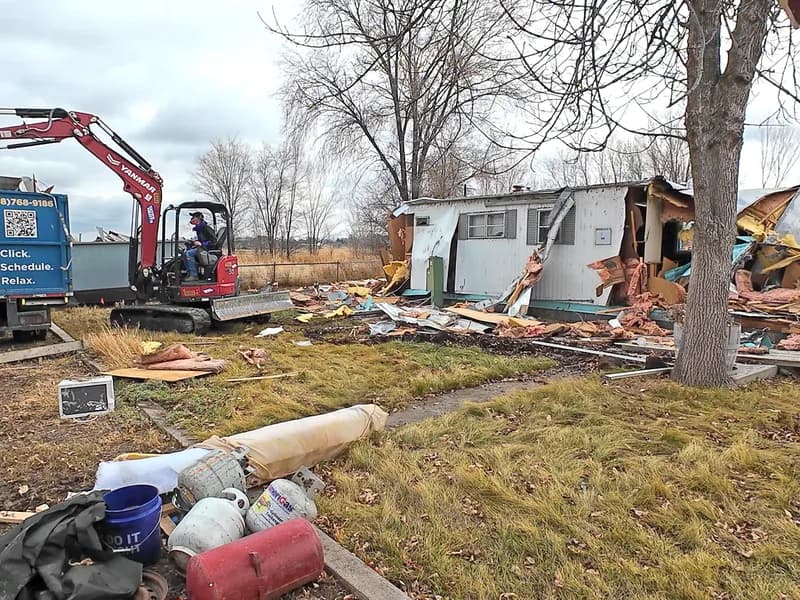
Last spring we wrapped a mobile home demolition on a lot outside Nampa, hauled off the final load around two in the afternoon, and the owner came out to walk the property.
Then they just stood there.
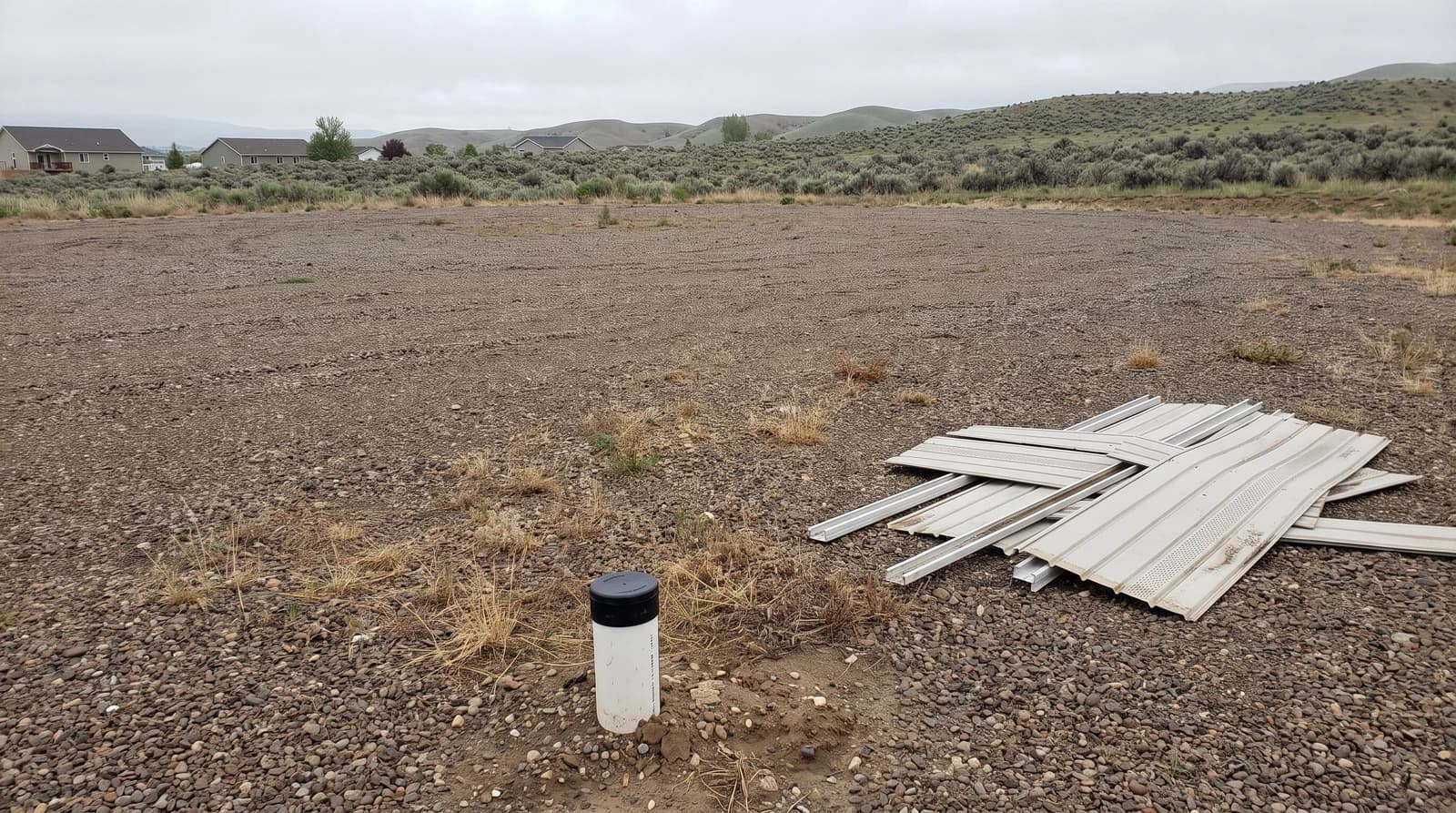
Bent vinyl skirting flattened into the weeds. Forty-some concrete blocks still sitting in their neat little rows. Steel straps poking out of the dirt, plus two long strips of cracked concrete where the axles used to sit.
"I figured it'd just be dirt," they said.
That's the part nobody pictures. The house is the easy half. What's under it is what catches people off guard.
We do a fair number of these around Boise, Meridian, Nampa, and the smaller lots out past Kuna. Almost every quote conversation ends up right here, so let's walk through it.
What's still sitting there after mobile home demolition
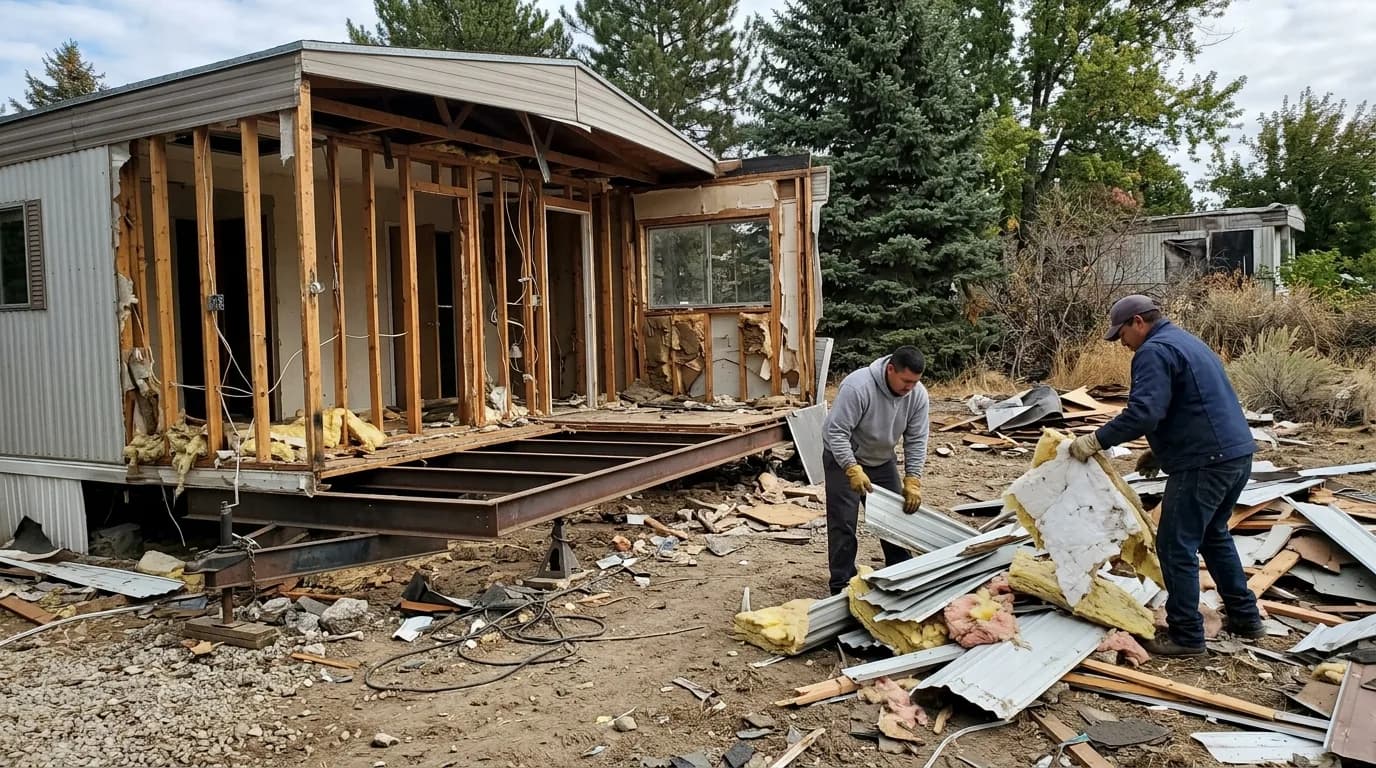
A manufactured home doesn't sit on a poured foundation like a stick-built house. It rests on a support system, and that system stays put unless somebody pulls it out on purpose.
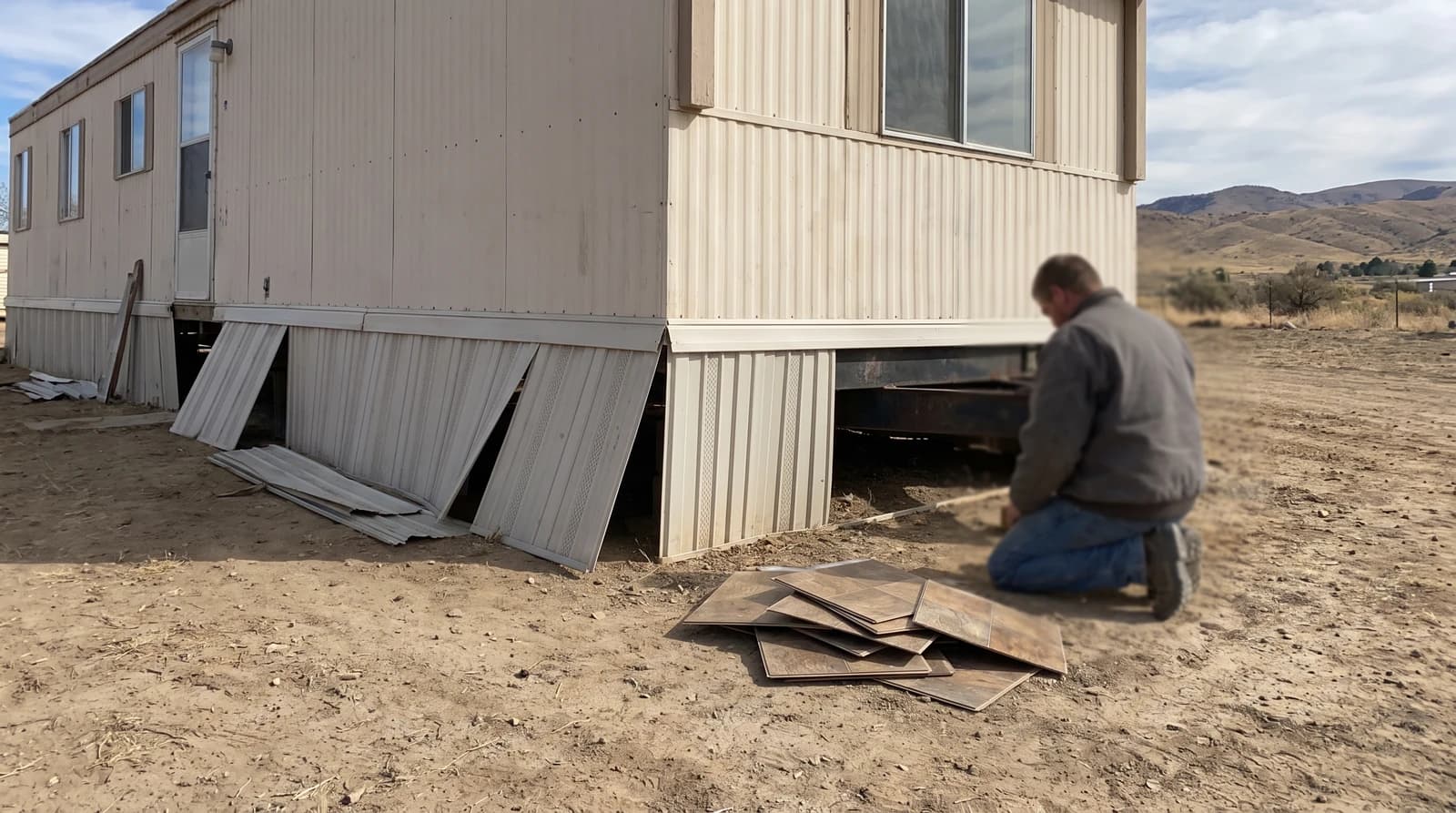
Start with the skirting around the perimeter. Vinyl, sheet metal, or those fake-rock foam panels that crumble the second you touch them.
Under that you've got pier blocks, which are stacked concrete blocks with wood shims on top. Under a double-wide there might be thirty or forty of them.
Then the tie-down anchors: steel augers screwed about four feet into the ground with the straps still bolted on. Those are the ones that bite you later.
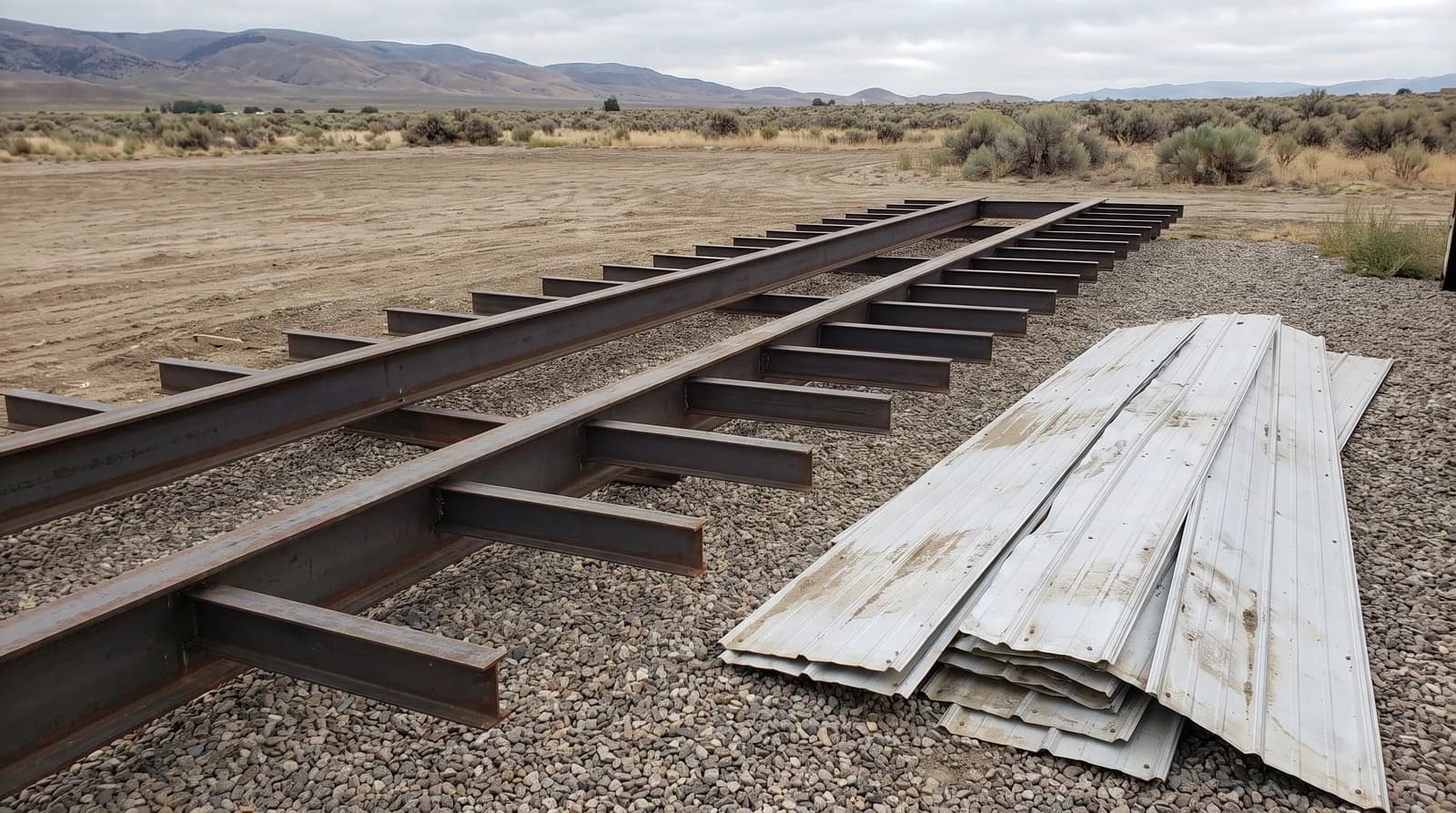
Concrete's next. Older Treasure Valley setups usually have two "runner" strips, maybe 10 inches wide, running the length of the home. Newer ones sometimes sit on a full slab.
And then the extras. Wood steps, a covered porch, a shed, the AC pad, the meter post. Those belong to the lot, not the home, so they don't leave with it.
Do you actually have to pull all of it?
No. This is where people save real money, so think it through before you sign anything.
It comes down to one question: what's happening to the land next?
If you're selling a bare lot, buyers want it flat and clean. Leftover blocks read as somebody else's problem, and that shows up in the offer.
Setting a new manufactured home in the same spot changes the math completely. Plenty of that pier work and concrete gets reused, and tearing it out is money lit on fire.
Putting up a garage or a shop? Your contractor almost certainly wants the whole footprint scraped down to dirt.
We've left runner pads in place because a new home was showing up six weeks later. No problem. We've also pulled every last anchor for someone converting the lot to pasture, since a steel auger and a mower blade make a bad combination.
Just decide before the crew shows up. Adding scope mid-job always costs more than including it up front.
What the cleanup costs after mobile home demolition
Rough numbers from jobs we've actually run. Your lot will have its own quirks, but this gets you in the neighborhood.
| What's left | Typical Boise-area cost |
|---|---|
| Skirting, pier blocks, tie-down anchors | $400 – $900 |
| Concrete runner strips (single or double-wide) | $600 – $1,600 |
| Full slab, roughly 1,200 sq ft | $2,500 – $5,000 |
| Wood steps, porch, or small deck | $300 – $800 |
| Backfill and rough grade | $500 – $1,500 |
Concrete is the swing factor. Thickness matters and rebar matters more — a 4-inch unreinforced runner breaks up fast, while a 6-inch reinforced slab takes bigger equipment and a lot more hours.
One thing working in your favor: clean concrete has somewhere to go around here. Western Recycling takes it and crushes it into road base instead of it getting buried at the Ada County landfill, which trims the disposal side of the bill.
Steel anchors and frame metal head to scrap, which helps too. We broke that part down in our post on whether the scrap metal cuts your cost.
And if there's usable furniture or household stuff still in the home, say so early. That can go to Idaho Youth Ranch instead of riding to the landfill on your dime.
Getting the lot usable again
Here's what pulling piers and anchors actually leaves you with: holes. Not big ones, but three dozen of them.
Walk away at that point and the lot looks like a gopher convention. First rain, every one of them turns into a puddle.
A decent crew backfills as they go, then rough grades so water runs away from the old home site instead of toward it. On a flat Nampa lot that's twenty minutes with a skid steer. On a slope it takes longer and might need imported fill.
Worth sorting out before demo day:
- Where the septic tank, well, and any buried propane line sit
- Whether the utility disconnects are finished and signed off
- What's going on the lot next, since that decides how deep you scrape
- Whether the county wants a final inspection to close the permit
That utility piece trips people up constantly, and it's the one thing that can stall a job cold. We wrote a whole piece on handling the disconnects first if you haven't started on that yet.
The bottom line
The home itself is maybe 60 percent of the job. Skirting, blocks, anchors, and concrete are the other 40.
How much of it comes out should depend on your plans for the land, not on habit. Yes, we'd happily quote the full scrape. But if a new home is going back in the same spot, leaving the pads is the smarter call, and we'll tell you that.
Either way, get the scope in writing before the machine rolls off the trailer.
Want a real number for your lot? We handle mobile home demolition across the Treasure Valley, and we're happy to come look and talk it through. Give us a call at (208) 593-2877.
Need Help With Mobile Home Demolition?
Top Shelf serves Boise and the Treasure Valley with professional junk removal, cleanouts, and demolition services.