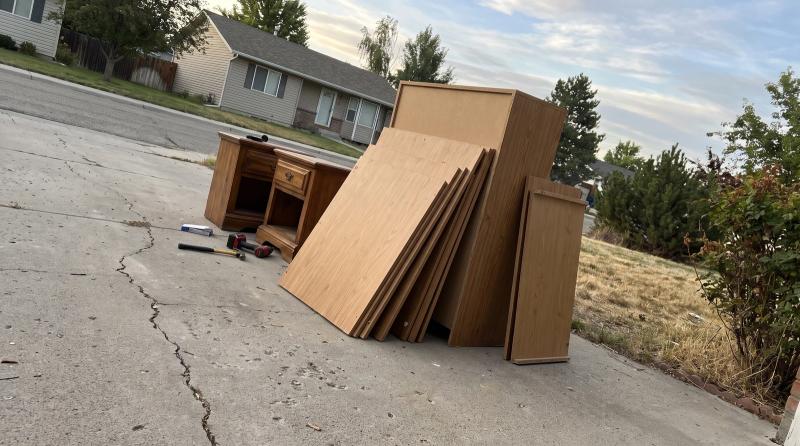

What Happens to Your Junk After We Pick It Up?
By Eric Hinderager, owner of Top Shelf Junk Removal and Demolition · Updated
What happens to your junk after pickup? Learn how a load gets sorted into donations, recycling and landfill, plus what junk removal crews won't take.
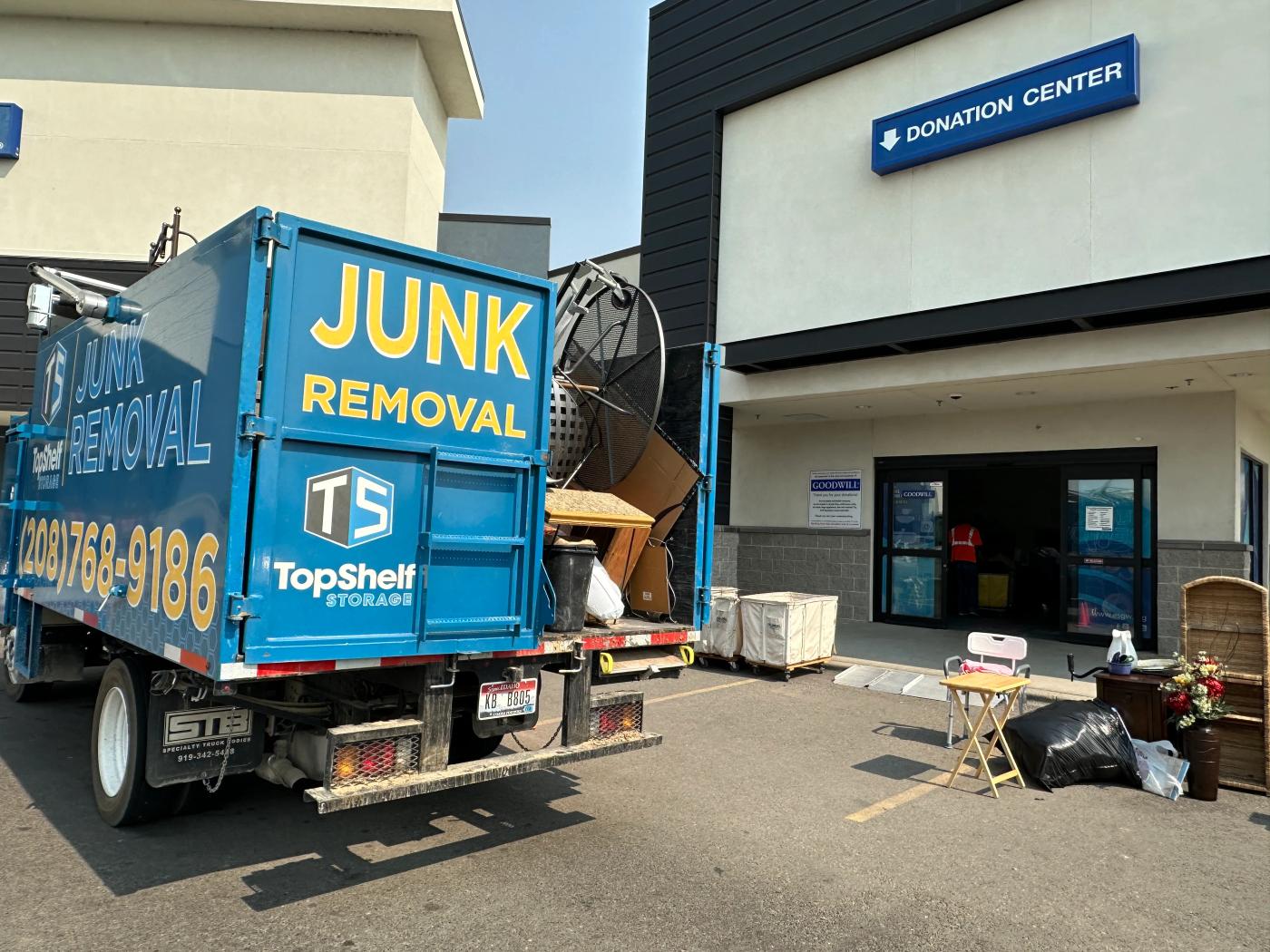
What happens to your junk after a junk removal pickup comes down to one step: sorting. Each piece goes to donation, recycling, or the landfill. The landfill is the last choice, not the first.
It's a fair question to ask before you book. When a crew drives off with your old couch, broken appliances and random stuff, where does it all go? Here's what actually happens.
What Happens to Your Junk After Pickup?
Step 1: Sorting the Load
After a pickup, everything gets sorted. This is where the magic happens. Well, not magic exactly, but definitely effort.
Old furniture, broken items, boxes of clutter: it all counts as junk until it's sorted. Think of it as a small sorting facility for junk. A load generally splits into four groups:
- Donation-worthy: Still works, clean, usable
- Recyclable: Metals, some electronics, cardboard
- Salvageable parts: Working parts from junk that doesn't work
- True garbage: Broken, worn out, or past saving
This takes time, but it's worth it. Much of what we pick up gets donated or recycled instead of going to the landfill.
Good sorting is what separates careful junk removal from a truck that just dumps everything. Ask any junk removal company you call what it does with a load. A clear answer is a good sign.
Donations: Where Usable Things Go
Working things find new homes. Common donation spots around Boise include:
Idaho Youth Ranch: Furniture, household goods, clothing. They run thrift stores and use the money to help at-risk youth.
Goodwill: Electronics, small appliances, housewares. They also run job training programs.
Habitat for Humanity ReStore: Building materials, cabinets, fixtures, tools. These go to home repair and building projects.
Salvation Army: Furniture, appliances, general household goods.
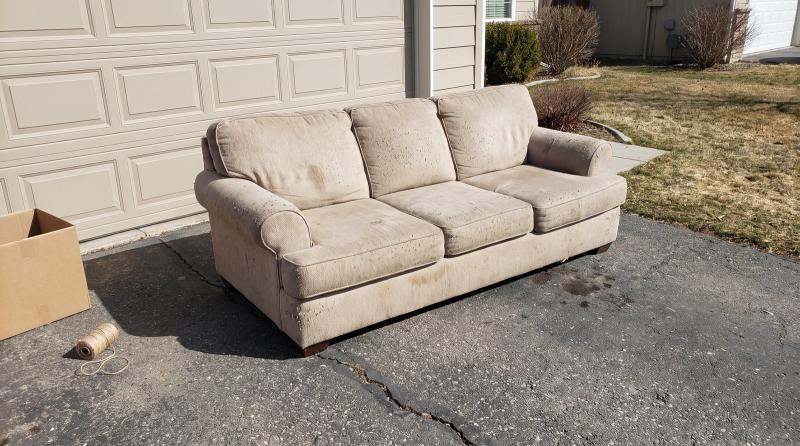
Not everything can be donated. It needs to be clean, working and safe. A couch with pet stains? That's not going to a donation center. A couch that's just outdated? Often, yes.
Each charity sets its own rules, and those rules can change. Some thrift stores also run their own pickup services, but they tend to be picky about condition. That's why junk gets checked again at sorting, even if it looked fine in your garage.
Recycling: Metals, Electronics, and More
Idaho has decent recycling options. Local plants and yards generally take:
Scrap metal: Refrigerators, appliances, car parts, bed frames, and anything metal. The metal gets melted down and reused.
Electronics (e-waste): Computers, TVs and monitors hold useful materials, and some hazardous ones. Certified e-waste recyclers pull out the good parts. Then they safely get rid of the rest.
Cardboard and paper: This one is simple. Local plants process cardboard so it can be used again.
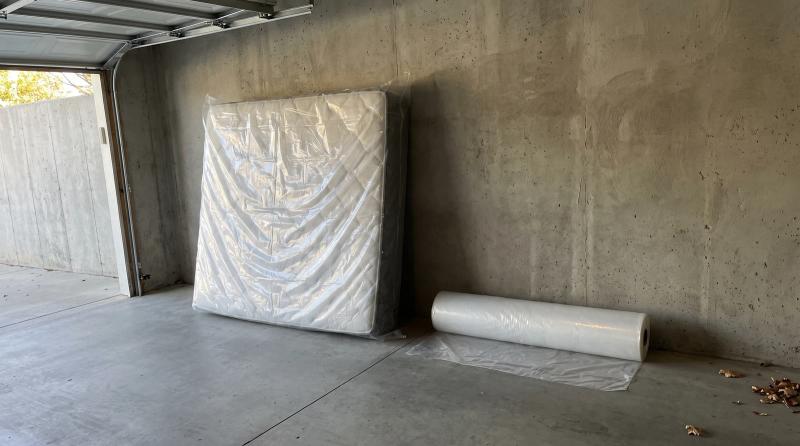
Mattresses: Some can be recycled. The springs, foam and fabric get pulled apart and handled on their own.
This is why appliance removal and metal recycling go hand in hand. If an old fridge can't be donated, it is sent to the scrap yard instead of a hole in the ground. The same goes for e-waste. Once it's sorted out of the load, it is sent to a recycler that knows how to handle it.
Yard waste is its own stream. Branches, leaves and clippings can often go to compost instead of the trash. Construction debris can work the same way. Clean wood and metal can sometimes be pulled out and reused.
| Where it goes | Common examples | What happens next |
|---|---|---|
| Donation | Working furniture, housewares | A new owner gets to use it |
| Recycling | Scrap, e-waste, cardboard | Broken down into new material |
| Salvage | Working parts from broken junk | Used to fix other things |
| Landfill | Broken, mixed or worn-out junk | Buried for good |
What Happens to Your Trash at the Landfill?
Yes, some stuff does end up at the local landfill. We're honest about that.
But it's the stuff that truly can't be reused or recycled:
- Broken furniture beyond repair
- Mixed materials that can't be pulled apart
- Junk too worn or damaged to donate
- Certain plastics and composites
Once trash is buried in a landfill, it stays there. Foam and plastic break down very slowly. A couch you donate could be in someone's living room soon. A couch that gets buried? It stays there.
The Environmental Impact
The average American household throws away a lot every year. A good share of it ends up in landfills when it doesn't need to.
By sorting and donating, junk removal companies like ours can cut down what goes in the ground. It takes more effort than dumping everything, but it's the right thing to do.
A rented dumpster works differently. What you toss in usually heads to the landfill together, since it usually isn't sorted. With junk removal, the crew loads it and sorts it. That sorting step is the big difference.
What Will Junk Removal Not Take?
Most junk removal services won't haul hazardous waste. That means things like paint, motor oil, fuel, pool chemicals and pesticides. These need special handling that a regular load can't give them.
Top Shelf doesn't take medical or regulated waste. If sharps turn up during a job, they're set aside for the owner, not hauled.
For household hazardous waste, Ada County runs drop-off services. Check their current hours and rules before you go.
Most other junk is fair game: furniture, appliances, mattresses, electronics, boxes and general clutter. Not sure about something? Ask before the crew shows up. It saves time on the day of your junk removal.
A few common mistakes slow things down:
- Leaving paint cans or gas jugs mixed into a pile
- Bagging trash and donations together
- Forgetting to pull out papers, photos or keepsakes you want to keep
Keep your junk in one spot and the hazardous stuff off to the side. Telling the crew about anything odd up front keeps the removal moving. It also makes sorting faster for everyone.
Frequently Asked Questions
What happens to junk from an estate cleanout?
An estate cleanout often has a lot of good, usable stuff. It helps if the family picks out what they want first. Junk removal and cleanout services can work around that, then sort the rest with donations pulled out before the landfill.
Does sorting change the price?
Junk removal pricing usually depends on a few things: how much space the load takes up, how heavy it is, how easy it is to reach, and what kind of disposal it needs. Ask any company how its pricing works before you book. A free estimate is the simplest way to know.
Are office and business loads sorted the same way?
Yes. Commercial loads like old desks, shelving and boxes go through the same sorting. Commercial cleanouts often have lots of cardboard and metal furniture, and much of that can be recycled.
Can I ask where my things will end up?
Yes. Mention it when you schedule, or call (208) 593-2877. We're happy to explain where your junk is likely to go.
Related reading: Junk Removal in Boise: Old Lawn Mowers, Grills and Yard Tools and Junk Removal Estimate in Boise: What the Walkthrough Covers.
Whether it's one couch or furniture removal for a whole house, we'd be glad to help. Our Junk Removal and removal services cover homes, garages, rentals and more, with sorting built in. Reach out for a free estimate when you're ready.
Need Help With Furniture Removal?
Top Shelf serves Boise and the Treasure Valley with professional junk removal, cleanouts, and demolition services.