
Home Renovation Debris: A Simple Guide to Construction Debris Removal
By Eric Hinderager, owner of Top Shelf Junk Removal and Demolition · Updated
Learn how to handle home renovation debris: dumpster vs. haul-away vs. DIY, what moves the cost, where drywall and wood can go, and what to sort first.
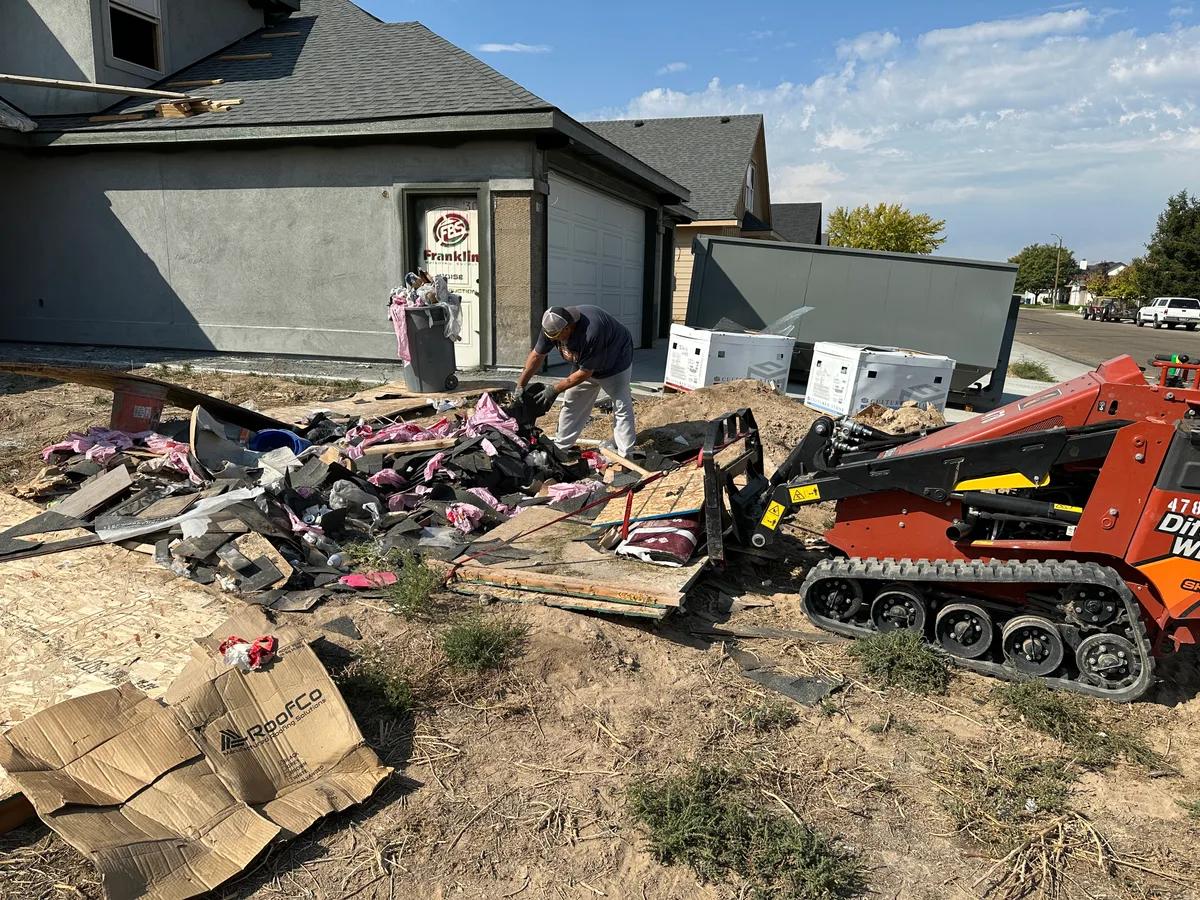
Handling home renovation debris comes down to three choices: rent a dumpster, hire a crew to haul it, or take it to the dump yourself. The right pick depends on how much you have and how heavy it is. It also depends on how soon you want it gone.
Below is how each option works, what to sort first, and where the different pieces can go.
How to Handle Home Renovation Debris
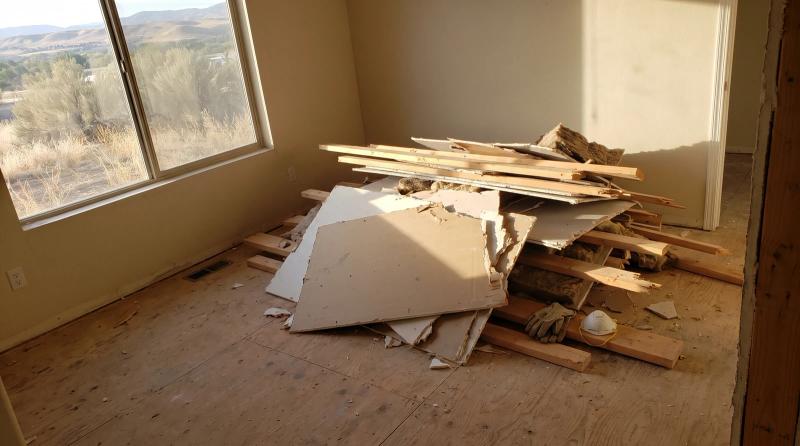
The new kitchen or bath is done. But the leftover mess that comes with it is still sitting out front. Old cabinets, torn-out flooring, broken tile and bags of drywall scraps can make your driveway look like a construction site.
Start by sorting the debris. It makes every option below easier. It can also lower what you pay.
- Split heavy materials like tile, concrete and plaster from light stuff like carpet, boxes and insulation.
- Pull out anything worth reusing, like cabinets, doors or leftover boxes of tile.
- Bag loose scraps. Pull or bend nails so nobody steps on them.
- Keep paint cans, solvents and other chemicals in their own spot.
- Clear a path from the pile to the street.
Quick tip: Tearing out drywall or old plaster kicks up a lot of dust. Open windows, run a fan and ventilate the space before you start bagging it up.
What Kinds of Construction Debris Come Out of a Remodel?
Not all renovation waste is the same. That matters for waste disposal. Most construction debris from a remodel falls into three groups.
Heavy materials:
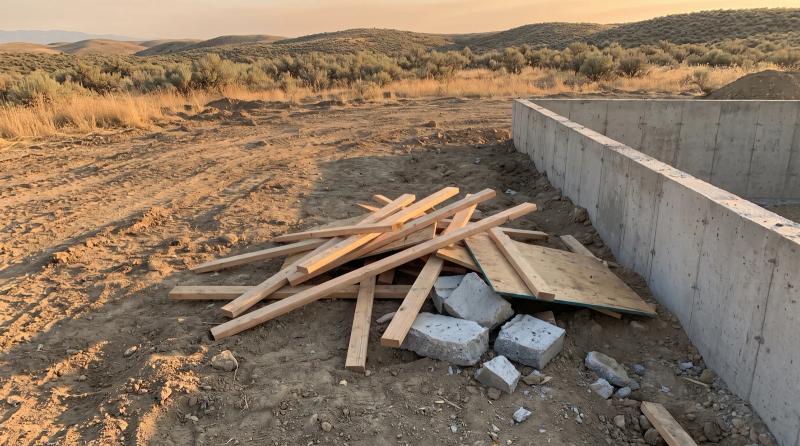
- Concrete, brick and stone
- Tile and ceramic
- Old countertops, mostly granite or solid surface
Bulky materials:
- Drywall and plaster
- Wood framing and trim
- Old cabinets and vanities
- Doors and windows
Mixed waste:
- Carpet and padding
- Vinyl and laminate flooring
- Insulation
- Boxes and wrap from new materials
Each type may need a different place to go. Concrete may go to one spot and clean wood to another. Mixed waste goes to the landfill.
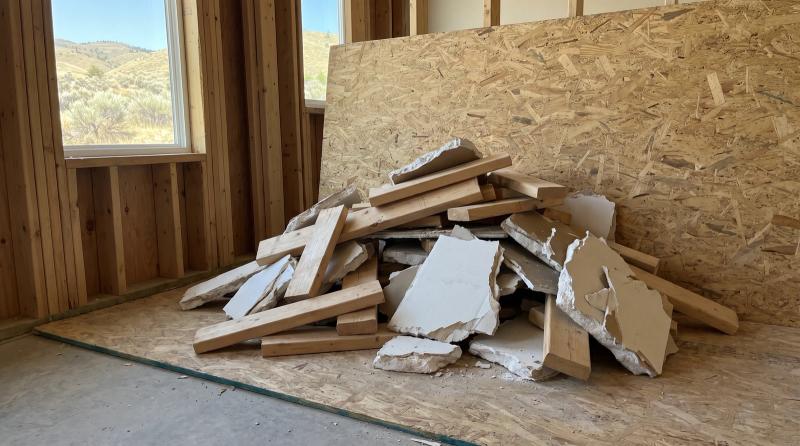
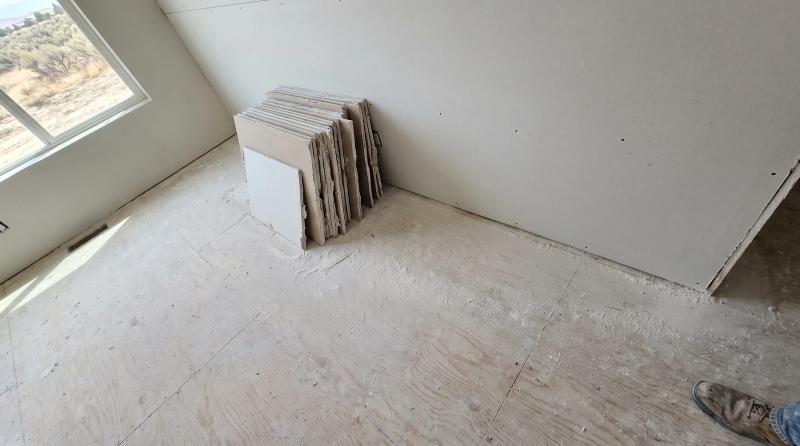
Drywall – often a big share of the pile – gets heavy when it's wet. It also crumbles when you move it. Even small jobs like patching walls leave a few bags behind.
Tile removal and cabinet removal tend to make the biggest piles. Demo jobs pile up more than most people expect. Once the cabinets, tile and subfloor come out, you've got a lot of debris fast.
What Are Your Cleanup Options?
There are three main ways to deal with remodeling waste. Each one fits a different kind of job.
Option 1: Dumpster Rental
You rent a roll-off and fill it up. The company hauls it away when you're done. It's a common pick for projects that run for weeks.
Pros:
- Good for long projects
- Fill it at your own pace
- Common roll-off sizes run from 10 to 40 yards
Cons:
- Needs room on your driveway or yard
- Rental fees add up the longer it sits
- Weight limits can surprise you, since renovation debris can be heavy
- HOAs may limit where it can sit
Option 2: Professional Debris Removal
A professional junk removal crew comes out, loads everything and hauls it off. There's no dumpster parked in your driveway for weeks.
Small demo jobs pile up faster than you'd think. That's often when a crew makes sense.
Pros:
- No heavy lifting on your part
- No driveway space needed
- Handles items that are heavy and awkward to move, like old vanities and cast-iron tubs
- Materials can get sorted for recycling
Cons:
- Can cost more than a dumpster on very large jobs
- You'll need to set a pickup time with the junk removal company
Good to know: We haul drywall, cabinets, tile, carpet and other non-hazardous construction materials. Wet paint, solvents and chemicals go to a household hazardous waste site instead.
Option 3: Haul It to a Transfer Station Yourself
Rent or borrow a truck and load up. Then drive it to the county landfill or a transfer station.
Pros:
- Lowest cost if your time is free
- Full control over when it happens
Cons:
- Big projects take several trips
- Landfill fees add up with every load
- It's hard physical work
- Your truck takes a beating
Your regular trash cart isn't built for this, either. Your municipal waste service picks up household trash, not a room's worth of tile. Some landfills also want construction waste kept apart. Ask before you head out.
| Option | Best for | Watch out for |
|---|---|---|
| Dumpster rental | Long projects you fill over time | Weight limits and driveway space |
| Professional debris removal | One-time loads and heavy items | Setting a pickup time |
| DIY hauling | Small loads and a truck you already have | Extra trips, fees and a sore back |
Who Should Handle the Debris: You or Your Contractor?
If you hired a contractor, cleanup and removal should be in the contract. Check your paperwork.
Many contractors list cleanup services in their bid. If yours didn't, bring it up before the project starts. Don't wait until after.
Some homeowners do parts of a renovation themselves. The waste that's generated by your own work is usually yours to deal with, not the contractor's.
That's where construction debris removal can help. We haul construction debris from DIY remodels, garage cleanouts or demolition projects.
Recycling at a Local Recycling Facility
A lot of the materials renovation leaves behind doesn't have to go to the landfill:
- Clean lumber: Reuse stores like Habitat for Humanity ReStore may take usable wood
- Metal: Scrap yards take old pipes, ductwork and fixtures
- Concrete and brick: Can be crushed and reused as road base
- Cabinets and fixtures: Donation centers may take them if they're in good shape
- Cardboard and packaging: Curbside recycling, or a local recycling facility for big loads
Each place has its own rules on what it takes. Some want things sorted a certain way. A quick call first saves a wasted trip.
We sort loads during cleanup to keep as much out of the landfill as we can. Proper disposal matters, and so does keeping good items in use.
What Moves the Cost Up or Down?
For a kitchen or bath renovation cleanup, a few things drive what you'll pay:
- Volume: how much space the load takes up in a truck or dumpster
- Weight: tile, concrete and plaster get heavy in a hurry
- Access: removal from a basement or up a flight of stairs takes more work than a pile in the garage
- Sorting: mixed piles can take longer to handle than a pile that's already split up
- Time: a rented dumpster costs more the longer it sits
Whole-house remodels make more waste. The cost grows with it. When you compare junk removal services, ask what goes into their quote. A free estimate from a professional crew tells you where you stand.
Why You Shouldn't Let Bulky Debris Sit
Try not to let a pile sit for weeks. Rain soaks into open piles of debris fast. Wet drywall turns to mush. Wood soaks up water and gets heavier.
Neighbors get annoyed, too. Some cities have rules about how long a pile can sit on a property.
Heads up: A dry pile of scrap wood, cardboard and insulation is a fire risk, mostly in the hot months. Keep it away from the house and the grill. Don't burn construction waste, either. Painted and treated wood doesn't belong in a fire pit.
Plan removal before you start the next room. It's easier to remove debris while you still have momentum. Then you can get back to improving the rest of the house.
Frequently Asked Questions
Can you dump stuff at Home Depot?
No. Home Depot isn't a dump. Tossing remodeling waste in a store's dumpster can count as illegal dumping. Some stores take a few small things for recycling, like certain batteries, so ask your local store.
Do you haul construction waste from DIY jobs?
Yes. We haul construction debris from DIY projects and contractor jobs, as long as it's non-hazardous construction waste. We don't take medical or regulated waste.
Where can I drop off old drywall and lumber?
You can drop mixed drywall scraps at the landfill. Clean, usable wood may go to a reuse store like the ReStore. Call first to see what they take. If you'd rather skip the trip, we haul drywall and scrap wood too.
Is a dumpster or a junk removal crew better?
It depends on the job. A dumpster fits a long project you'll fill over time. A professional junk removal crew fits a one-time load you want gone without lifting it yourself.
Need a Hand With the Cleanup?
Related reading: Junk Removal Boise Prices: What Your Quote Actually Includes and Junk Removal in Boise: Old Lawn Mowers, Grills and Yard Tools.
If you'd rather not haul it yourself, Top Shelf Junk Removal handles construction debris removal around the Treasure Valley. Call (208) 593-2877 for a free estimate.
Need Help With Construction Cleanup?
Top Shelf serves Boise and the Treasure Valley with professional junk removal, cleanouts, and demolition services.