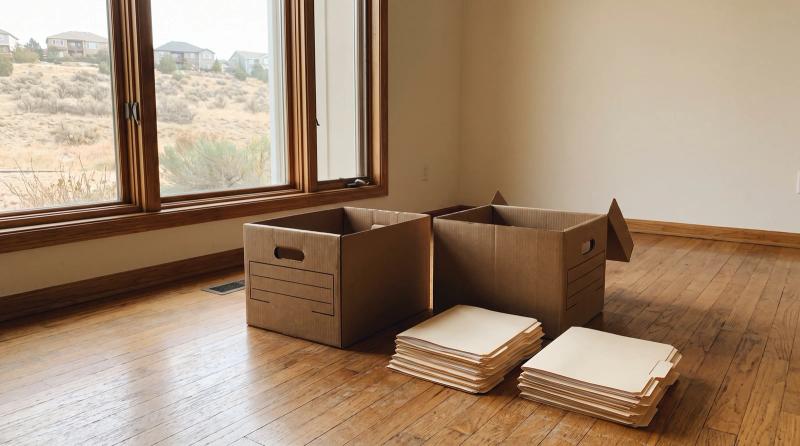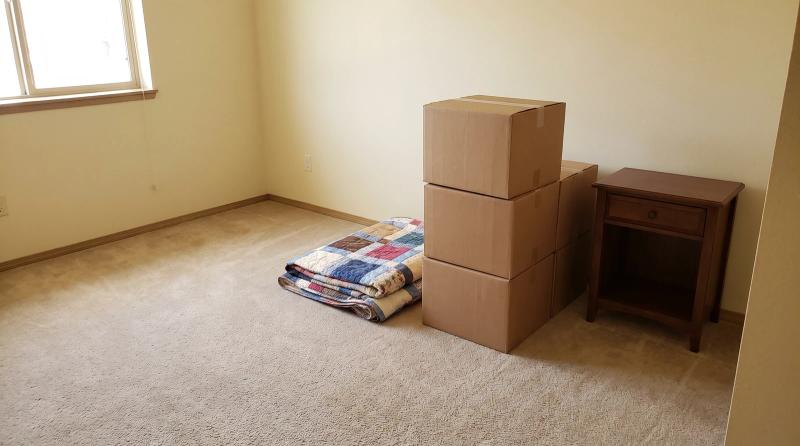

Can You Empty a House Before Probate? Idaho Estate Rules
By Eric Hinderager, owner of Top Shelf Junk Removal and Demolition · Updated
Can you empty a house before probate in Idaho? Learn what trash and junk can go early, which assets must wait, and how the probate process affects a cleanout.
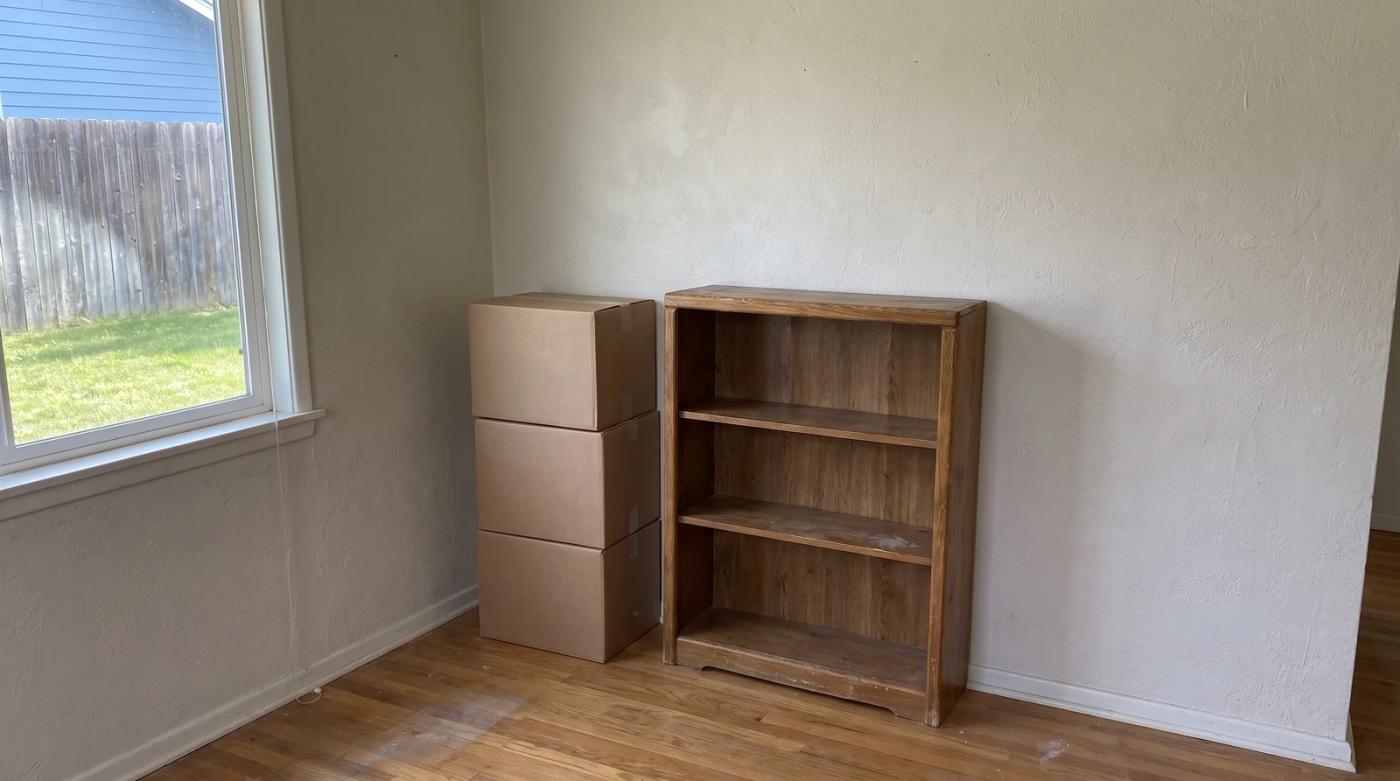
The short answer to "can you empty a house before probate" in Idaho is yes for trash and junk, but not for assets with value. You can clean, secure the property, and haul out junk early. Selling or giving away estate property should wait until the court gives someone the legal right to act.
The rules aren't as scary as they sound. But there are a few real ones worth knowing before you start filling bags.
Can You Empty a House Before Probate in Idaho?
Usually, yes, at least in part. It depends on who you are and what you're touching.
Probate is the court process that confirms who has legal authority over the estate. In Idaho that person is called the personal representative. Plenty of folks still say "executor," and you'll also hear "estate executor." Until the probate court names one, nobody has the green light to sell or hand out property from the deceased estate.
That sounds like it means don't touch anything. It doesn't.
So can you clear a house before probate is granted? You can clear the junk. But the home and its assets still belong to the estate until the court acts. Real estate, bank accounts, and other assets are all estate property the representative will list and manage.
You're allowed to clean, sort, lock up, and haul away obvious trash. A broken recliner or a garage full of old paint cans rarely causes a dispute. What you want to hold off on is any sale or gift of estate assets that have real value. Those actions need the court's okay first.
Heads up: The line isn't "old" versus "new." It's "trash" versus "asset." A rusted lawnmower is junk. A ring, a coin jar, paperwork, firearms, and anything a family member might claim later are assets. Set those aside until the personal representative says go.
What Estate Property Can You Clear Before Probate?
Most of what fills a house isn't a valuable asset in the legal sense. It's just stuff. Letting it sit while the probate process moves along helps nobody, especially if the mortgage and utilities are still running.
Here's the kind of property families often clear early:
- Spoiled or perishable items like food, plus old or open toiletries
- Obvious trash, broken furniture, and worn-out mattresses
- Yard debris, dead plants, and old fencing
- Heavy items nobody wants and no one is fighting over
- Anything that's a safety or code issue, like hoarding-level buildup
Here's a simple rule of thumb. If you'd be fine explaining the choice to every heir at the dinner table, you're probably okay. If a sibling might raise an eyebrow, wait. These are judgment calls, not legal rules.
Taking care of the property counts too. Lock the doors, keep the heat on in winter, and keep the yard tidy. These small actions protect the real property while the estate is open. They're also the kind of care a family member can usually take without court approval.
Here's how the main types of property usually line up:
| What it is | Before probate | After a personal representative is named |
|---|---|---|
| Trash, spoiled food, junk | Usually fine to clear | Fine to clear |
| Furniture with little value | Usually fine if no heir objects | Donate, keep, or haul |
| Jewelry, cash, firearms | Box up and store | Handed out under the will or court order |
| Cars and other titled assets | Leave in place | Transferred or sold through the estate |
| The house itself (real estate) | Can't be sold yet | Can be listed with legal authority |
Good to know: Small estates in Idaho can sometimes skip full probate with a small estate affidavit. That shortcut is generally for personal property, so real estate may still need to go through probate. Ask the estate attorney which path you're on before you plan the cleanout.
Which Estate Assets Should Wait?
This is the part of probate people get wrong, usually with good intentions.
Say someone finds a box of jewelry and hands it to a cousin "because Mom would've wanted her to have it." Later, another sibling asks where it went. Now there's a fight that could have been avoided.
Until a personal representative is in place, don't hand out, sell, or donate anything with value. That includes:
- Jewelry, collectibles, cash, and firearms
- Vehicles and other titled property
- Bank papers, wills, deeds, and tax records
- Anything an heir has asked about by name
Box up that property, label it, and store it somewhere safe in the house. Tax papers matter more than most people think. The representative may need them to file a final tax return for the person and any tax return the estate owes.
Other mistakes are easy to make during the process. People pay estate bills from their own pocket and lose the receipts. A relative takes something "just for now." Someone tosses mail that holds a bank or tax notice. Each of those actions can slow down the probate process later.
Quick tip: Take photos of each room before anything leaves. Photos give the heirs and the representative a simple record of the personal belongings that were in the house.
During an estate cleanout, it helps to flag anything that looks like it belongs in the keep pile instead of the truck. If you're not sure about an item, set it aside and ask. You'd rather answer one extra question than lose track of something that mattered.
Estate Administration and When You Can Clear Everything
Right after someone passes, you can secure the property, toss the trash, and clear out spoiled food. Keep your hands off valuables, papers, and titled property for now.
Once those first few days are behind you, a general cleanout of junk and debris is usually fine. Gifts and sales of valuable property still need to wait.
In Idaho, the process starts when someone files a probate case in the county where the person lived. Some estates go through informal probate, which is simpler. Others need formal probate in front of a judge, often when there's a dispute. Either way, the court has to name a representative before anyone has the power to move estate assets.
After the court appoints a personal representative, that person has the legal power to act. Their legal actions answer to the court. That opens the door to a full cleanout, donations, and getting the real estate ready to list. Estate administration covers the rest of the job, like paying debts, filing taxes, and passing assets to the heirs.
How long the probate process takes depends on a few things. The county court's schedule matters. So does whether anyone contests the will, and how many assets and debts the estate has. A small, simple estate tends to move faster than one with a business or real estate in more than one county.
None of this is legal advice. Probate rules and forms can differ by county, so check with an attorney about your family's estate.
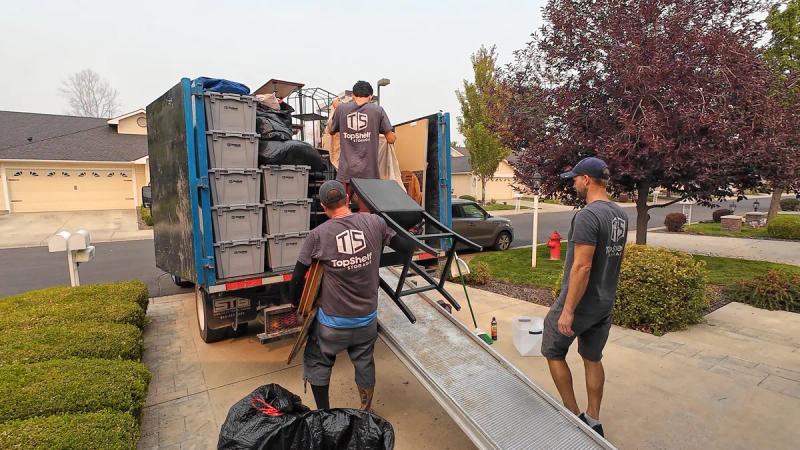
When the house is ready to clear, not everything has to end up in the landfill. Much of what gets hauled out can be donated or recycled, and the rest goes to the county landfill. What a full-home cleanout costs depends mostly on volume. How heavy the items are and how easy they are to carry out of the house matter too.
When probate gives you the go-ahead and you want the heavy work off your plate, give us a call at (208) 593-2877. We'll walk the house with you, give you a free estimate, and clear out the rest. No pressure, and no charge to take a look.
Frequently Asked Questions
What can you do while waiting for probate?
You can lock up the property, keep the utilities on while probate is open, and clear out trash and spoiled food. Keep receipts for every bill you pay, since the estate may pay you back later.
What assets fall outside of probate?
Assets with a named beneficiary, like life insurance or many retirement accounts, often pass outside probate. So can real estate and other property held in a living trust or owned jointly with survivor rights. These are common estate planning tools, and an attorney can tell you which ones apply.
What should you avoid during probate?
Avoid any actions that move value out of the estate before a personal representative is named. Don't gift, trade, or donate anything of value. Don't throw out papers, and don't let anyone take items "just for now."
What do you do with a house full of stuff after someone dies?
The Cleanouts page covers what the service includes and how the estimate works.
Related reading: Rental Turnover Cleanout in Boise: Clearing Out Between Tenants and Cleanout in Boise: What to Do With Old Medications and Sharps.
Sort it into three piles: assets to keep for the estate, donations, and junk to haul away. Clear the junk first, then let the personal representative decide on the rest of the probate estate.
Need Help With Estate Cleanout?
Top Shelf serves Boise and the Treasure Valley with professional junk removal, cleanouts, and demolition services.