
Estate Cleanout Paperwork: Keep or Shred, Boise Executor Guide
By Eric Hinderager, owner of Top Shelf Junk Removal and Demolition · Updated
Estate cleanout paperwork, keep or shred? Boise guide to what to save, what's safe to shred, and where free shred events fit in the Treasure Valley.
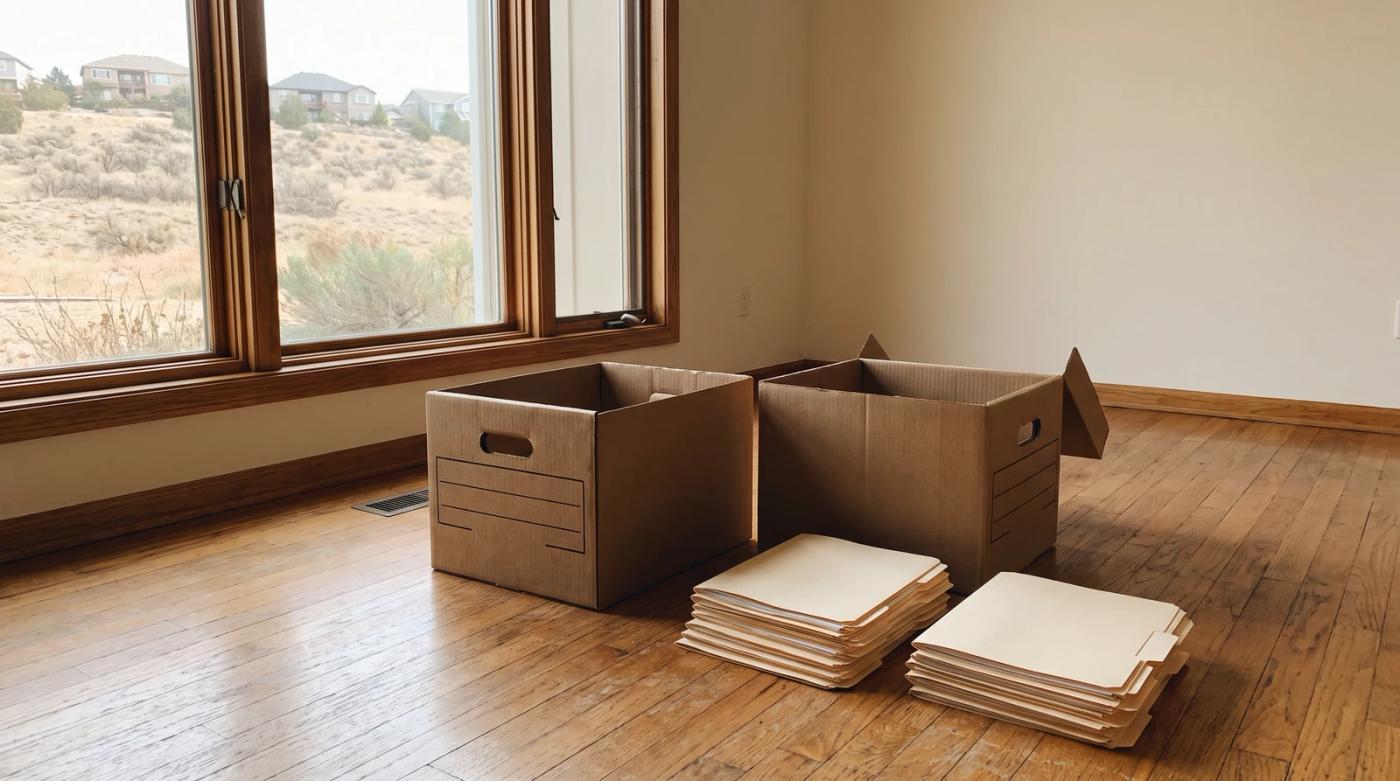
Estate cleanout paperwork, keep or shred: Boise families can settle it with one rule. Keep anything legal, tax-related or tied to an open account. Shred or recycle the rest.
The hard part is the filing cabinet. It's often the last thing anyone opens.
A family can clear most of what's in a house pretty fast. Furniture gone, garage empty, closets stripped. Then everybody stops cold at a four-drawer cabinet full of old paper. Nobody wants to be the one who threw out the deed.
So it sits.
Paperwork is the quiet hold-up in a lot of estate cleanouts around Boise. It isn't heavy, and it barely takes up room in a dumpster. But it can eat more time than the couch, the beds and the appliances put together.
Estate cleanout paperwork: what to keep or shred in Boise
Why paperwork stalls an estate cleanout
Everything else in the house is a yes or a no. A recliner is keep or toss. You know which one right away.
Paper doesn't work that way. Every page has a small "what if I need this?" stuck to it. A whole cabinet of that wears people down.
Then there's the worry about identity theft, and it's fair. A Social Security number or an old account statement shouldn't ride loose in an open dumpster or trailer to Hidden Hollow.
So folks plan to go through the files later. Later turns into months of banker's boxes in somebody's garage in Nampa.
The fix is boring, but it works. Sort by type, not page by page. You're not reading. You're just deciding which pile it lands in.
Good cleanout timing helps too. Will the house or the estate's personal property be sold? Then plan around auction timing and listing considerations before anything leaves. Get any cleanout appraisal done first. Paper has its own discarded timing. Nothing gets shredded until the estate attorney or executor says so.
What's actually worth keeping
Most of what's in that cabinet doesn't matter to the estate. A few kinds of papers matter a lot. They belong on every executor's checklist.
| Paperwork | Keep it? | How long |
|---|---|---|
| Tax returns and the records behind them | Yes | Until your tax pro says the estate is done |
| Death certificates (get several certified copies) | Yes | For good |
| Deeds, vehicle titles, property insurance policies | Yes | Until the property is transferred |
| Bank, retirement and investment statements | Yes | Until the estate closes |
| Bills, receipts, warranties, catalogs, junk mail | No | Shred or recycle now |
Heads up: Medical records and pension papers catch people off guard. There may be a VA claim, a life insurance payout or a long-term care claim. If so, leave those alone until the estate attorney or the insurer says you're clear.
Quick tip: Grab one empty banker's box and write "legal" on the side. Anything with a raised seal, a notary stamp or an account number goes straight in. No reading needed. That one box can hold a lot of what the estate attorney will ask for. It makes the rest of the job easier too.
If probate hasn't started yet, check what you're allowed to move first. We covered that in our post on an estate cleanout before probate in Idaho.
Do I need to shred old bank statements?
Yes, once the estate no longer needs them. Statements carry account numbers. They should go through a shredder, not into the recycling cart or a dumpster. Once the keep pile is set aside, here's what's safe to shred:
- Utility and cable bills that are paid and closed
- Expired insurance policies with no open claims
- Old bank statements with no tax use, once the estate's accounts are closed
- Greeting cards, church bulletins, coupon clippings, magazines
- Manuals for appliances that left the property long ago
One warning before you feed the shredder. Check inside envelopes and books.
Cash, savings bonds and stock certificates can turn up tucked in old books. Flip through old greeting cards too.
Who will shred documents for free?
Banks, credit unions and local groups host free shred events now and then across our Treasure Valley service areas. They often limit how much you can bring. So they work better for a drawer than a whole estate's worth of files.
A home shredder will handle a drawer too, but not a cleanout's worth of filing cabinets.
For a full cabinet, paid shred services around the valley often charge by weight or by the box. Cost depends on how much paper there is and whether they pick it up.
Paper with nothing private on it, like magazines and old newspapers, can go to Western Recycling or the curbside cart. Plain junk paper can ride out with the rest of the cleanout load or go in a dumpster.
While you sort, watch for useful clues. Address books and old bills show which accounts are still open. That ties into the mail and utility side of an estate cleanout.
What we actually do on an estate cleanout
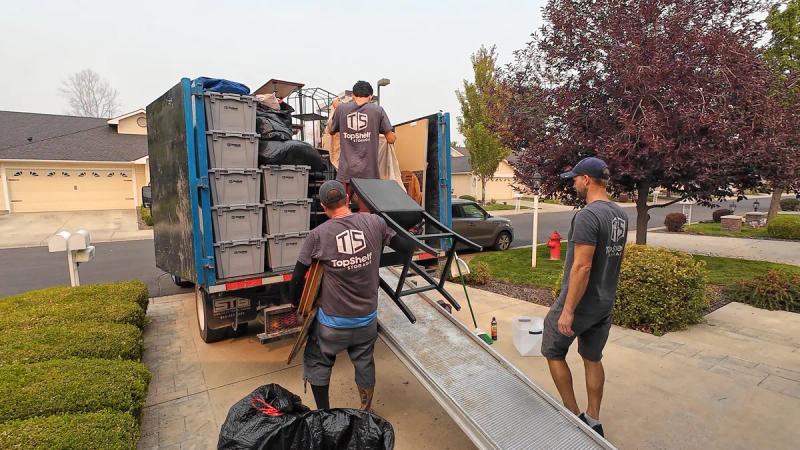
Here's where Top Shelf Junk Removal fits. We don't sort paperwork. We won't touch what's inside a filing cabinet unless you point at a box and tell us it can go.
We handle everything around it. Our estate Cleanouts cover the furniture, the garage, the shed, the basement and the closets. That leaves you a quiet, empty room for the paper side of the cleanout.
Much of the usable furniture and household goods gets donated. That's the personal property nobody in the family is keeping. The rest of the cleanout goes to the landfill or gets recycled.
An estate cleanout is easier in that order. Heavy stuff first, paper last, and no dumpster sitting in the driveway. Want the sorted shred pile hauled off with everything else? Say the word and we'll load it.
Bottom line
Keep the estate's tax records, the legal papers and anything tied to an open claim. Shred the account statements and the old bills. Recycle what's left, and quit reading every page.
Paper is on every executor's checklist. Hauling the rest of the estate's personal property doesn't have to be. Is the house in one of our service areas? Call (208) 593-2877. We'll come out and give you a free on-site estimate for the estate cleanout before you decide anything.
Frequently asked questions
What's safe to shred from an estate?
Old bills, closed account statements, expired policies, junk mail and manuals are what's safe to shred. Hold anything legal, tax-related or tied to an open estate account until the estate closes.
Can I just rent a dumpster for an estate cleanout?
You can, but with a dumpster you do all the lifting. Private paper shouldn't go in one either. A cleanout crew loads the estate's personal property for you and keeps donations apart from trash.
Do you shred documents?
No. We haul furniture and household goods during the cleanout. Shredding goes to a shred service or a free shred event around our service areas. Sort what to keep or shred before the crew arrives.
Which towns do you cover?
Related reading: Rental Turnover Cleanout in Boise: Clearing Out Between Tenants and Cleanout in Boise: What to Do With Old Medications and Sharps.
Related reading: Rental Turnover Cleanout in Boise: Clearing Out Between Tenants and Cleanout in Boise: What to Do With Old Medications and Sharps.
Our service areas are in the Treasure Valley only. If the estate's house sits in one of our service areas, we can talk through the cleanout and set up a free on-site estimate.
Need Help With Estate Cleanout?
Top Shelf serves Boise and the Treasure Valley with professional junk removal, cleanouts, and demolition services.