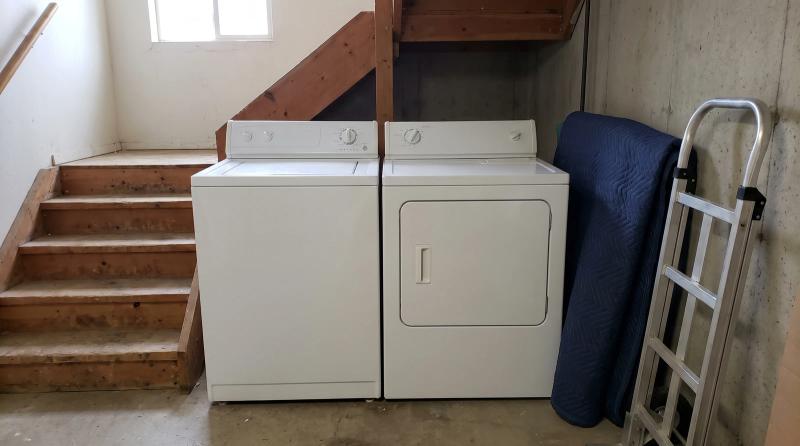

Are Old Appliances Worth Scrap Money? A Boise Homeowner's Guide
By Eric Hinderager, owner of Top Shelf Junk Removal and Demolition · Updated
Are old appliances worth scrap? Learn which parts carry copper and aluminum, why fridges cost extra, and when appliance removal in Boise makes more sense.
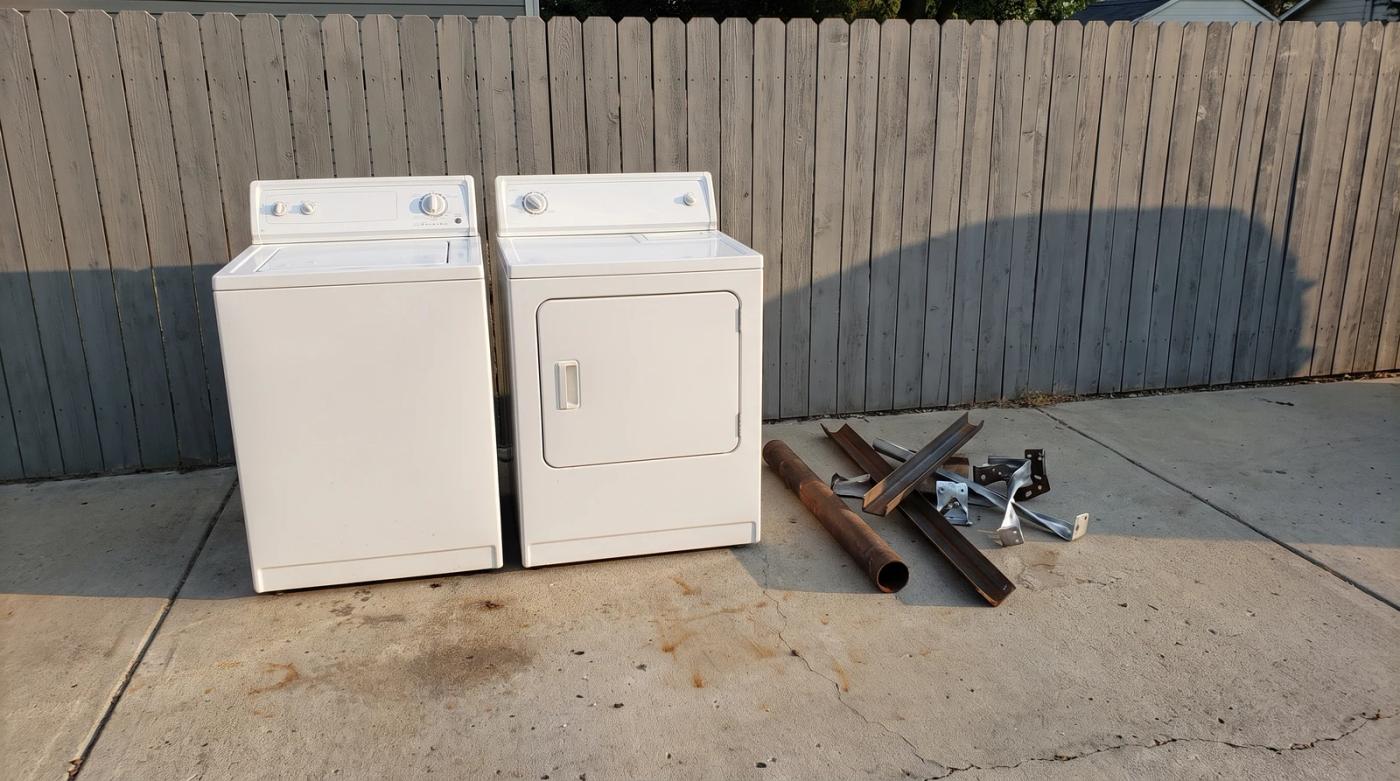
Are old appliances worth scrap? A few are, but most bring in a lot less than people hope once you count the truck, the trip and the afternoon. The steel in a dryer or range pays the least, and the copper and aluminum that do pay are only a small part of each unit.
Are old appliances worth scrap?
Most household appliances are what the trade calls light iron, or shred steel. It's the bottom rung of the scrap ladder. Copper and aluminum pay real money; a dryer shell doesn't.
Many household appliances don't have enough metal of the good kind to cover a trip on their own. A typical washing machine is a sheet-metal cabinet, a tub, a motor, a pump and a lot of plastic.
Large appliances are heavy, but a heavy pile of the cheapest grade still doesn't add up to much. Each appliance could be one piece of a good scrap load. On its own, it's usually a chore with a little cash at the end.
Which appliance parts are worth money?
Scrap yards sort metals into grades, and the grade decides what you get paid. Here's how the common parts line up:
| Part | Main metal | How it grades as scrap |
|---|---|---|
| Cabinet, door and frame | Steel | Light iron, the lowest scrap grade |
| Motor | Steel with copper windings | Often its own grade, above shred |
| Compressor | Steel shell with copper inside | Its own scrap grade at many yards |
| Condenser coils | Copper tubing, aluminum fins | Higher grade once cut clean |
| Power cords and wiring | Copper | Insulated wire grade |
| Inner tub | Stainless steel | Can grade above plain steel |
The most valuable things in a typical unit are the copper and aluminum pieces. Those are the valuable materials a buyer actually pays for, and they're small. Pulling them out takes tools, time and care around sharp sheet metal.
That's why a garage full of dead units can look like a gold mine. Really it's a treasure trove of steel, the cheapest of the metals on the scale.
What has copper in it to scrap?
Look for anything with a motor, a compressor or coils. Old air conditioners are an excellent source of copper and aluminum, since window units and outdoor condensers carry copper tubing and aluminum fins. That's a big reason air conditioners are such a common sight at metal recycling yards.
Other places it hides around the house:
- Motors in washing machines, dryers and dishwashers
- Power cords and the wiring inside nearly every unit
- Compressors and coils in refrigerators
- Brass and copper fittings on water heaters
Dehumidifiers are worth checking, too, since they carry a small compressor and copper coils. Working dehumidifiers are worth more to a buyer than as scrap, though, and they hold refrigerant, so the same rules apply as with a fridge.
Small household appliances can be taken to metal recycling too, but toasters, blenders and coffee makers rarely hold enough copper or aluminum to make them worth scrapping. Most of their weight is plastic, which is worth nothing as scrap.
Heads up: Anything with a sealed refrigerant system (refrigerators, freezers, window AC units, some dehumidifiers) has to have the refrigerant recovered by a certified tech before it can be shredded. Many yards won't take one without proof, and some charge a fee to handle it.
Will scrap metal prices go up in 2026?
Nobody can promise that. Scrap prices follow the bigger markets for steel, copper and aluminum, and those move with building, manufacturing and trade. A yard can only pay what its own metal buyers pay it.
Rates also vary from one scrap yard to the next. Western Recycling and Pacific Steel both run metal recycling yards, and rates change often enough that it's worth a phone call the morning you go.
Quick tip: Ask how the scrap yard grades what you're bringing before you load it. Scrap pricing for a clean copper coil is very different from one still bolted to a frame, and clean aluminum beats aluminum with screws left in it.
What a scrap run actually nets you
Now subtract the trip. An old dryer is heavy, awkward, and has nothing resembling a handle. You need a truck or a trailer, a dolly, a couple of straps, and a second person who owes you a favor.
The drive eats whatever the scrap paid: the weigh-in line, the fuel, the tailgate scrape you didn't plan on.
Net a little scrap money on a dryer after all that and you didn't really make money. You bought yourself a chore.
The trip pays when you're already going: trailer hooked up, several units out of a remodel, and the scrap covers the run. Volume is the whole ballgame.
If you strip the copper and aluminum, sort your metals and haul full loads, you can make some serious money over time. That's a side business, though, not a garage cleanout.
There are also some home appliances that are not worth scrapping yourself at all. Fridges top that list because of the extra steps and fees they cause at drop-off.
When your old washer is worth more than scrap
Scrap is the floor, not the ceiling. If the thing still runs, you've got better options than a shred pile.
A newer working unit is often easy to sell on local marketplace listings, especially a matching washer and dryer set or anything stainless. Habitat for Humanity ReStore takes working appliances, and Idaho Youth Ranch will sometimes take smaller working items depending on which store you call.
Be realistic about a few things, though:
- If it doesn't turn on, nobody's buying it except as scrap.
- A unit that's well past its working life is scrap no matter how clean it looks.
Got a mix of working and dead units? Sell or donate what runs and send the rest to recycling.
Wherever your appliances stand on that list, almost every metal one is worth recycling. Even a dead dryer has steel that's worth money, just not much.
When paying for removal beats scrapping
People usually look into appliance removal instead of a scrap run when the problem is something a yard can't solve.
The deep freeze is in the basement. The water heater sits wedged in a crawlspace corner. Or there's a range, a dishwasher and a dead microwave all at once because the kitchen's getting redone.
Three dead units down a flight of stairs? Scrapping them yourself means hauling each one up before you even hit the road, and the mess they cause on the way out is real.
Our Junk Removal services cover the hard part: getting it out of the house without wrecking a door casing and loading it. Stairs are the big one. A water heater coming up from a basement is a two-person job.
What removal costs around the Treasure Valley
Our pricing is by volume, based on how much truck space your items take, and the on-site estimate is free. Truck space is what moves the cost, and the estimate covers the details like stairs, tight doorways and units that still hold refrigerant.
Since it's priced by space, it helps to put every item on the same estimate. A full kitchen's worth is easier to plan for all at once.
If you're buying a replacement, ask whether the store's delivery services include hauling the old one away. No reason to pay us if they're already pulling into your driveway.
As for where it all ends up, we're not just running everything to Hidden Hollow. Much of the metal goes to metal recycling, units with refrigerant go where it can be recovered properly, and anything still working goes to donation when it makes sense. That's what appliance recycling should look like.
That scrap value doesn't cover the job, since labor and dump fees outweigh it, but it's why we'd rather see old units go to a yard than a landfill.
Bottom line
One unit, ground floor, and you already own a truck? Haul it in yourself and keep the cash.
If you want a straight answer on what your pile would run, give us a ring at (208) 593-2877. We'll tell you if you're better off taking it to the yard yourself.
Frequently asked questions
How much scrap metal does it take to make a trip pay off?
It depends on the grade. Shred-grade scrap needs a full trailer before the trip makes sense, while clean copper and aluminum pay off in a much smaller pile. Sort before you go, since the good stuff is where any serious money in scrap comes from.
Which are the most valuable things inside an old unit?
Of all the appliance parts, copper wiring and coils come first, then motors, compressors and aluminum. The outer shell is the least valuable scrap by far.
Are air conditioners and fridges worth recycling?
Yes, but metal recycling places want the refrigerant recovered first, which makes them some home appliances that are not worth scrapping on your own. Scrap prices on the copper rarely cover that step for a single unit.
Should I scrap it myself or pay for removal?
Related reading: Junk Removal Boise Prices: What Your Quote Actually Includes and Junk Removal in Boise: Old Lawn Mowers, Grills and Yard Tools.
One unit on the ground floor and a truck in the driveway? Scrap it yourself. Stairs, refrigerant or several units at once, and scrapping them yourself stops making sense fast.
Need Help With Appliance Removal?
Top Shelf serves Boise and the Treasure Valley with professional junk removal, cleanouts, and demolition services.