
Washer and Dryer Removal in Boise: Getting It Up the Stairs
Washer and dryer removal in Boise gets tricky in basements. Here's how the stairs, the prep work, and the real costs play out in older Treasure Valley homes.
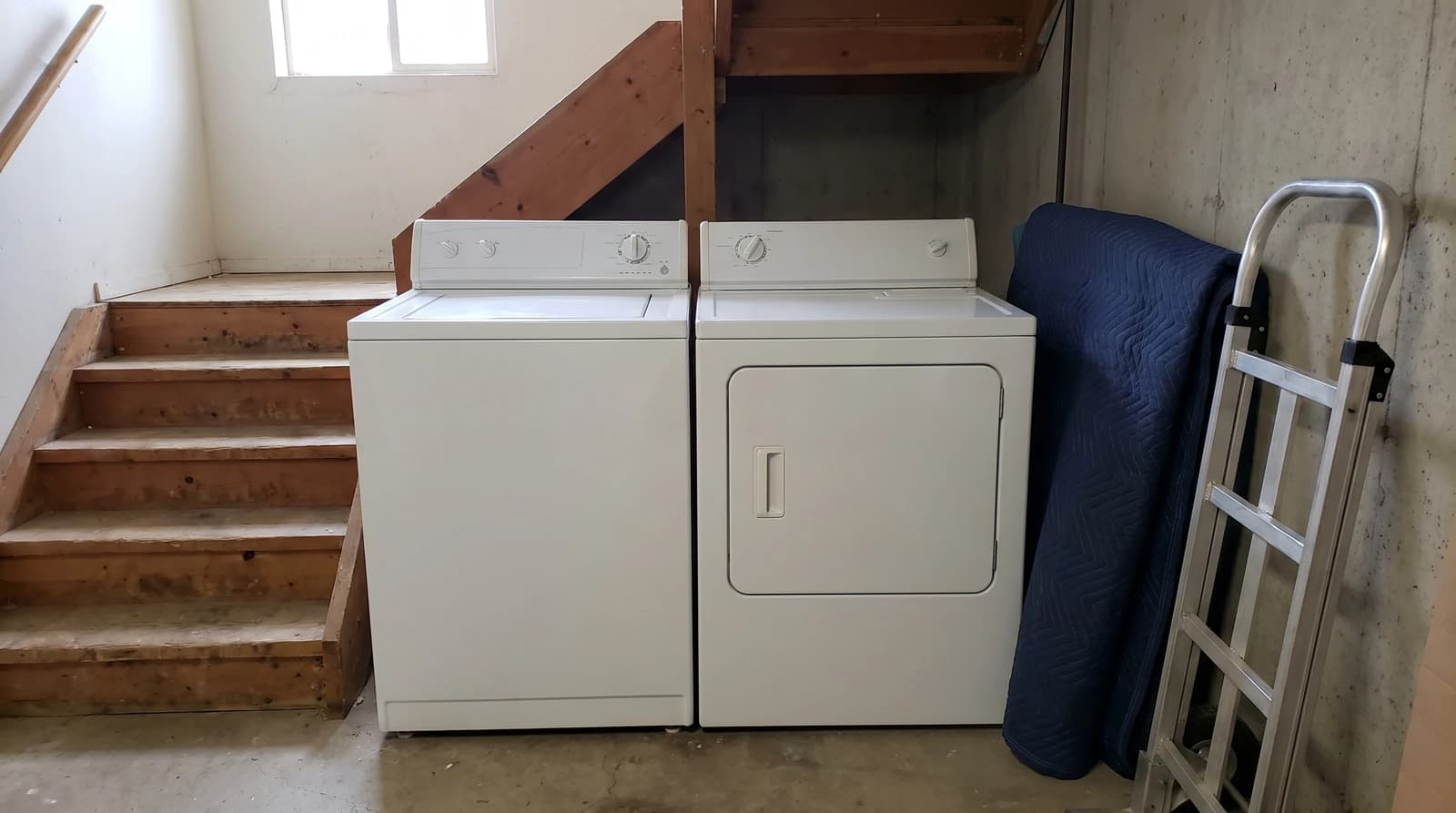
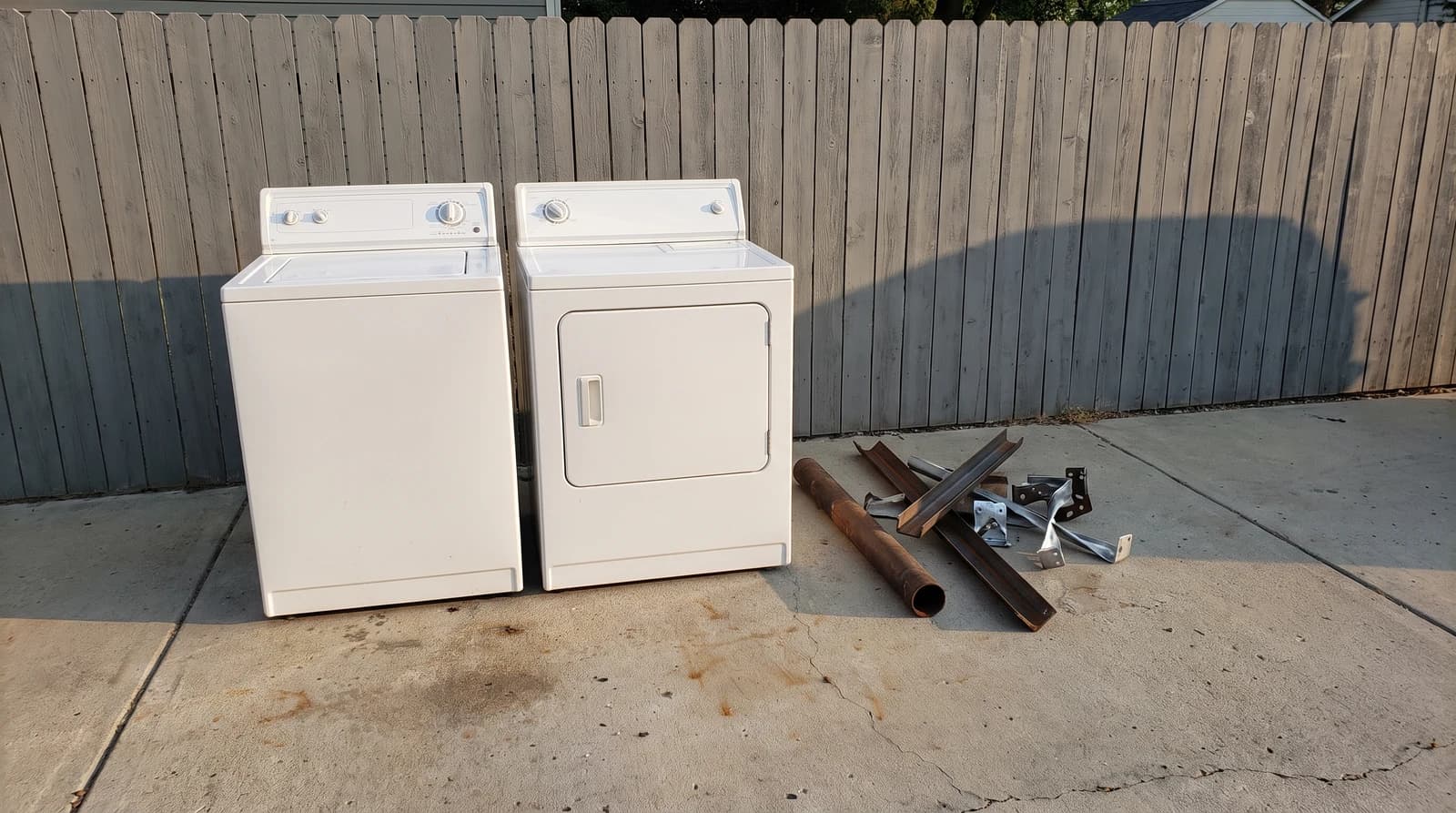
Most washer and dryer removal calls we get in Boise start the same way. The machine quit mid-cycle, it's still holding water, and it's parked at the bottom of a basement staircase somebody framed in 1962 without picturing a 200-pound appliance coming back up it.
One of our guys still talks about a house near Hyde Park. The stairs were 28 inches wide with a hard left at the bottom, and that front-load washer went down there in 2011 with three people and a lot of patience. Getting it back out took about the same.
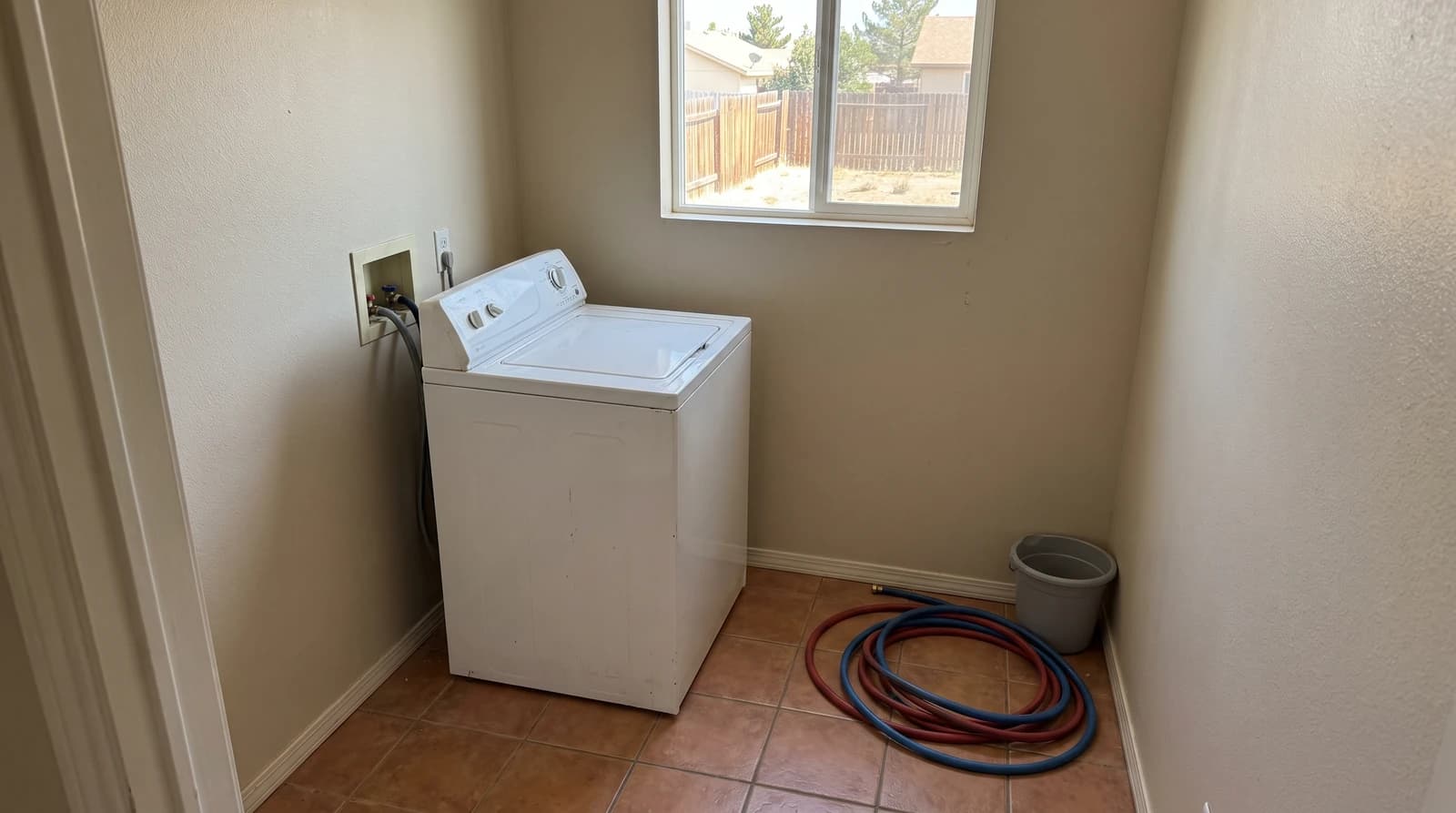
When the pair sits in a main-floor laundry room ten feet from the garage, we're in and out in fifteen minutes. Basement laundry is a different job.
Here's what actually happens down there, and what you can do ahead of time to speed it up.
Why washer and dryer removal is harder in older Treasure Valley homes
Newer builds in Meridian and Nampa usually put laundry on the main floor or in a wide upstairs closet. Those are easy days for us.
Older homes are another story. A lot of the housing in the North End, on the Bench, and around downtown Nampa has basement laundry, and those stairs were built narrow on purpose. Every spare inch went to living space instead of the stairwell.
So which part actually causes the trouble? Two things: the width of the treads, and the turn at the landing.
A straight run you can manage. A 90-degree turn at the bottom means the machine has to pivot in a space that's often shorter than the machine is tall.
Weight matters too. A top-load washer usually runs 140 to 170 pounds, and dryers are the light ones at 100 to 130.
A front loader is heavier, often 220 to 300. That's the concrete counterweight bolted inside, the thing that keeps it from walking across the floor on spin cycle.
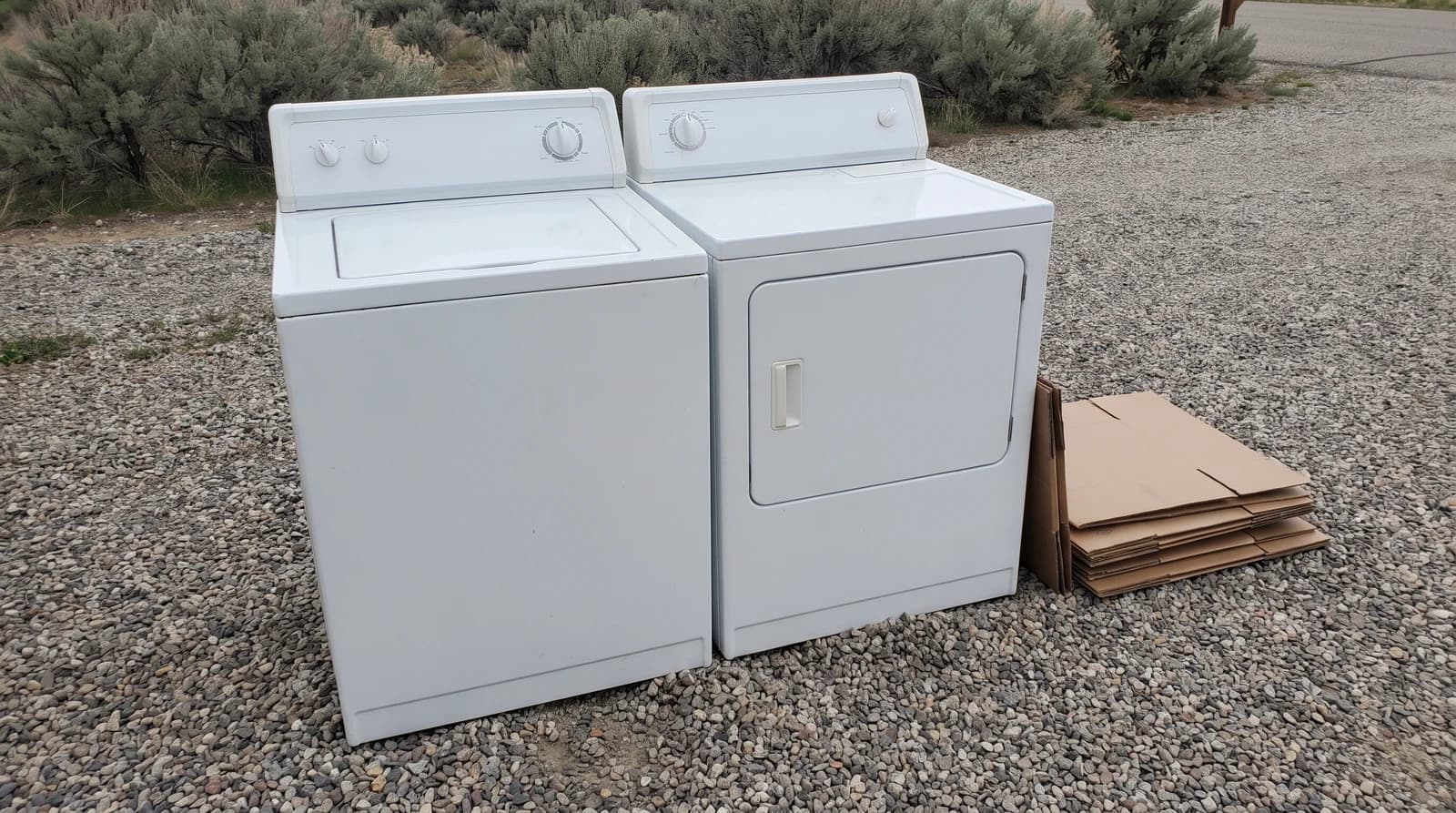
So a front-load pair in a basement is roughly 400 pounds of appliance coming up a staircase. That's why we send two people instead of one.
What to do before we show up
None of this is required. We'll handle all of it if you'd rather not touch anything. But each one saves time on the clock, and a couple of them save your stair carpet.
- ✓Shut the hot and cold valves behind the washer all the way off
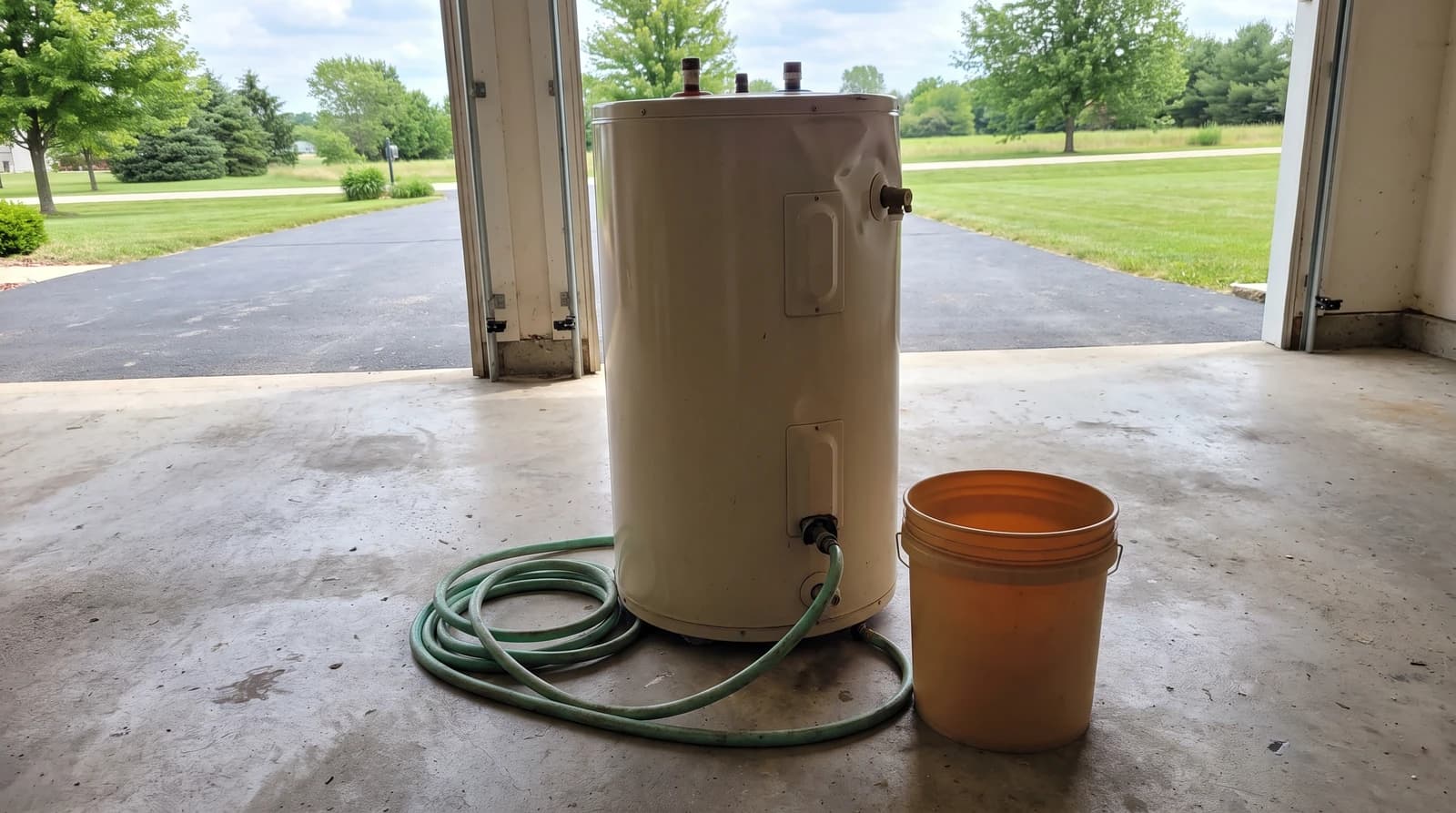
- ✓Pull the drain hose out of the standpipe and let it empty into a bucket
- ✓Unplug both machines and set the cords on top so they don't drag
- ✓If it's a gas dryer, close the gas valve behind it (not sure which valve? Leave it alone and tell us)
- ✓Clear the path: laundry baskets, the litter box, the stack of stuff on the third step
- ✓Prop the storm door open or pop it off its hinge pin
Wondering how far to go with the disconnecting part? We wrote a whole post on it: do you unhook it yourself? Short version, water lines and cords are fine to handle yourself, and gas lines are worth leaving to somebody licensed.
Stairs, doorways, and the turn at the bottom
When we get there, the first thing we do is walk the route backward. Basement floor, up the stairs, through whatever door is at the top, out to the truck.
We're looking for the tightest point, and it's almost never the stairs themselves.
Usually it's a door casing. A standard interior door is 30 or 32 inches, and a washer is about 27 wide, plus the dolly, plus knuckles.
That's tight. Pulling the door off its hinges buys about an inch and a half on each side, and it takes four minutes with a screwdriver and a hammer.
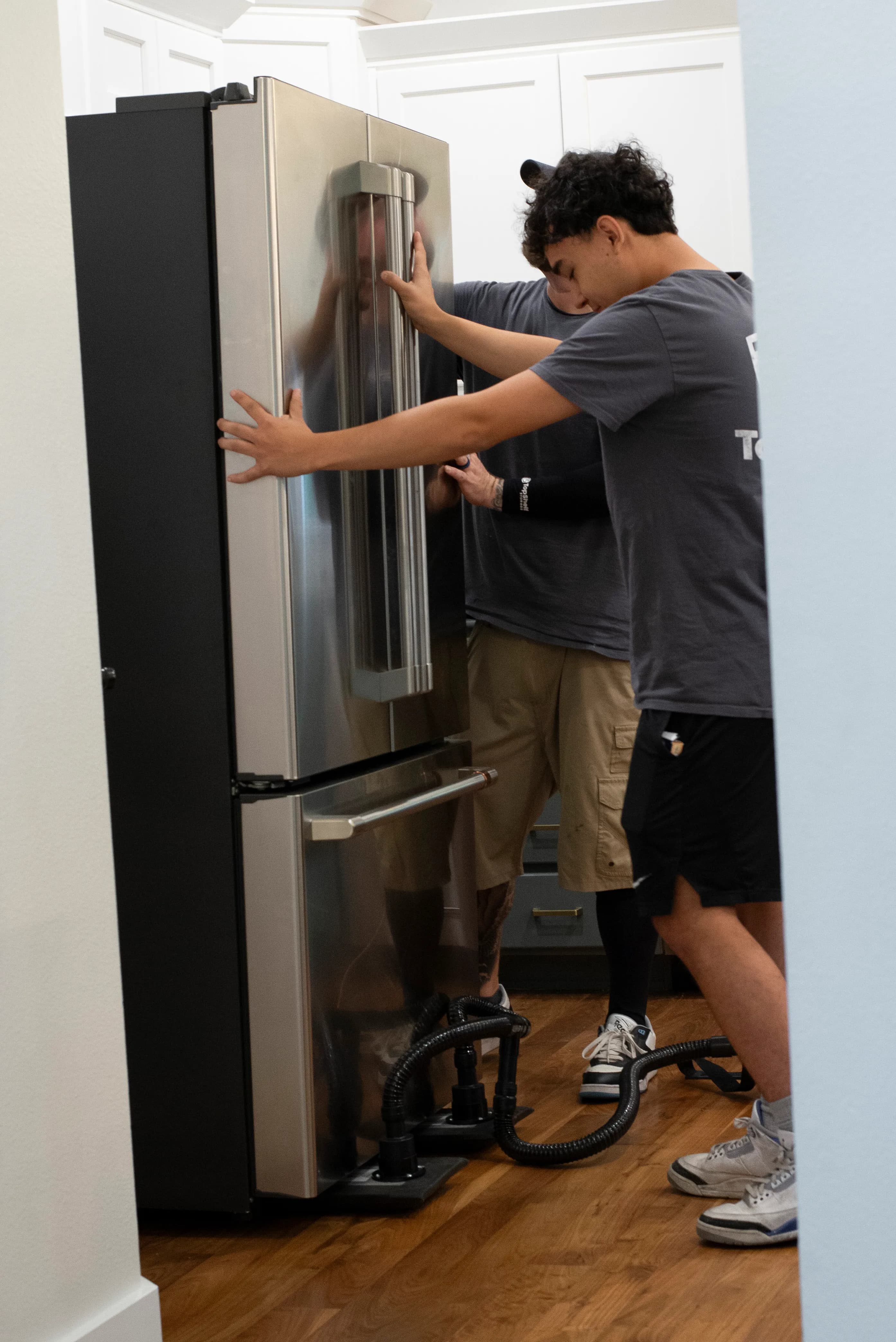
We run an appliance dolly with a strap around the machine, one person controlling from above and one below taking the weight. Moving blankets go over the machine and sometimes over the stair nosing.
The thing that gets damaged on these jobs isn't the appliance you're throwing away. It's the drywall at the turn and the railing spindles.
Honest note: if your stairwell is under 30 inches with a switchback, sometimes the smarter move is out through a basement egress window instead. We've done it a few times. It's not exotic, it just takes a plan.
What washer and dryer removal costs in Boise
For a single appliance on the main floor, most of our jobs land in the $95 to $150 range. A washer and dryer together usually runs $160 to $240, since the second unit costs less than the first.
Basement stairs typically add $25 to $60, depending on the run and the turn. If we're already at your house pulling other stuff, the appliances usually fold into the load price and cost less than a standalone trip would.
Compare that to renting a dolly, talking a friend into helping, and driving out to Hidden Hollow at the Ada County landfill on a Saturday morning. You're looking at $40 to $60 in rental and disposal by the time you're done, plus your morning, plus the risk to your back and your stairwell.
Plenty of people do it that way and it goes fine. Plenty of others call us Sunday after it didn't.
Where it all ends up: machines that still run can go to a resale floor like Idaho Youth Ranch, and the dead ones get stripped for metal at Western Recycling instead of buried. Steel cabinet, motor, drum, all of it has scrap value.
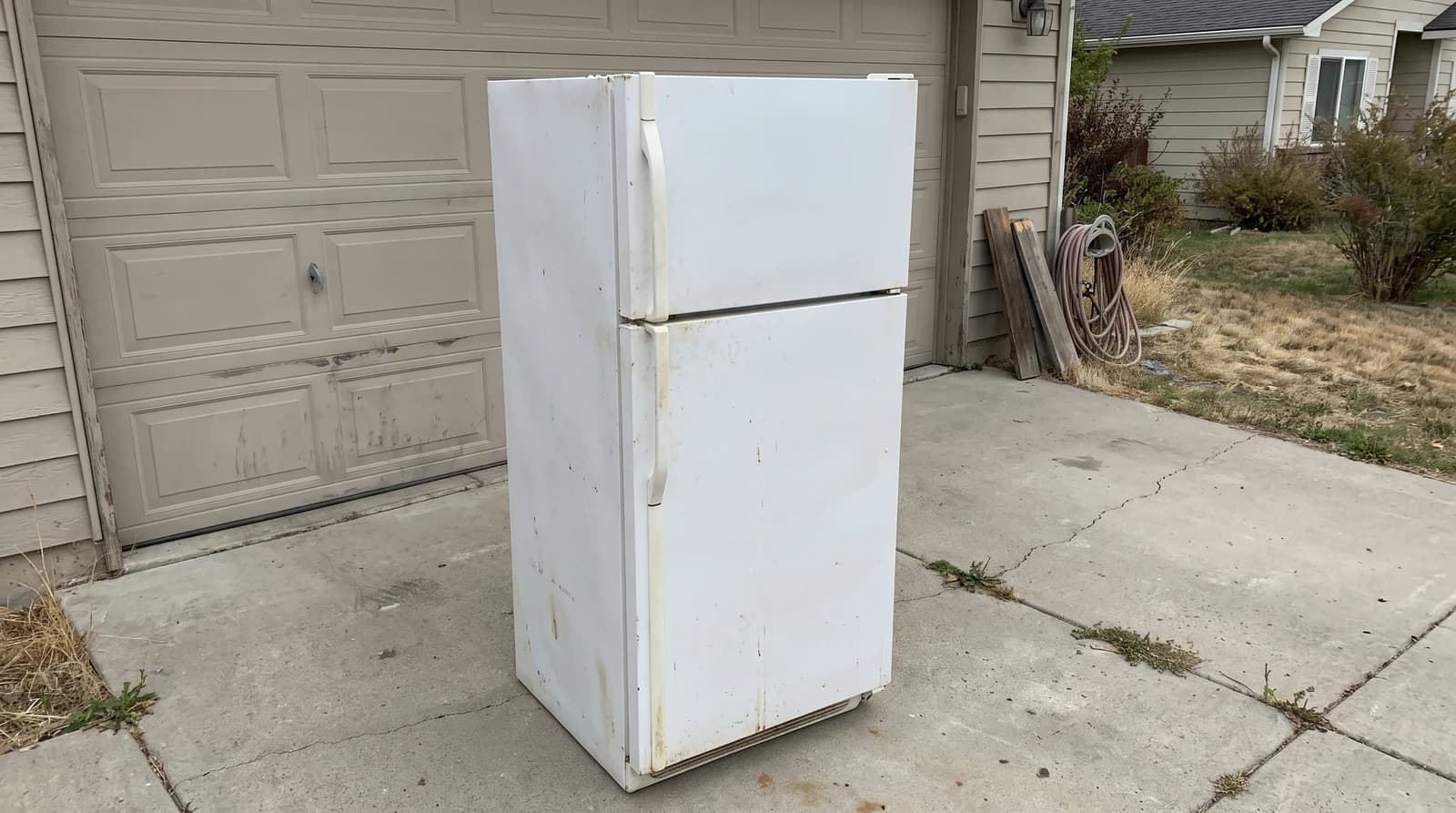
Refrigerators are the one appliance with an extra step, and we covered why the refrigerant matters here.
Most of our appliance removal jobs across Boise, Meridian, and Nampa take under 30 minutes on site, basement or not.
Bottom line
Pulling a washer and dryer out of a Boise basement isn't complicated. It's just heavy and awkward, and the risk is to your house more than the machine.
Drain it, unplug it, clear the path, and let somebody else take the stairs.
Want a straight number before you commit? Call or text us at (208) 593-2877 with a photo of the machines and the stairwell. We'll tell you what it runs, and if it's honestly a two-person DIY job, we'll say that too. The appliance removal page has the rest whenever you're ready.
Need Help With Appliance Removal?
Top Shelf serves Boise and the Treasure Valley with professional junk removal, cleanouts, and demolition services.