
What to Do With Leftover Building Materials in Boise
Stuck with leftover building materials after a Boise remodel? Here's what's worth keeping, what the ReStore takes, and what belongs in a construction cleanup.
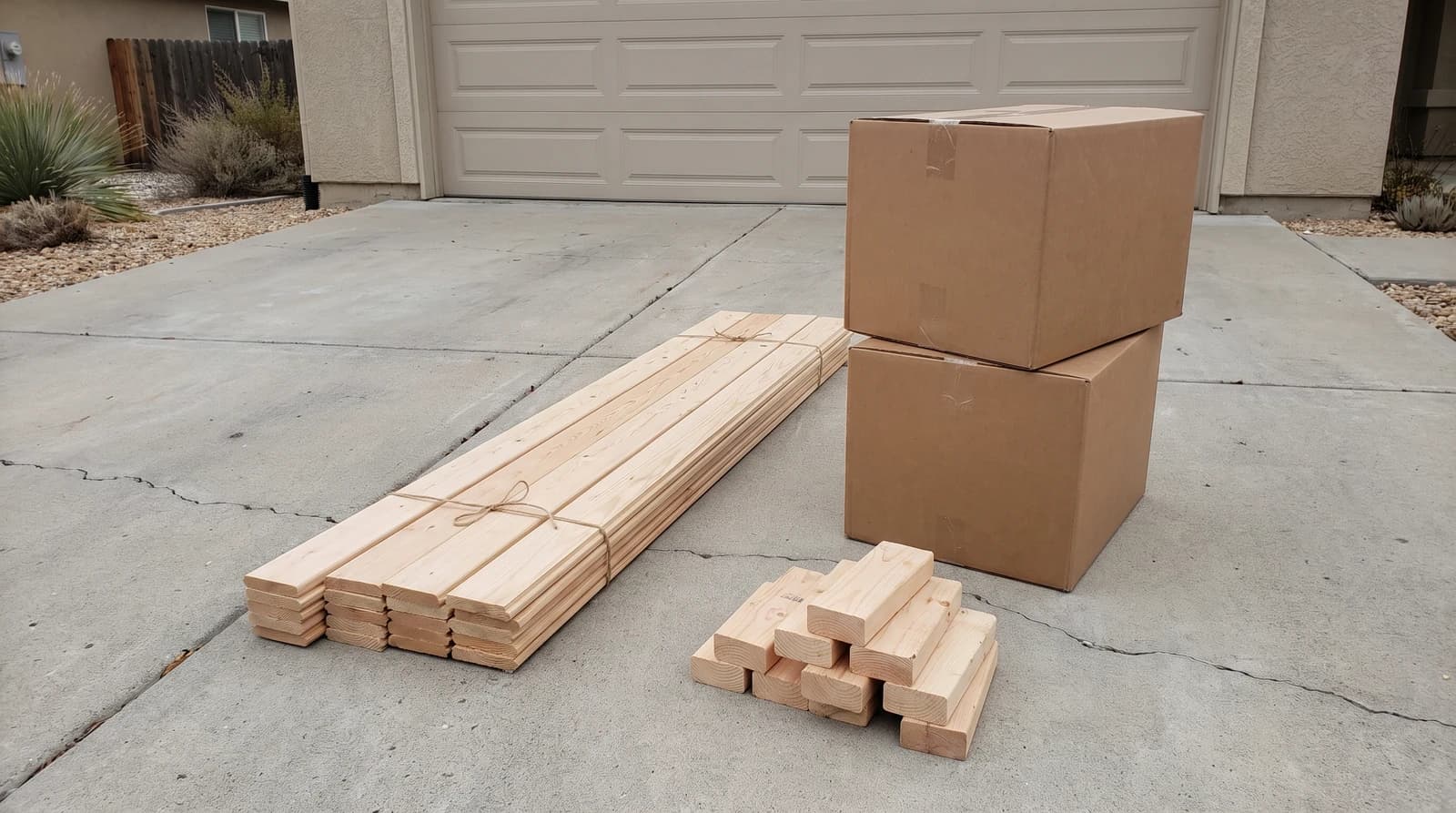
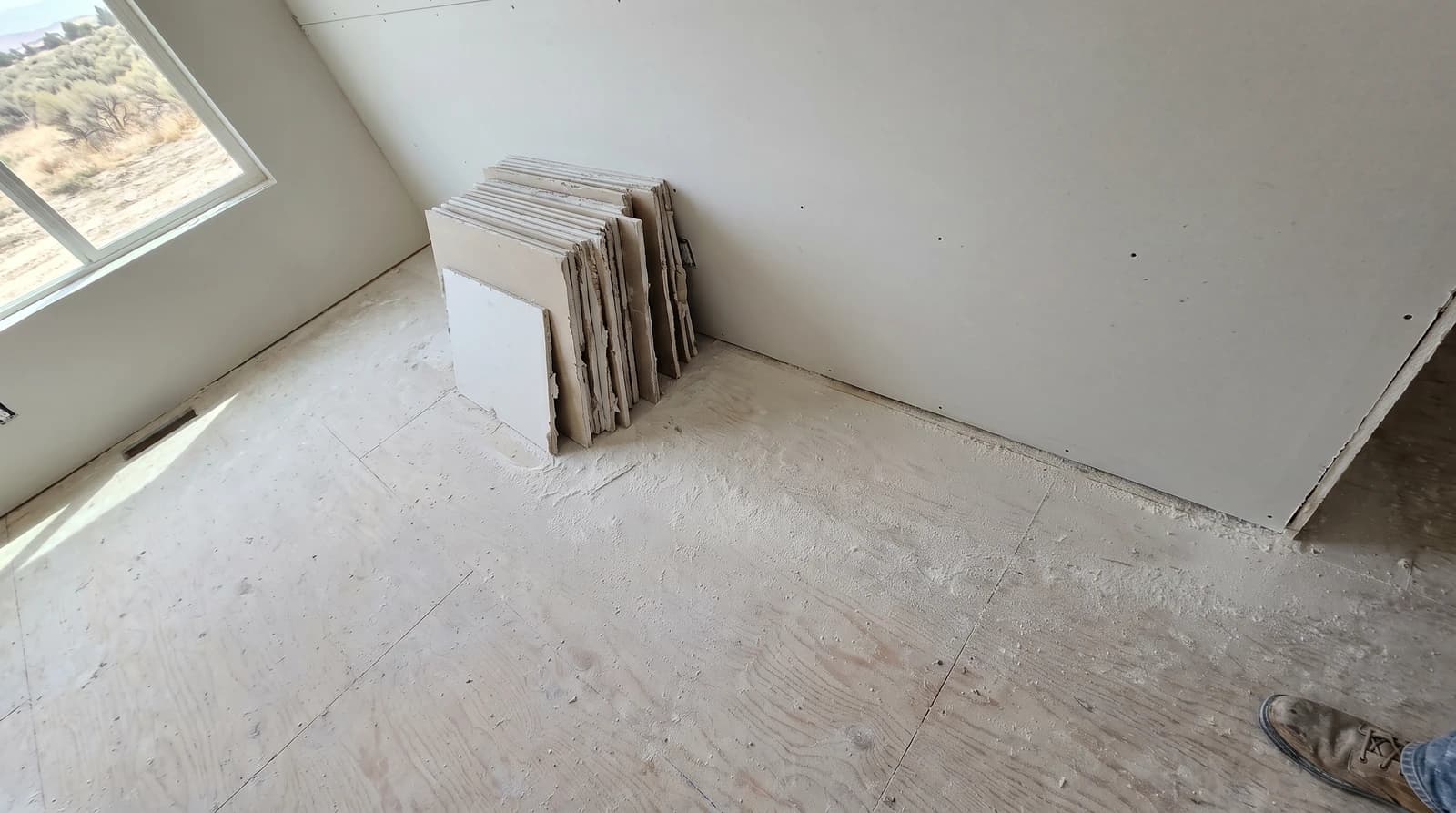
There's a stack of subway tile sitting in a Meridian garage right now that I'd bet money on. Two boxes, still shrink-wrapped, left over from a backsplash somebody finished three years ago. Leftover building materials are stubborn like that.
Next to it, probably: a bundle and a half of shingles, a five-gallon bucket of thinset that turned into a rock, and enough scrap trim to build a doghouse.
Nobody plans for the pile. It just shows up, and then it sits, because who wants to be the person who tossed something that was still perfectly good?
We run into it on almost every construction cleanup we do in Boise, Meridian, and Nampa. The remodel wrapped last spring and the garage still hasn't recovered.
So here's how to sort it out without wasting money or babysitting a pallet of drywall mud you're never going to open.
Which leftover building materials are worth keeping
The rule I'd give a friend: keep what matches something that's already installed in your house. That's it.
If a pipe leaks under your new floor in 2029 and you have to pull up three planks, you'll be glad you kept a box. Half a bag of mortar? You're storing a future brick.
- ✓A full, unopened box of the same tile or flooring you installed
- ✓Extra cabinet hardware and hinges, still in the original bag
- ✓Touch-up paint from the last year or two, clearly labeled
- ✓Two or three lengths of matching baseboard or trim
- ✓Anything you'd have to special-order all over again
Everything else is clutter with a good backstory. Opened adhesives, cutoffs under two feet, a partial roll of housewrap, that mystery bucket.
None of it lasts long in a Treasure Valley garage anyway. Our summers cook it, our winters freeze it, and caulk doesn't care about your good intentions.
Where leftover building materials go in the Treasure Valley
The Habitat for Humanity ReStore is the stop most people forget about. Unused doors, cabinets, light fixtures, unopened flooring, decent windows, hardware. They'll usually hand you a donation receipt, and the money funds local builds.
They're a store, though, not a dump. They only want what somebody would actually buy off the floor.
Stuff they'll typically turn down:
- Opened or old paint, stain, and solvents
- Used insulation, or anything that's been wet
- Short cut lumber and busted-up scrap
- Windows with fogged or broken seals
- Anything with mold, rot, or possible lead paint
Scrap metal is easier. Western Recycling will take leftover ductwork, copper, aluminum framing, and steel, and if you've got a decent amount you might walk out with a few bucks.
Idaho Youth Ranch is worth a call for the household pieces that came out during the remodel, like a working light fixture or a good vanity mirror. They're not set up for raw construction material, so don't show up with lumber.
And don't sleep on a free listing on Facebook Marketplace. Extra pavers, leftover sod, spare fence pickets, half a pallet of brick. Somebody in Kuna or Star will drive over that same afternoon.
When it's cheaper to haul it than store it
Here's where I'll be straight with you. Yes, we'd love the job, but if you've got two boxes and access to a truck, running it out to Hidden Hollow on Seaman's Gulch yourself is cheap. Tipping fees sit in the low thirties per ton, and most homeowner loads come in well under a ton.
The math flips when the pile gets heavy or awkward. Tile, mortar, brick, and shingles weigh a shocking amount for how little room they take up.
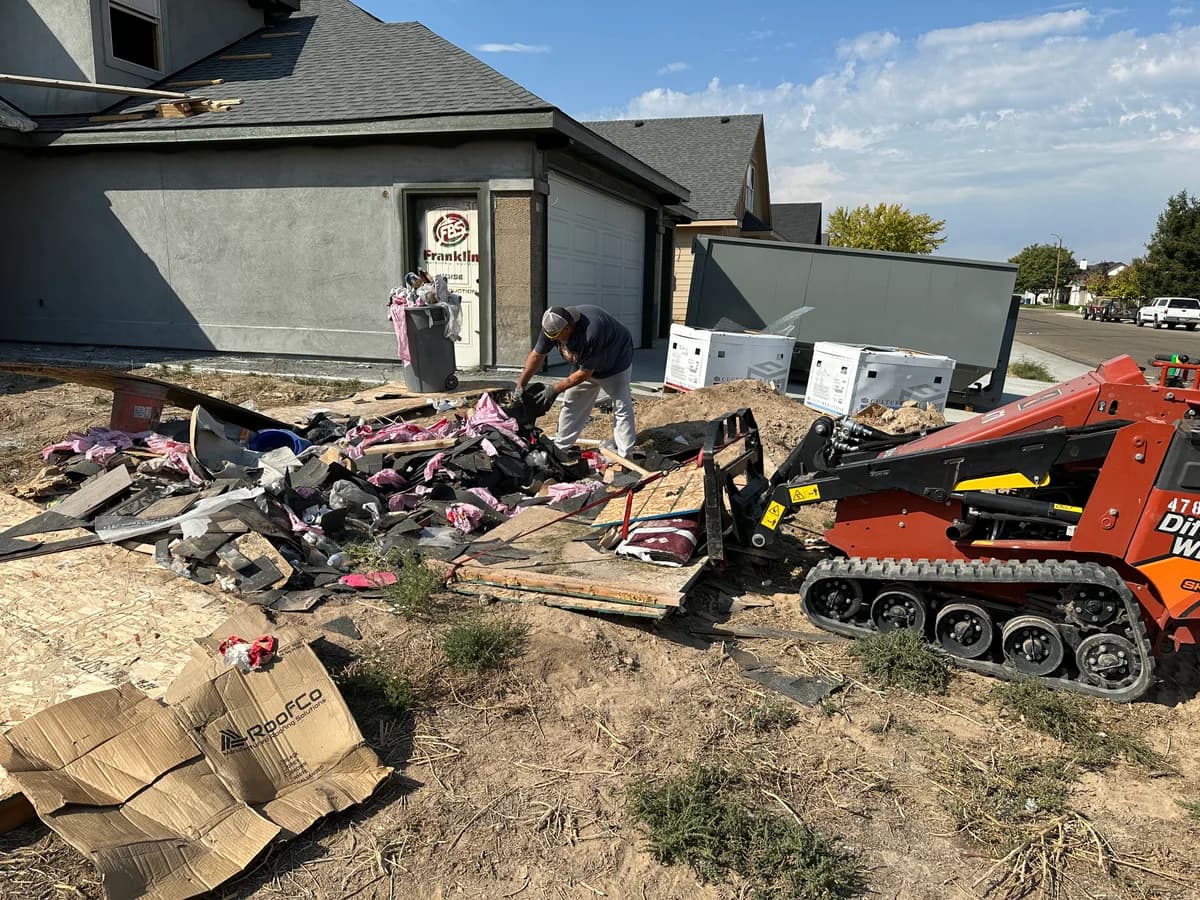
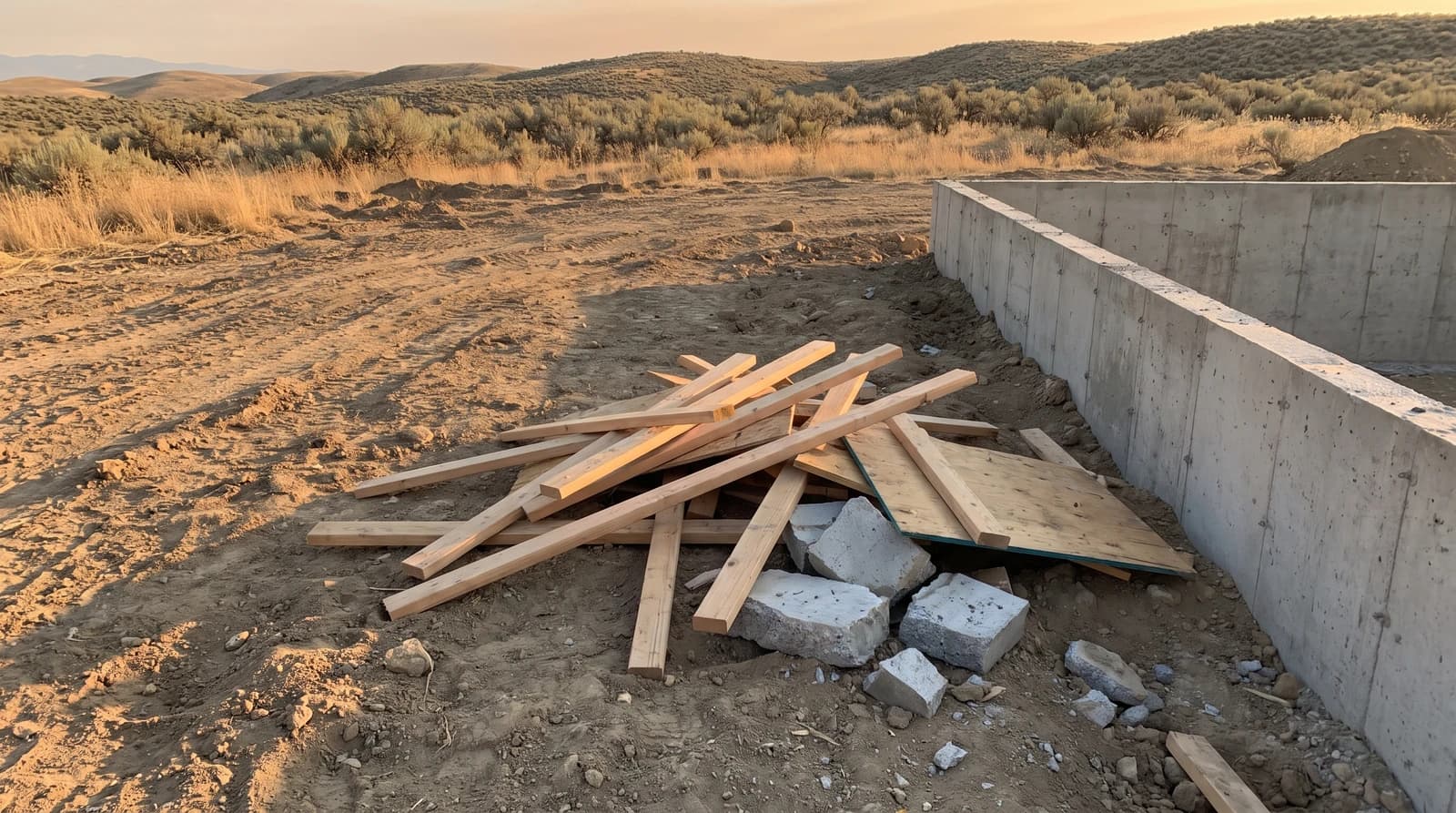
One layer of shingles off an average Boise ranch house can hit three tons. Concrete and masonry go to a different facility than regular household trash, so that's a second trip and another gate fee.
That's usually when the phone rings. A post-remodel material cleanout runs somewhere between $250 and $600 depending on volume and weight, and we pull the metal and the donatable pieces out before anything sees the landfill. If you're weighing that against renting a box, we laid out the tradeoffs in our dumpster rental vs. construction cleanup breakdown.
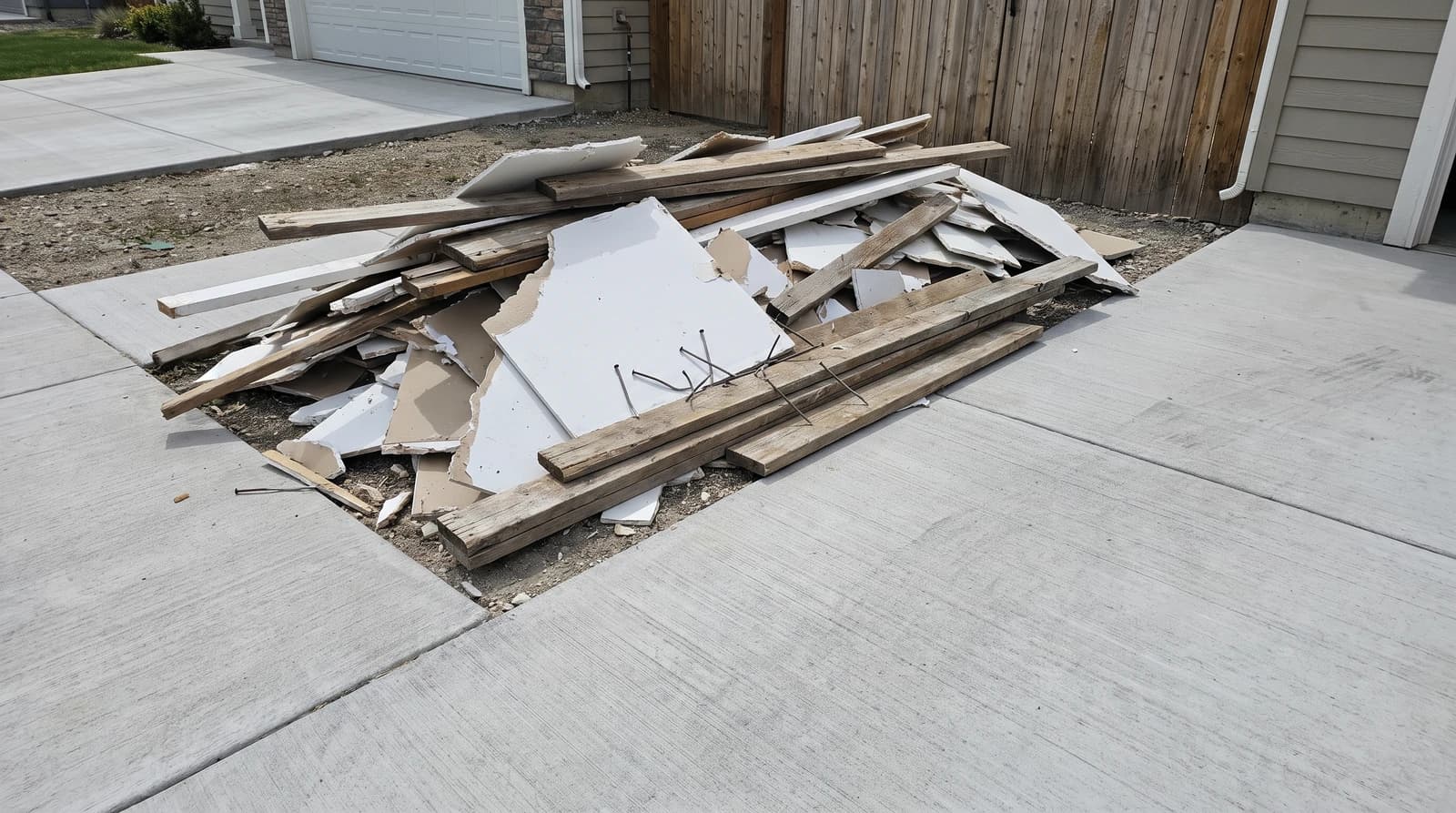
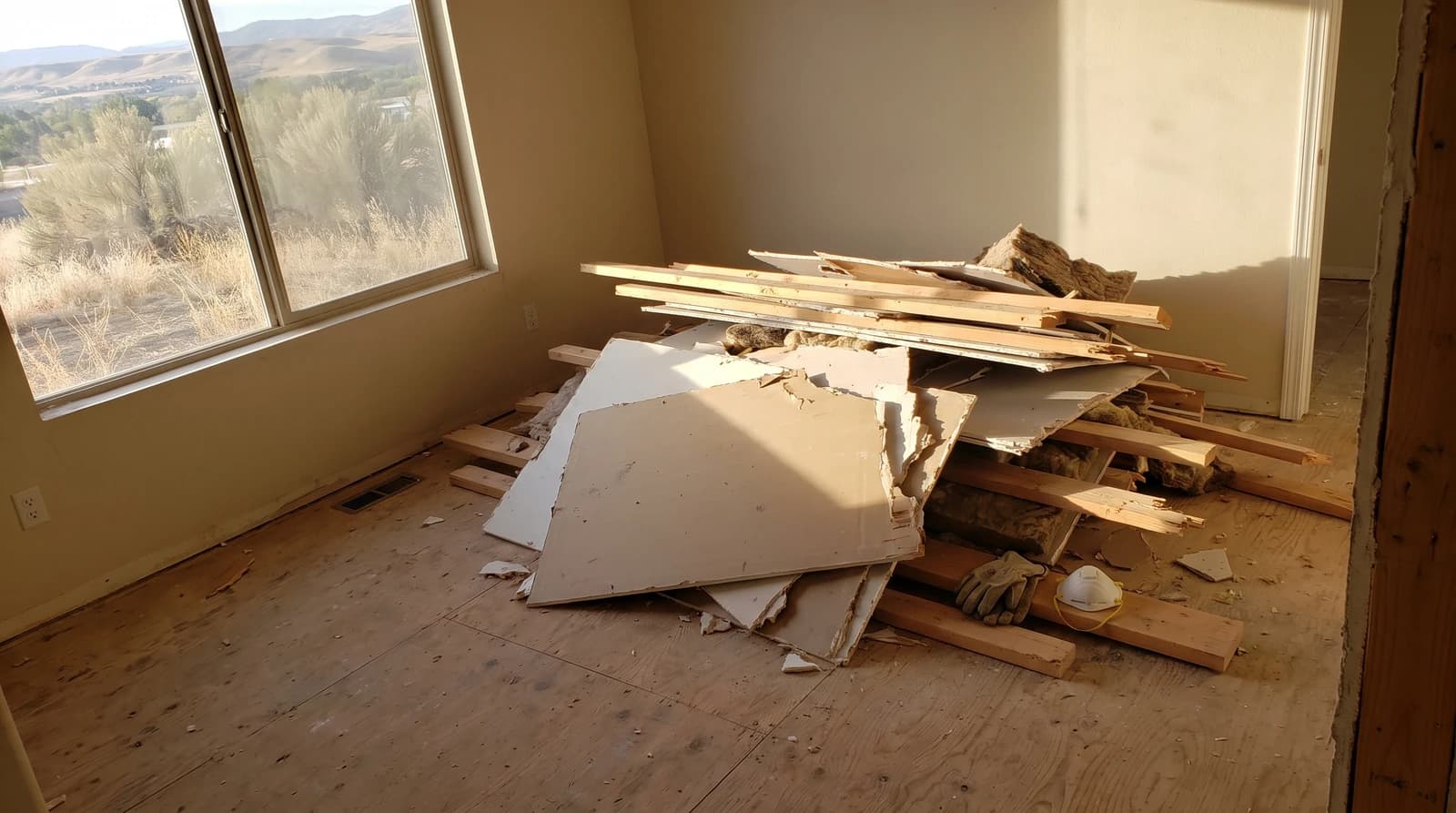
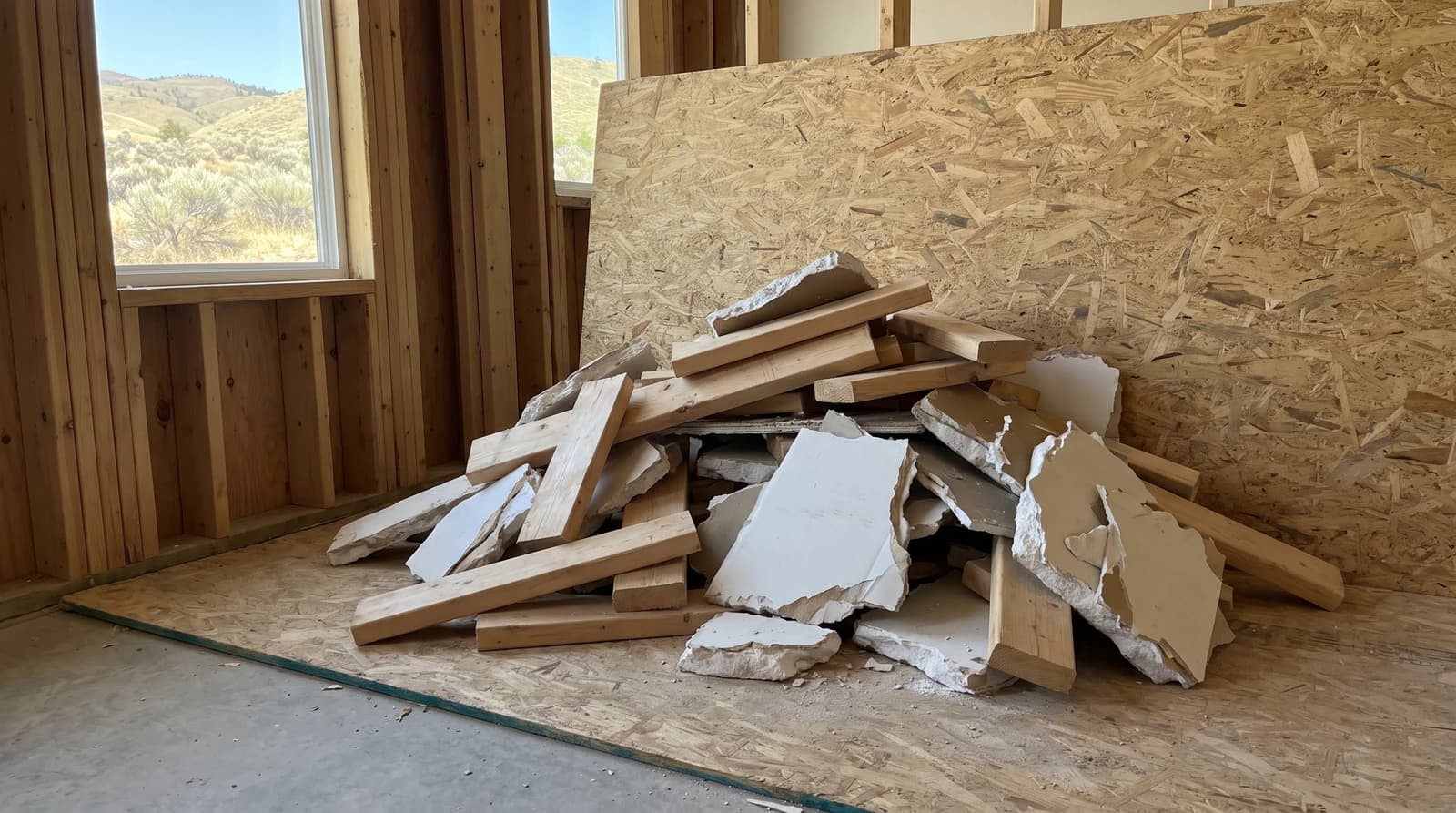
Worth knowing: mixed loads take longer to handle than sorted ones. Lumber in one pile, drywall scrap in another. We'll take it either way, but a tidy pile moves fast.
Do it before the garage swallows it
Best time to deal with this is the week your contractor pulls out. Not next spring. Not "when I get around to organizing the garage."
Give it an afternoon. Keepers go in one labeled bin on a shelf, donations go in the back of the car.
Then look at what's left and decide: landfill run, or phone call?
Most of the time we handle materials as part of a regular construction cleanup, often on the same visit as the actual debris. If the mess is bigger than a few leftover boxes, our guide to post-renovation cleanup covers the rest.
Bottom line
Keep what matches your house. Donate what somebody would still buy. Get rid of the rest while you still remember what it was for.
Want a hand with that last part? Give us a call at (208) 593-2877. Text a photo of the pile and we can usually quote it over the phone without coming out.
Need Help With Construction Cleanup?
Top Shelf serves Boise and the Treasure Valley with professional junk removal, cleanouts, and demolition services.