
Carpet Removal in Boise: Is There Hardwood Underneath?
Planning carpet removal in Boise? Here's how to check for hardwood underneath, which older homes usually have it, and how to pull it without damaging the wood.
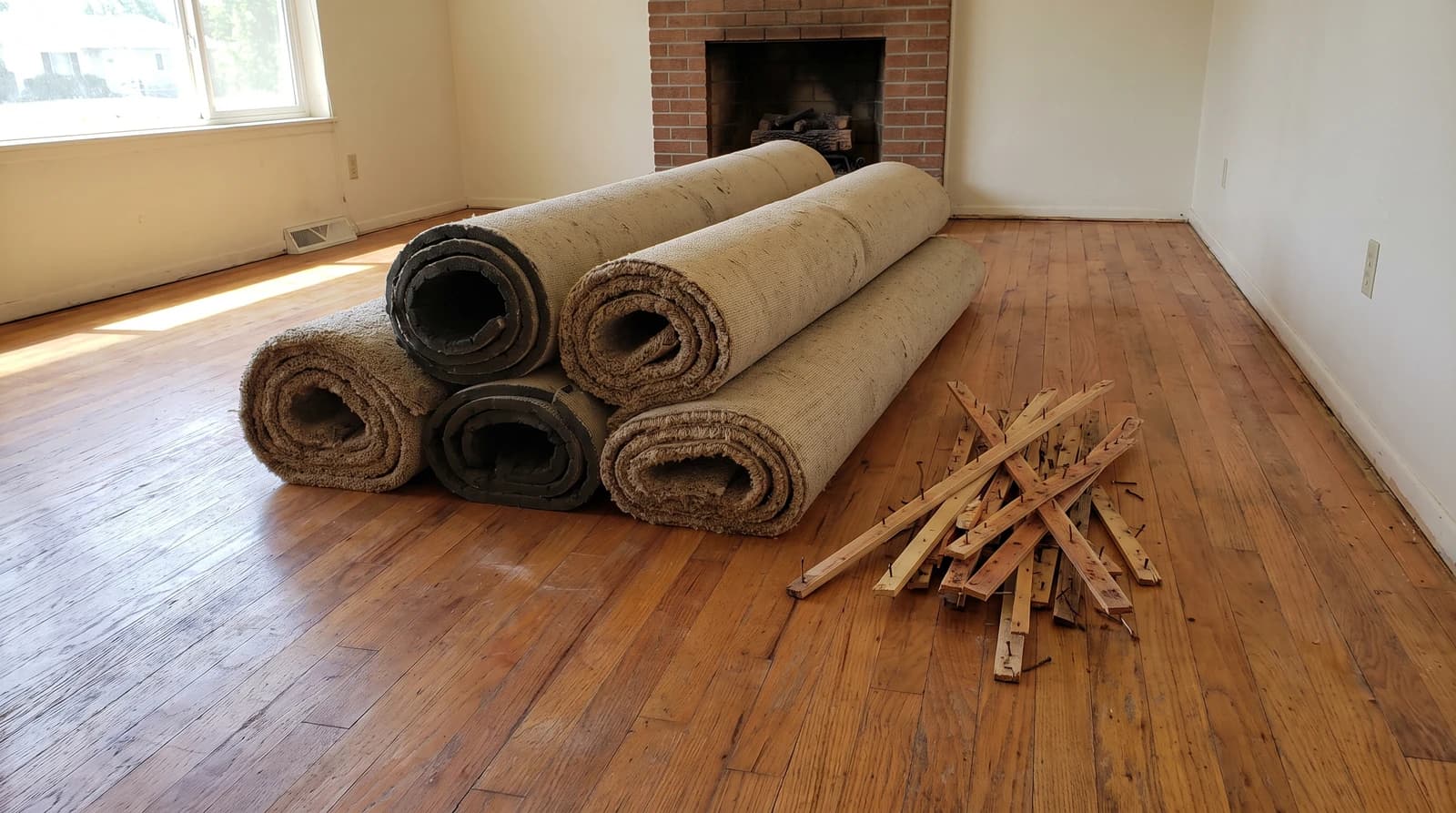
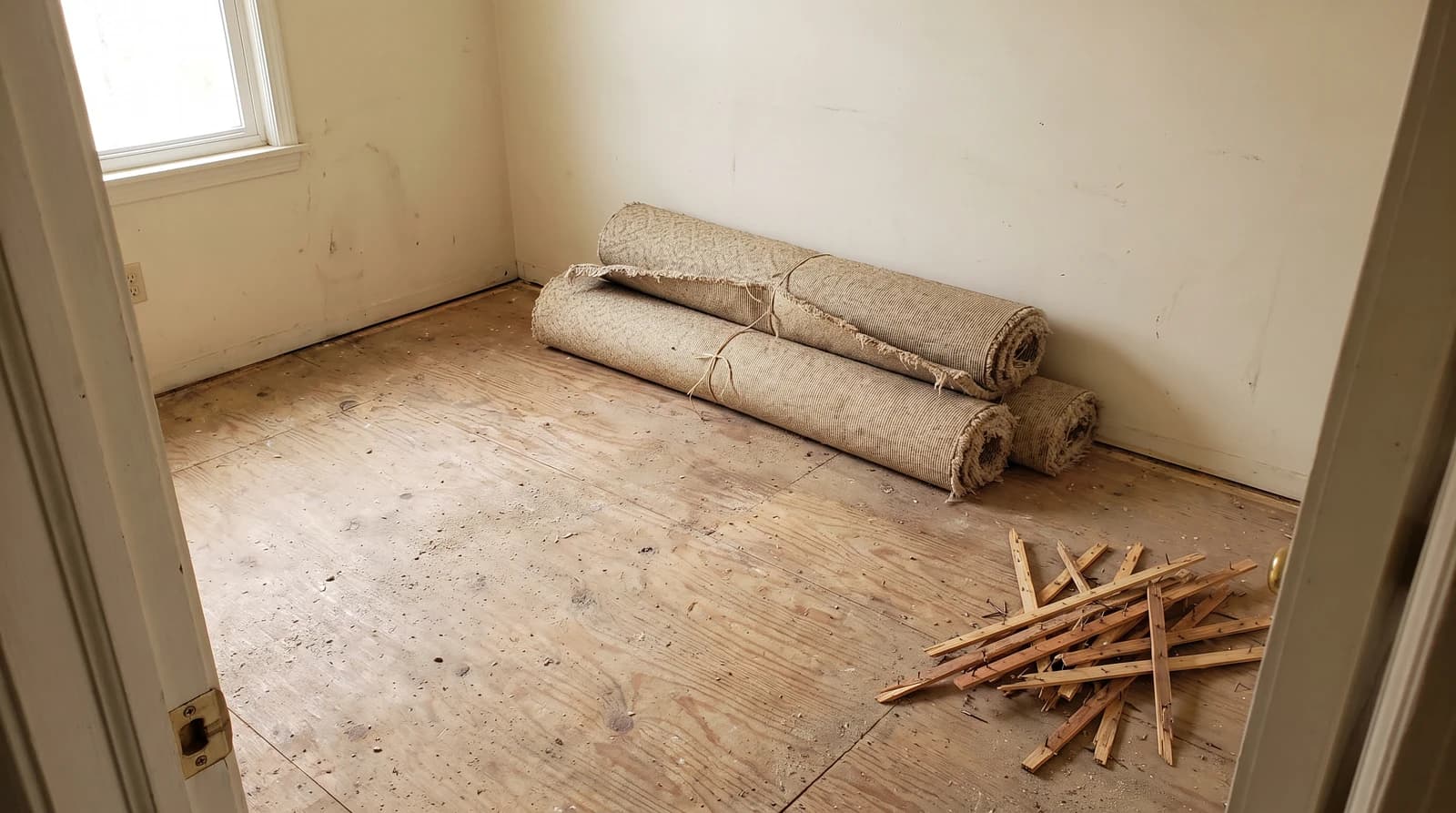
Last month we did a carpet removal job in a 1940s bungalow off Hill Road in Boise. About ten minutes in, the homeowner leaned into the doorway and said "oh no."
Nothing was wrong. There was red oak under there the whole time, and they'd already put a deposit down on new carpet.
That happens more than you'd think. If you're planning carpet removal in Boise and your house was built before about 1960, there's a real chance hardwood is hiding under the pad. Here's how to find out before anyone starts cutting.
Which Boise homes usually have hardwood
Age is the biggest clue. A lot of older houses in the North End, the East End, the Boise Bench and around Vista were built with solid oak or fir floors. Wall-to-wall carpet caught on in the '60s and '70s, and plenty of people laid it right over the wood.
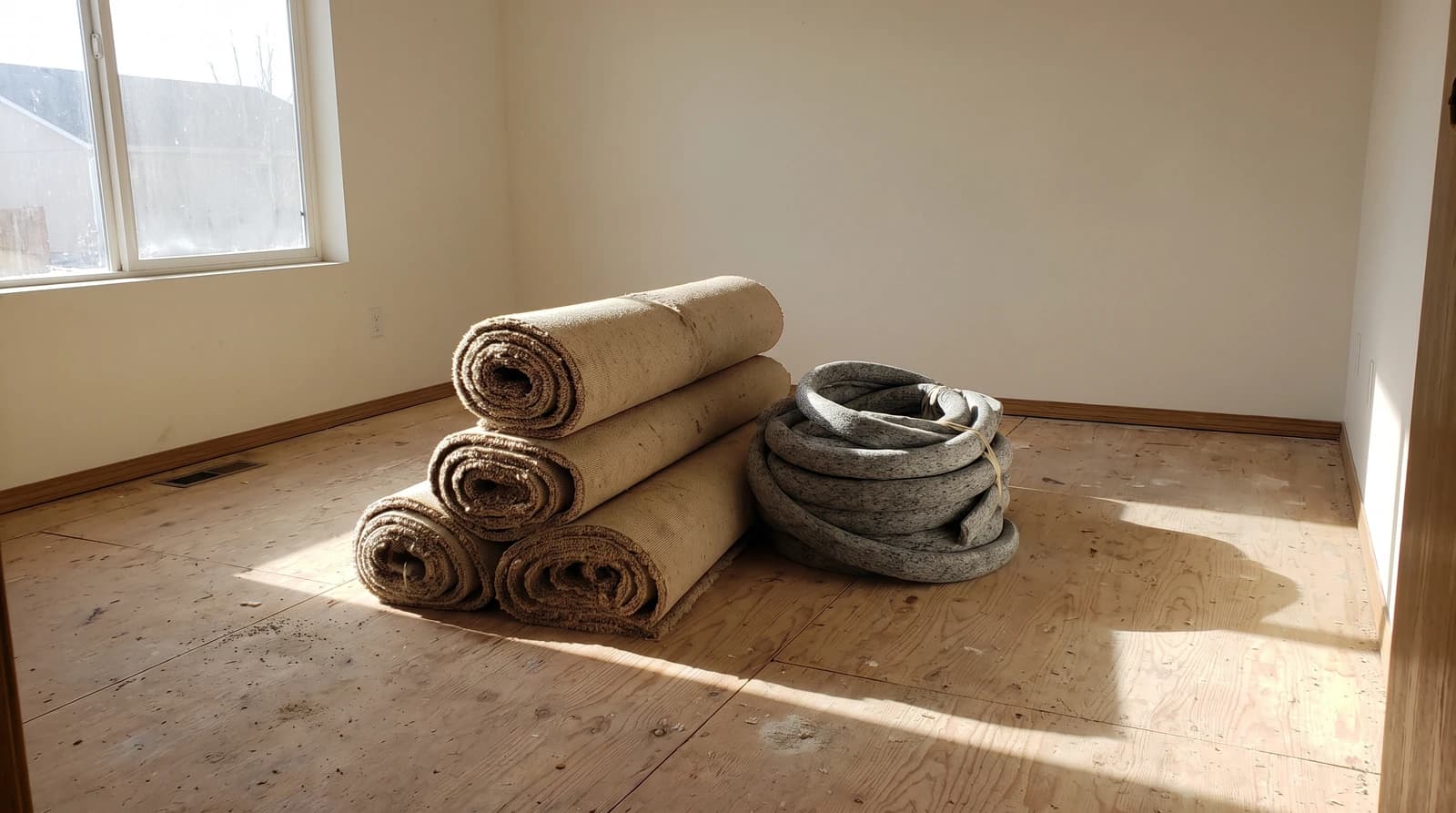
Newer houses are a different story. Most tract homes built in Meridian, Nampa and south Boise from the '80s on have plywood or OSB subfloor under the carpet, and there's nothing to save.
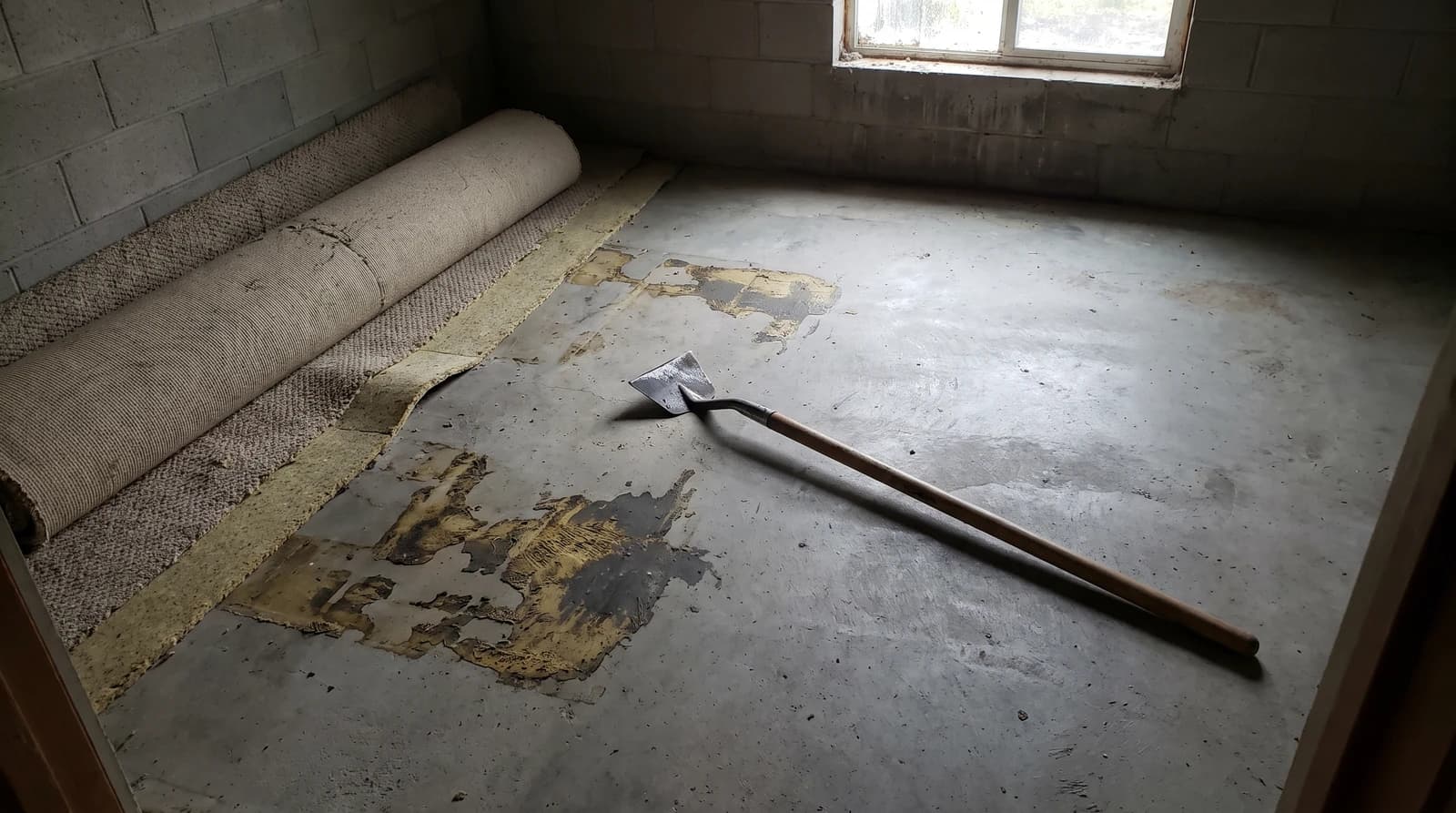
If your house sits on a slab, you'll find concrete. Maybe some old glue too, which is its own project.
A 1990s two-story in Meridian? Probably not. A 1948 brick ranch near Boise State? Definitely worth a look.
How to check before carpet removal day
You don't need to pull up a whole room. Pick a corner nobody sees, like inside a closet or behind the couch.
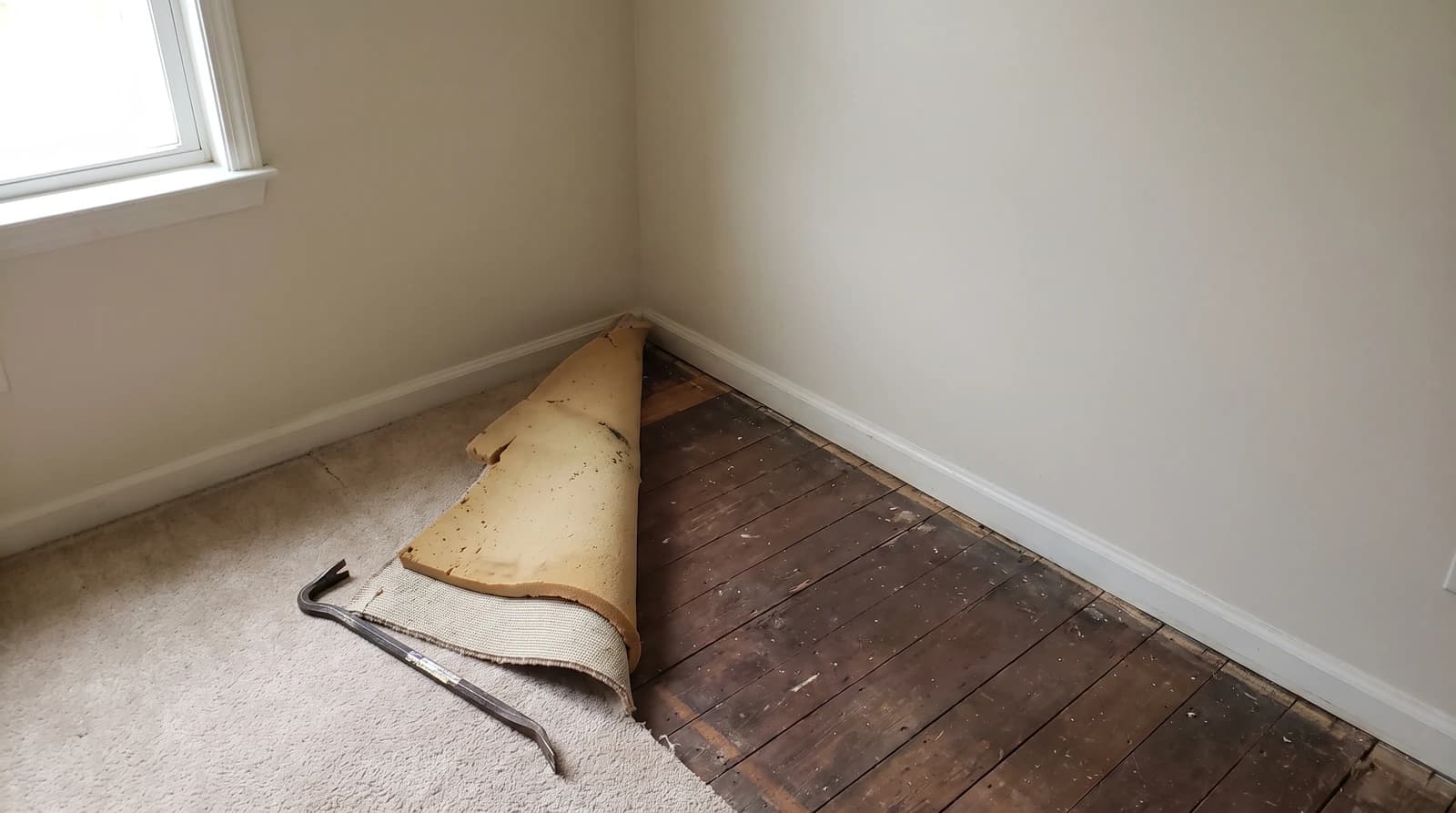
Grab needle-nose pliers and pull the carpet up off the tack strip right at the corner. A firm tug usually pops it loose. Fold it back, then peel back a few inches of pad.
Here's what you might see:
| What you find | What it usually means |
|---|---|
| Narrow tongue-and-groove boards, about 2 1/4 inches wide | Oak strip flooring, often worth refinishing |
| Wider boards, 3 to 6 inches | Could be fir or pine flooring, or just old plank subfloor |
| Plywood or OSB sheets with printing on them | Subfloor only, nothing to save |
| Small square tiles, often 9 inches | Old vinyl or asphalt tile, so leave it alone for now |
| Gray concrete | Slab foundation |
When you're done, press the carpet back onto the tack strip with your palm or a knee. Nobody will know you were there.
Check more than one spot if you can. We've seen houses where the living room had nice oak and the back bedroom, added on in 1972, was plywood. Hallways and closets sometimes got patched over the years too.
Is the wood actually worth saving?
Finding hardwood doesn't mean it's in good shape. Carpet protects the surface, but pet urine soaks right through the pad and can turn oak boards black.
While you've got the corner peeled back, look for dark stains, cupped boards, or gaps wide enough to slide a nickel into. Paint drips along the baseboards are common too, left by whoever painted the walls with the carpet still down.
Most surface stuff sands out. Deep black stains usually mean swapping out a few boards, and a good flooring person can weave new ones in so you'd never notice.
Solid oak strip floors can handle several sandings over their life, so even a rough-looking floor is usually salvageable. A local refinisher can tell you in one visit, and most will give you a quote for free.
Money-wise, sanding and refinishing around the Treasure Valley tends to run somewhere around $3 to $5 a square foot. Decent carpet with pad and install often costs about the same or more, and the oak will outlast it by decades.
Honestly? Beat-up oak usually comes back nicer than people expect. We've seen some pretty sad floors turn out great.
What careful carpet removal looks like over hardwood
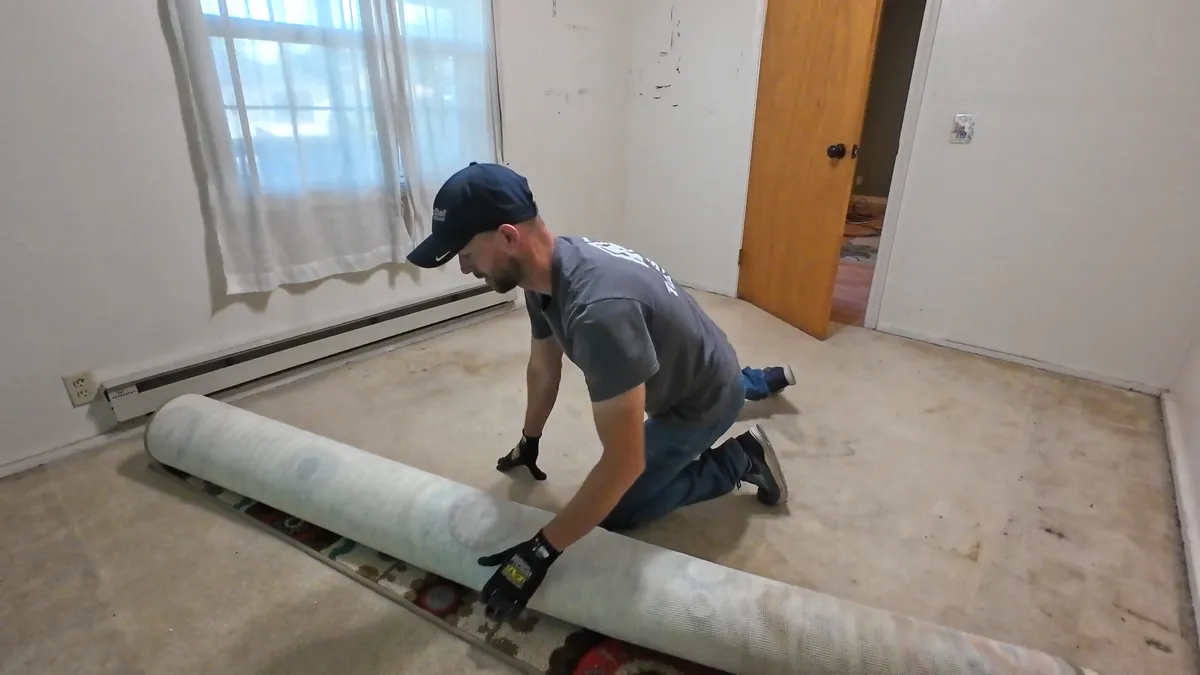
This is where the job changes. Tearing carpet off plywood is fast, and nobody cares if the subfloor gets scuffed. Pulling it off oak you want to keep takes more patience.
Here's what we do differently:
- Cut the carpet into strips with the blade angled so it doesn't score the wood
- Slide a putty knife under the pry bar when lifting tack strips so the bar doesn't dent the boards
- Pull every pad staple instead of snapping them off flush
- Roll the strips and carry them out instead of dragging them across the floor
The staples are the tedious part. Older pads were stapled every few inches, so one bedroom can have hundreds. If they snap off, your refinisher has to dig them out later, and a sander hitting a staple isn't fun for anybody.
Plan on it taking longer than a standard tear-out. A bedroom we'd clear in under an hour over plywood might take closer to two when we're protecting the wood.
If you book carpet removal with us, just mention there's hardwood underneath so we show up ready for it.
Should you pull it up yourself?
Yes, we'd love the job. But this is a pretty doable weekend project if you've got a utility knife, a flat bar, pliers, and knees that still cooperate.
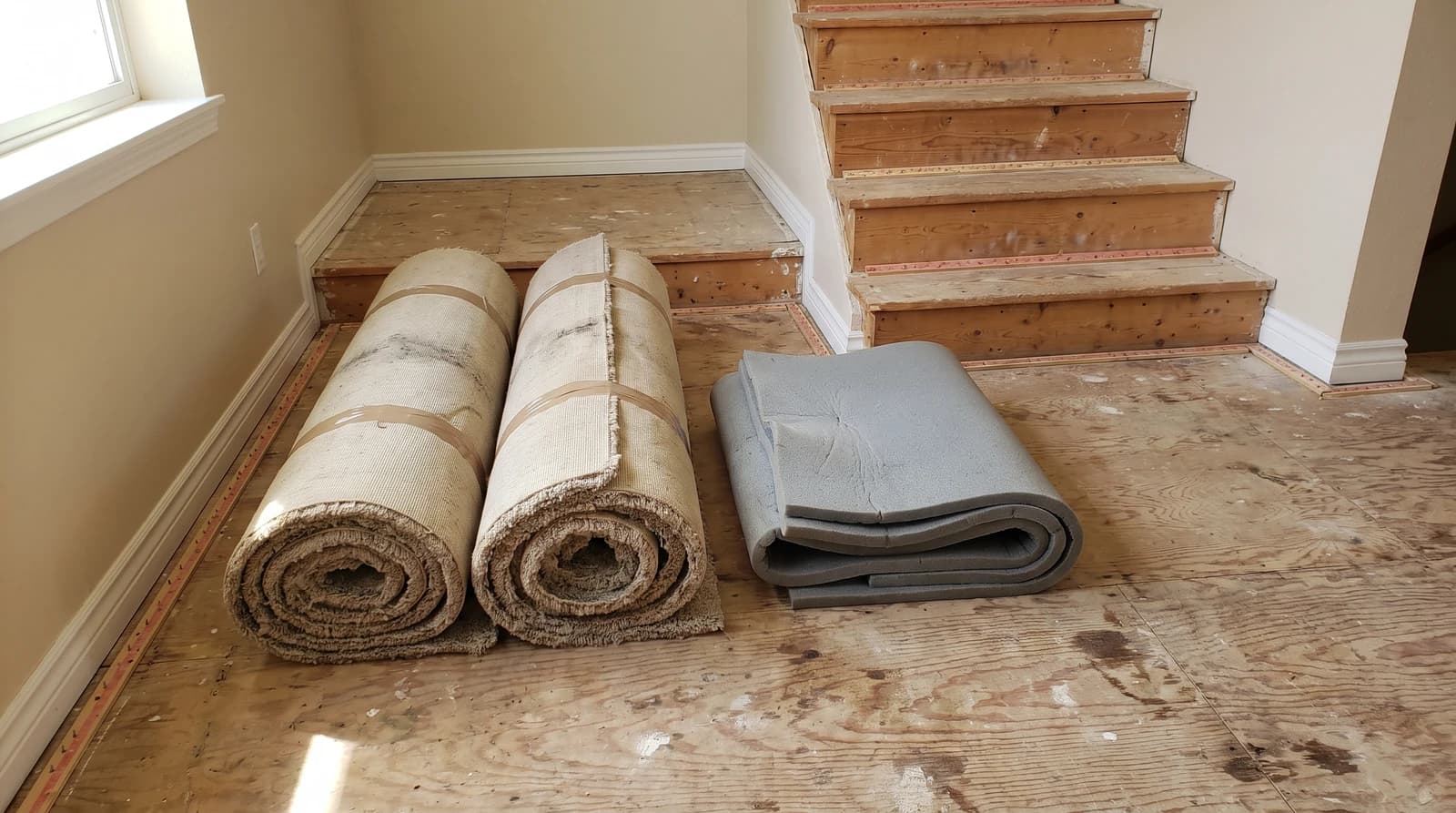
What people underestimate is the hauling. Rolled carpet and pad are bulky and heavy, and a 12x14 room fills a pickup bed faster than you'd guess.
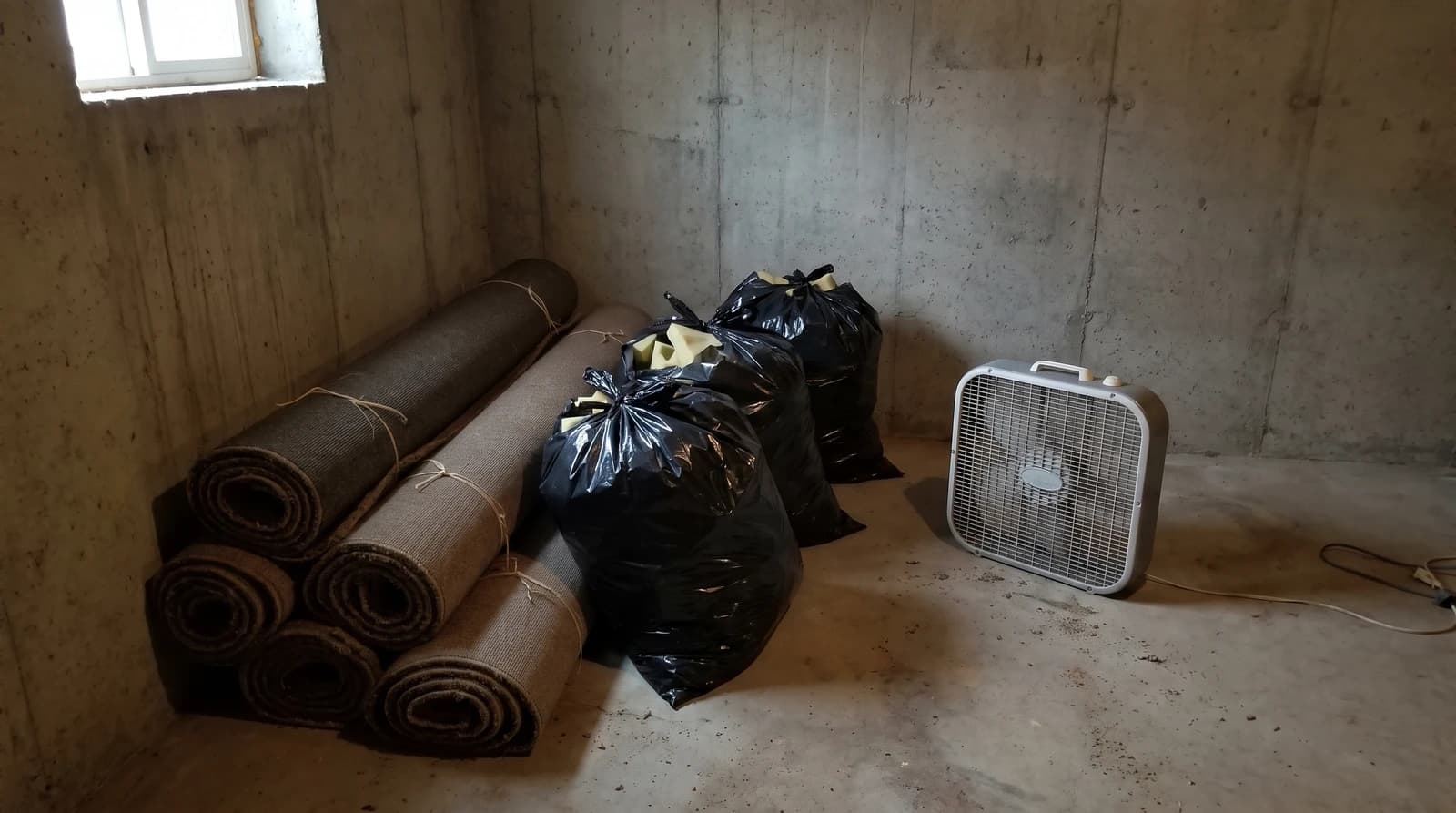
Trickling it into your curbside cart over a month gets old, and Idaho Youth Ranch won't take used carpet. Most DIYers end up driving it out to Hidden Hollow, the Ada County landfill, and paying at the gate.
It makes more sense to call someone when there are several rooms, stairs, or a refinisher already booked for next Tuesday. We get those calls from all over the Treasure Valley, from the North End to older neighborhoods in Nampa.
The bottom line: before you pay for new flooring, spend ten minutes in a closet corner with a pair of pliers. If there's oak under there, you could save a good chunk of money, and the removal just takes a little more care.
If you'd rather hand off the cutting, the staples and the dump run, give us a call at (208) 593-2877. We'll come take a look and give you a straight answer about our carpet removal service, no pressure either way.
Need Help With Carpet Removal?
Top Shelf serves Boise and the Treasure Valley with professional junk removal, cleanouts, and demolition services.