
Tractor Tire Removal Around Boise: What Big Tires Cost
Tractor tire removal in the Boise area costs more than car tires, and here's why. What drives the price, why weight matters, and what to do with ag tires on your property.
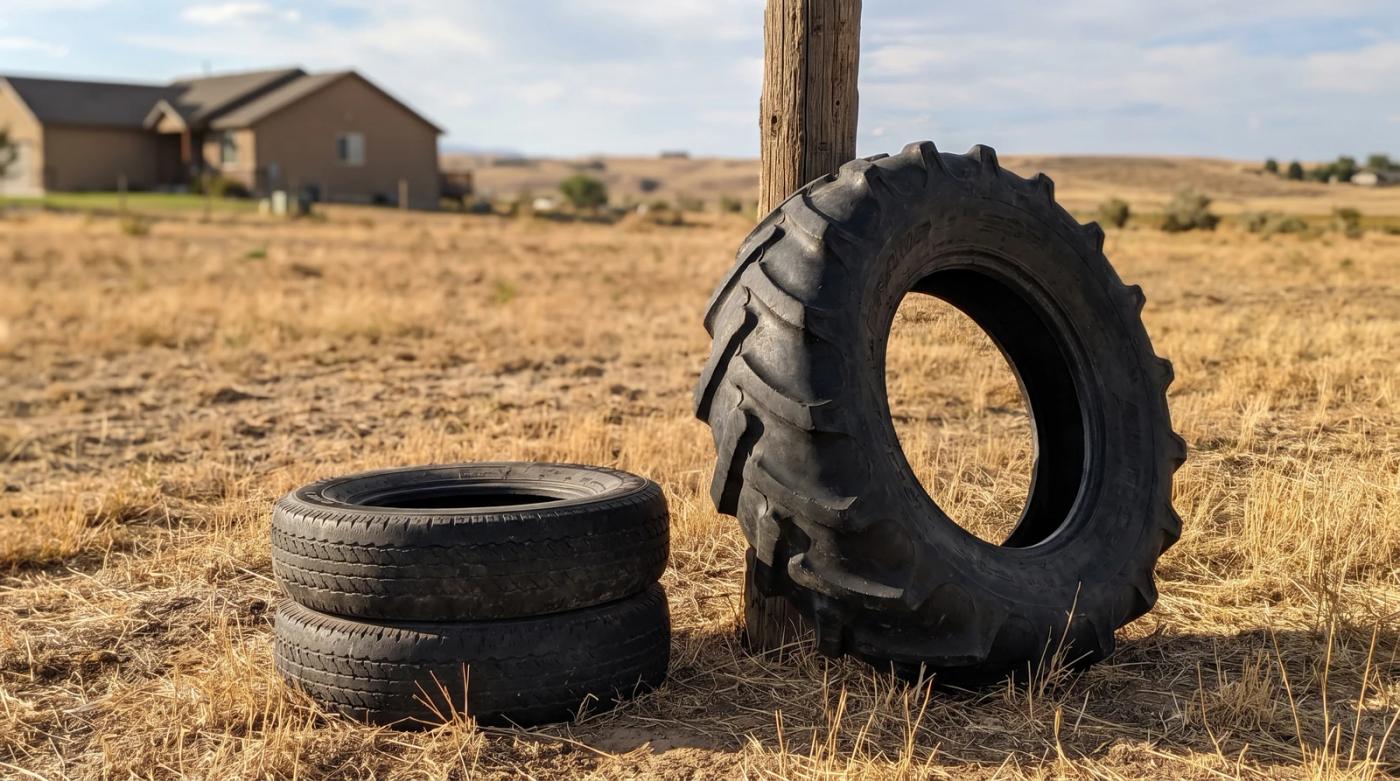
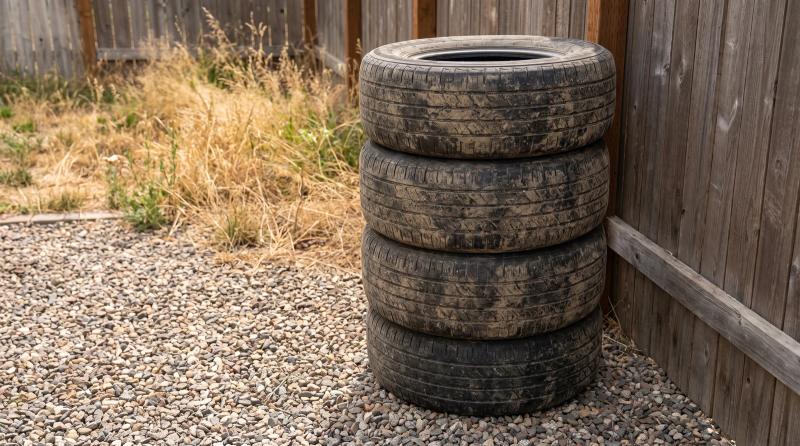
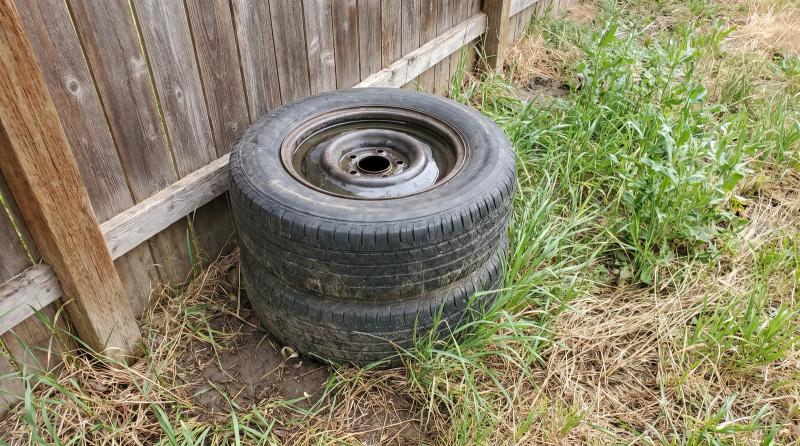
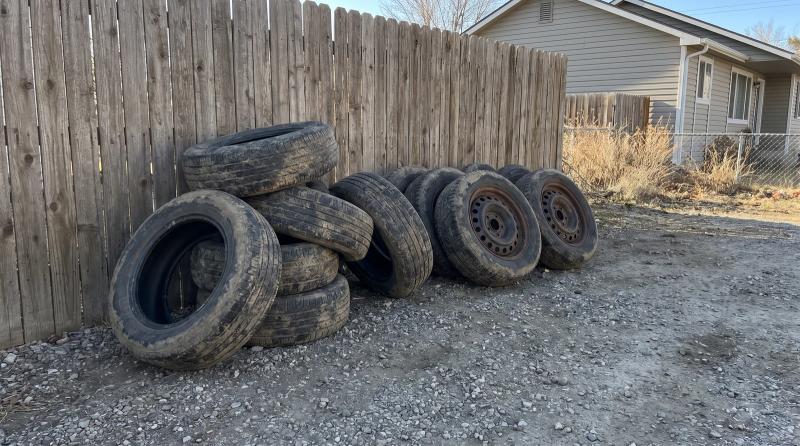
Plenty of older properties around the Treasure Valley have a few tractor tires lined up along a fence. They've sat there since the last owner farmed the ground, and some have weeds or cattails growing out of the middle. Tractor tire removal is one of those jobs that keeps getting pushed to next spring, and then it's five years later.
That's more common than you'd guess. Ag tires around Boise are their own animal, and if you're budgeting based on what you paid to get rid of the tires off your Tacoma, that number is going to sting.
Big tires aren't just bigger versions of small tires. Different weight class, different disposal category, sometimes a different facility altogether. Here's what that means for your wallet.
Why tractor tire removal costs more than car tires
A passenger tire is something one person can toss in a truck bed. A rear tire off an older tractor is many times heavier, and that's before you find out it's still loaded with fluid.
That's the part people miss. Plenty of ag tires got filled with calcium chloride or beet juice for ballast, and nobody drains them when the tractor gets parted out. So the tire you're looking at might weigh a lot more than it looks like it should.
Throw a strap on one, hook it to a pickup, and you can pull the sidewall clean off if you have no idea it's loaded.
The other cost driver is disposal. Recyclers in the Treasure Valley charge by weight on oversized tires instead of by the piece.
Western Recycling and the processors that serve this area run passenger tires all day at a flat rate each. Ag and off-road tires get weighed, and the per-pound rate is higher because thick rubber and heavy steel belting are harder to shred.
The Ada County landfill isn't a workaround either. Whole tires can't go into a lined cell in Idaho, so there's no cheap version where you just bury the problem and move on.
Heads up: Not sure whether a tire is fluid-filled? Rotate the wheel so the valve stem sits at the bottom, pull the cap, and press the core with a screwdriver. If liquid comes out instead of air, it's loaded. Don't try to muscle it, and don't drain that fluid onto your pasture. Calcium chloride kills grass and it's rough on soil.
What we actually charge by tire type
Pricing in Boise, Meridian, and Nampa comes down to the tire's size and weight, whether it's loaded, whether the rim is still on, and how close we can back a truck.
| Tire type | Rough weight | Typical price each |
|---|---|---|
| Passenger car | 20-25 lbs | $6-12 |
| Light truck / SUV | 35-50 lbs | $10-18 |
| Skid steer / small equipment | 100-200 lbs | $30-60 |
| Semi / commercial | 100-125 lbs | $25-45 |
| Ag tractor (rear) | 400-900 lbs | $85-250+ |
The spread on tractor tires is wide for a reason. A drained 18.4-38 sitting next to a gravel driveway is a completely different job than a loaded one half-sunk in mud behind an irrigation ditch. Rims still mounted push the price up, though scrap value on the steel sometimes takes a bite out of that.
Got standard sizes only? Our breakdown of [how much tire removal costs in Boise](/blog/tire-removal-cost-boise) goes deeper on the regular stuff.
Can you handle tractor tire removal yourself?
Sometimes, yeah. We'd rather say that than talk you into a job you don't need.
If you've got a tractor with a loader and a trailer rated for the weight, running a couple of drained tires to a processor is doable. Call ahead, though. Most places want notice on oversized tires and some only take them certain days.
You'll pay their disposal fee either way, and honestly, that fee is the bulk of what you'd pay us anyway.
Where it turns into a bad Saturday: loaded tires, tires with the rims still on, and the ones that have sat long enough to fill with dirt, rainwater, and whatever a raccoon left behind. That last one shows up a lot on older Canyon County properties.
A few things that usually push people to just hire it out:
- Nothing on site that can lift a tire that heavy safely
- Tires stacked against a fence or building with no straight pull
- A trailer that only fits a couple of tires, turning one job into several round trips
Add up a chunk of your weekend, the fuel, and the same disposal fee we'd be paying, and the math gets close fast.
And if you're weighing whether to just haul them off to some quiet spot out in the desert, don't. We laid out [the rules on tire disposal in Idaho](/blog/tire-disposal-options-boise), and the fines aren't theoretical.
Where the tires end up
Ag tires in decent shape sometimes get a second life. We've seen them turned into feed bunks, retaining walls, and arena footing on horse properties around Kuna and Middleton.
The rest go to a processor and get shredded. Off-road rubber often becomes tire-derived fuel for cement kilns because of the energy content, and magnets pull the steel out to sell as scrap.
Whole tires don't end up in a hole in the ground. That's the whole reason the fees exist in the first place.
The bottom line
Big tires cost more because they weigh more and disposal is priced by the pound. That's the whole story. There's no trick around it, and anybody quoting a car-tire price for a loaded tractor tire either misunderstood the job or is planning to leave it somewhere it shouldn't be.
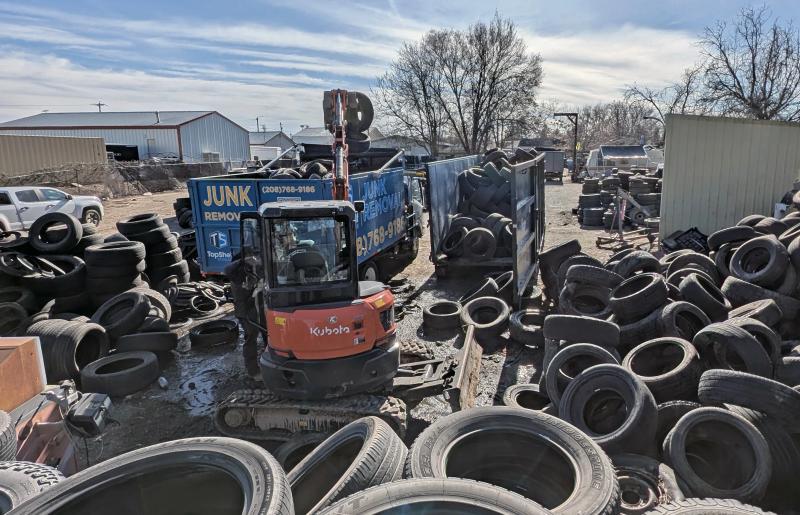
If you've got a pile out back and want a straight number, text us a photo. Our [tire removal service](/junk-removal/hazardous-waste-removal/tire-removal) covers a few car tires in the garage or a whole fence line of ag rubber, anywhere in the Treasure Valley.
Call or text (208) 593-2877 whenever you're ready. No pressure if you'd rather do it yourself, and we'll say so if that's the smarter move.
Need Help With Tire Removal?
Top Shelf serves Boise and the Treasure Valley with professional junk removal, cleanouts, and demolition services.