
Thorough Property Cleanout: What Gets Cleared, Sorted and Hauled Away
By Eric Hinderager, owner of Top Shelf Junk Removal and Demolition
A thorough property cleanout clears attics, crawl spaces, sheds and yards, then sorts it all for donation, recycling or landfill. Here's how it works.
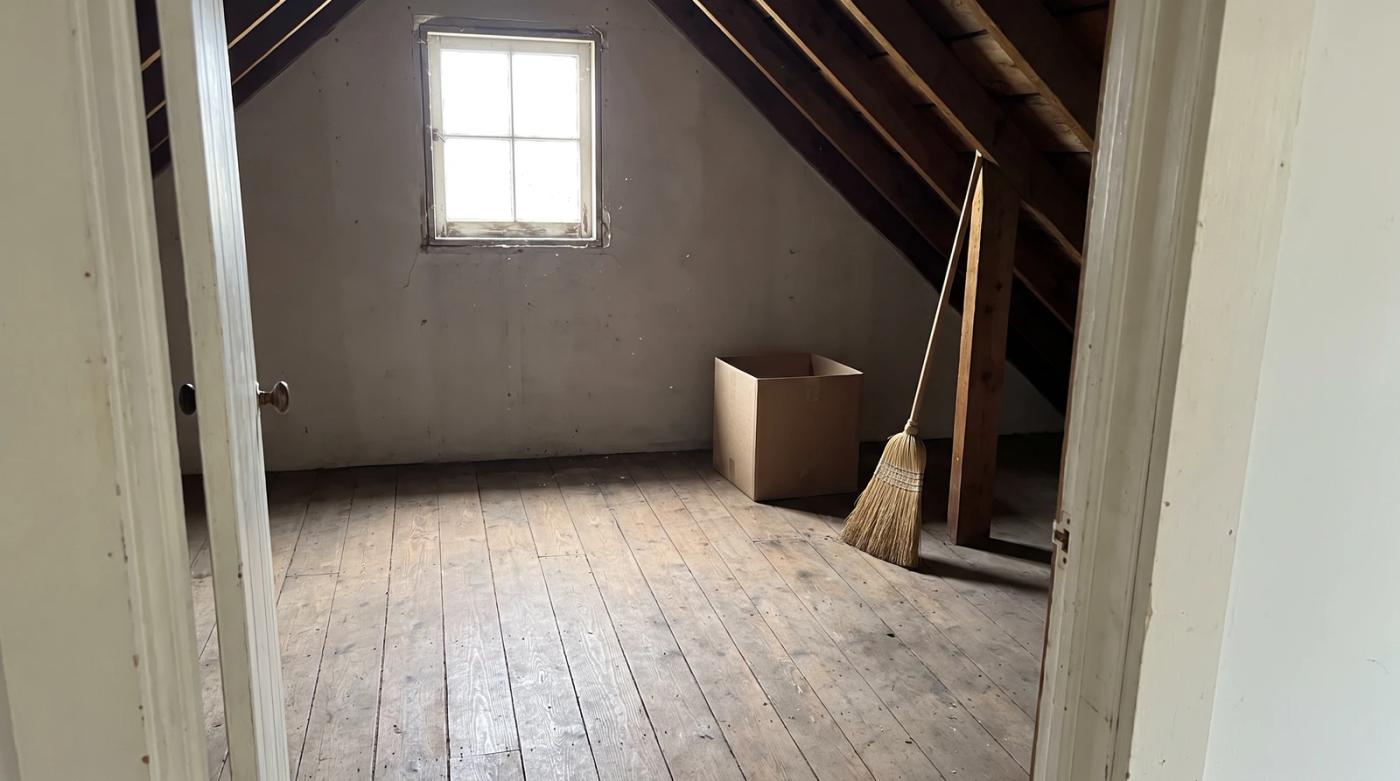
A thorough property cleanout clears every space on the lot, not just the rooms you see from the front door. That means the attic, crawl space, garage, sheds and yard too. Everything gets sorted on the way out, so good items can be donated, scrap gets recycled and only true junk goes to landfill disposal.
That's the difference between real work and a quick haul of the obvious stuff. Around Boise and the rest of the Treasure Valley, the spaces nobody thinks about are often where most of the work hides.
What follows is what actually leaves the property, where each load ends up and what stays put.
What a thorough property cleanout actually covers
A full job covers every space where something could be stored, not just the rooms you live in. If it has a door, a hatch or a tarp over it, someone checks it.
Top Shelf's Cleanouts include estates, house cleanouts, garages, attics, basements, rental turnovers, storage units, foreclosures and hoarding cleanouts. Every job looks a little different.
Professional whole-home cleanouts check the spots a quick junk removal pickup skips, and the goal stays the same: nothing left behind that should have gone.
Does a crew really need to climb into the attic? If the house is going on the market, yes. Buyers and inspectors usually open the hatches.
The spaces people forget: attic, crawl space, sheds and under the deck
Attics in older homes, especially around the North End and the Bench, tend to hold years of boxes and holiday decorations. There's often an odd chair somebody hauled up the pull-down ladder once and never brought back down.
Crawl spaces collect leftover building materials, old ductwork and things that were only going to sit there for a little while.
Then there are the outbuildings. Sheds, detached garages, lean-tos and the gap under the back deck all count. Under-deck storage is a classic spot for old lumber, broken patio furniture and stacks of empty flower pots.
Heads up: Attics get very hot in an Idaho summer, and crawl spaces are tight in any season. Everything takes longer to get out than it would from a garage. Point these spots out during the estimate so they're part of the plan from the start.
Outside the house: yard waste, old fencing and piles along the fence line
The yard is part of the property too. Brush piles, old fencing, landscape rock, broken pavers, unburned firewood and the pile growing along the back fence all fall under debris removal.
Some of that is plain junk removal. Some of it, like a shed that's leaning hard or a rotted deck, is really a small tear-down.
Top Shelf Junk Removal and Demolition handles both services on the same job. When a structure needs a permit or a utility disconnect, the crew takes care of that part too.
What stays behind on purpose: keep items, papers and things the crew can't take
A good job leaves some things exactly where they are. Family keepsakes, anything the heirs or the seller want, and papers you haven't gone through yet should be marked or moved out before work starts.
Then there's the stuff a junk removal crew shouldn't haul. Top Shelf doesn't take medical or regulated waste. If sharps turn up, they're set aside for the owner instead of going in the truck.
What's the best way to clear out a whole property?
The best way is to walk the whole property first and decide upfront what stays. Then sort everything into donate, recycle and landfill piles as it leaves. Doing it in that order saves a lot of backtracking and second-guessing.
Here's how that plays out.
Walk every space and mark what stays before the estimate
Before anyone carries out a single box, walk every room, closet, outbuilding and corner of the lot. Use painter's tape or sticky notes, or just move the keepers into one room and shut the door.
This is also when the estimate happens. Top Shelf does a free on-site walk-through, looks at everything that's going and gives you a firm, volume-based price before anything is touched. The cost is based on how much truck space your stuff fills, so knowing what stays makes the quote accurate.
Worth asking: Ask any junk removal service you're considering whether the estimate is the real total or just a starting point. Top Shelf quotes a firm number upfront with no hidden fees, but it's a fair question to put to anyone.
Sort as it leaves: donate, recycle, landfill
Sorting happens on the way out the door, not after everything's in a heap on the driveway. Usable furniture, housewares and clothing get pulled to donate.
Some charities offer free pickup for furniture in good shape, so it's worth a call. Metal, appliances and electronics head toward recycling where it makes sense.
What's left is the broken, stained and worn-out stuff, and that goes to the landfill. A lot of what comes out of a house never sees the dump. That matters to a lot of families.
| What it is | Where it usually goes |
|---|---|
| Furniture, dishes, clothes and tools in good shape | Donation |
| Scrap metal, appliances, cardboard, electronics | Recycling |
| Broken, moldy or worn-out items | Landfill |
| Medications, sharps, regulated waste | Set aside for the owner |
Set aside anything regulated, like medications, sharps, chemicals and paint
Older homes often turn up a shelf of half-used paint cans, pool chemicals, weed killer or old prescriptions. None of that should be mixed into the general load.
Pull it all into one spot away from the work area before the crew arrives. Your county's household hazardous waste program is the place for paint and chemicals, so check their current drop-off sites and hours. Pharmacies and drug take-back events are the usual route for old medications.
Quick tip: Put loose sharps in a hard plastic container with a screw-on lid, like an empty laundry detergent bottle, and label it. Then nobody gets stuck reaching into a bathroom drawer.
Do a final walk-through of every room, closet and outbuilding
When the last load is out, walk the whole property again. Open every closet and cabinet, look up the attic hatch, shine a light into the crawl space and check behind the shed.
That's how a thorough job should end. Nothing should be left that somebody has to come back for.
How long does the whole job take?
It depends on how much stuff there is, how easy it is to reach and how much sorting has to happen. A lightly furnished house with good access goes a lot quicker than a packed one. A full basement, a loaded attic and a couple of sheds out back all add time.
What slows it down: volume, access, stairs and how much sorting is needed
- Volume. More stuff means more trips to the truck and more drop-off runs.
- Access. A long carry from the back door, narrow hallways or a steep gravel drive in the foothills all add time.
- Stairs. Basements, second floors and attic ladders slow down every single piece.
- Sorting. Homes where every box needs a look take longer than a straight haul.
- Season. Attic heat in July and icy back steps in January both slow a crew down.
What makes it go fast: decisions made before the truck shows up
The fast jobs are the ones where the family already decided what stays. When keep items are marked, papers are pulled and regulated waste is set aside, the crew can just work.
That's what makes for an efficient property clean. A little time spent deciding before the pickup is worth more than any crew you hire.
Common questions about our services
What does it mean to clear out an estate?
An estate cleanout means clearing a home and its property after someone passes away or moves into care, so it can be sold, rented or handed over. A good one sorts things to donate and recycle instead of hauling everything to the dump.
How much does it cost to clean out a house for sale?
The cost depends on volume, meaning how much truck space everything fills, plus access and how much sorting is involved. Top Shelf gives a free on-site estimate and a firm quote before any services start.
Where does everything go after it leaves the house?
Usable items go to charity, metal and appliances go to recycling, and the rest goes to the landfill. Medical and regulated waste stays with the owner.
Can an old shed or deck come down on the same job?
Yes. Top Shelf's services include shed, deck and fence tear-downs along with junk removal. The crew handles the permit and any utility disconnects when the structure needs them.
Getting the whole property clear
A thorough job isn't measured by how full the truck gets. It's measured by what's left when everyone leaves, which should be nothing. It's also measured by how much of the haul ended up somewhere other than the landfill.
Related reading: Professional Cleanout Team: What They Do and How to Choose One and Whole House Clean Out Services: What's Included, the Process and Cost.
If you've got a property in Boise, Meridian, Eagle, Nampa, Caldwell or anywhere else in the Treasure Valley, give Top Shelf a call at (208) 593-2877. Someone will walk it with you and talk through the services you need. The estimate's free, and there's no pressure either way.
Need Help With Cleanouts?
Top Shelf serves Boise and the Treasure Valley with professional junk removal, cleanouts, and demolition services.