
DIY Mobile Home Demolition in Boise: Is It Worth It?
Thinking about tearing down a mobile home yourself near Boise? Here's the real cost, time, and mess of DIY mobile home demolition vs. hiring a crew.
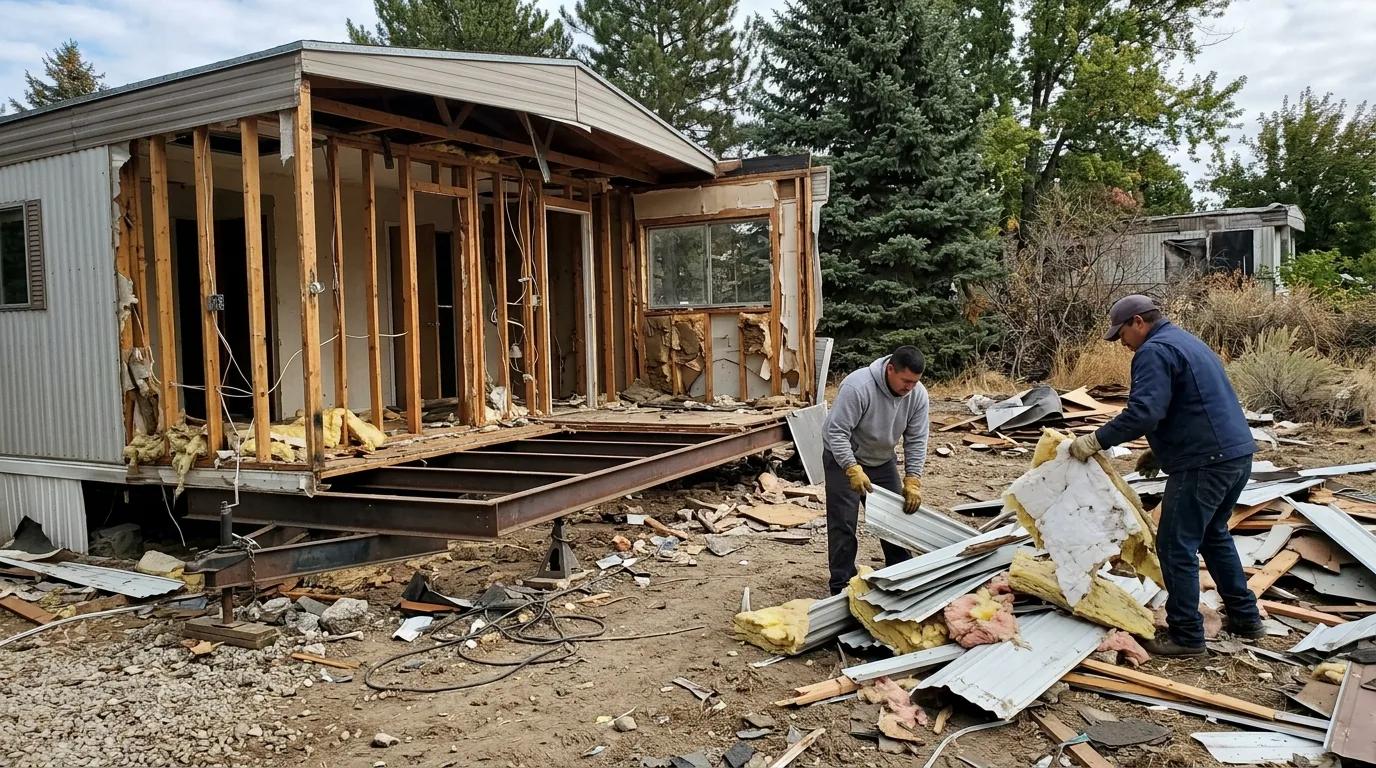
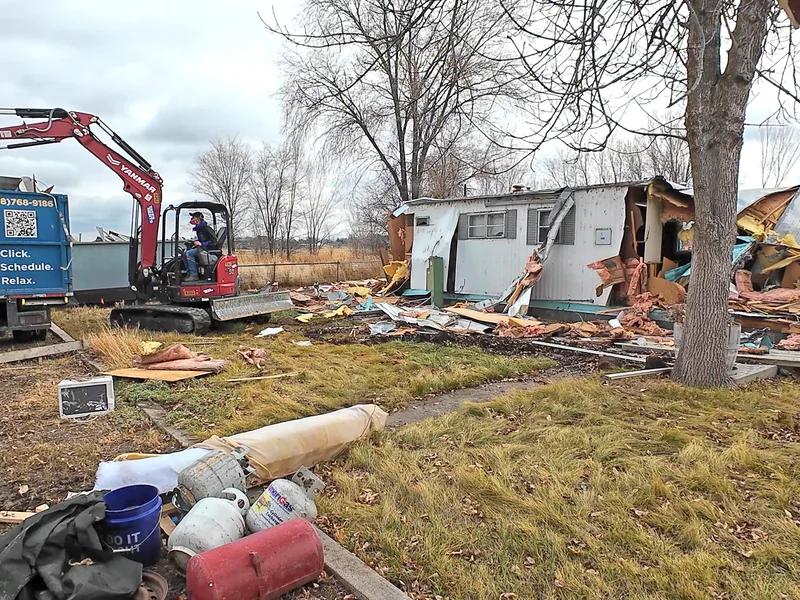
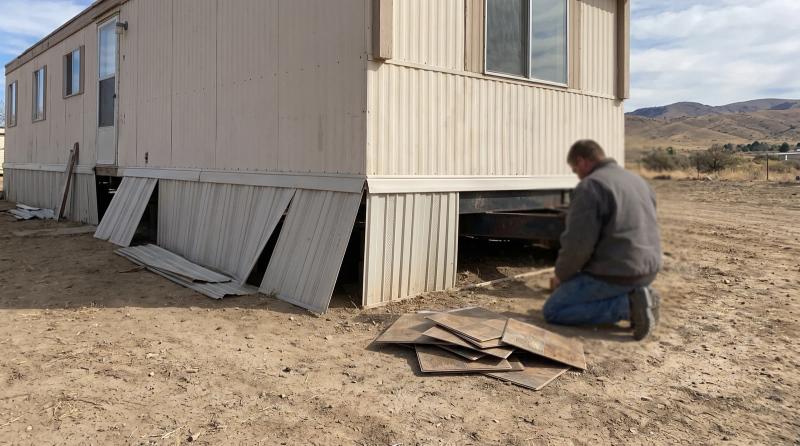
A lot of DIY mobile home demolitions stall the same way. A couple of weekends go into prying siding off an older single-wide with a crowbar, the rented dumpster is already full, and then it turns out the dumpster can't stay where it's parked. That's usually when people start asking whether someone else can take it from here.
But the question that comes before that is the same one a lot of Treasure Valley folks ask: can you just tear down a mobile home yourself and pocket the savings?
Short answer? You can. Whether you should is a different conversation.
What DIY mobile home demolition actually looks like
People picture a sledgehammer and a free Saturday. The reality is a lot more sorting and a lot more paperwork.
A mobile home isn't one material. It's a steel frame, wood framing, aluminum or vinyl siding, fiberglass insulation, drywall, wiring, plumbing, and a roof that's often layered tar and metal. Some older units have material you legally can't disturb yourself without testing first.
Heads up: Mobile homes built before the early 1980s can contain asbestos in floor tiles, insulation, and adhesives. In Idaho you're supposed to have a survey done before demolition, even on a DIY job. Skip it and you're the one on the hook if it turns up.
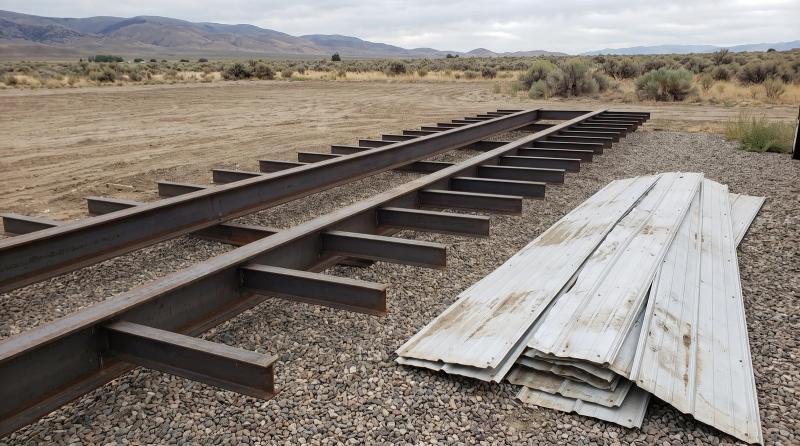
Then there's the frame. That steel chassis under the floor is heavy and awkward, and it doesn't come apart with hand tools. Most DIY-ers get the walls and roof down, then stall out completely on the metal.
Debris adds up fast, too. A single-wide produces a lot of mixed material, and how much depends on its size, how many roof layers it has, and what's still inside. The Ada County landfill charges by weight, so every load you haul costs you at the scale, and mixed demolition debris isn't cheap to dump.
The permits and disconnects nobody warns you about
Here's where most weekend plans fall apart.
Before anything comes down, the utilities have to be properly disconnected, not just flipped off at the breaker. Power, gas, water, and sewer or septic all need to be handled the right way, and gas especially needs to be capped by someone who knows what they're doing.
You'll also likely need a demolition permit from your local building department, whether that's Boise, Meridian, Nampa, or the county. If you'd rather hand that whole side off, it's part of what we handle on a [mobile home demolition](/demolition/mobile-home-demolition) job.
The part that surprises people: a DIY permit doesn't make the job faster. You still wait on inspections. You still coordinate disconnects. You just do all of it yourself, squeezed in between your actual job and everything else.
Mobile home demolition costs: DIY vs. hiring a crew
I'll be straight with you, since we'd obviously love the job. Sometimes DIY genuinely makes sense, especially if you already own a skid steer or a trailer and you've got time to burn. But run the real math before you commit.
| DIY Teardown | Hiring a Crew | |
|---|---|---|
| Out-of-pocket cost | $1,500–$4,000 in dumpsters, dump fees, tool rental | $4,000–$8,000+ all in |
| Your time | 3–6 weekends, often more | Zero to one day on site |
| Utility disconnects | You arrange and pay each one | Coordinated for you |
| Asbestos handling | Your responsibility and liability | Handled properly |
| Site left clean | Only if you keep hauling | Graded and cleared |
That DIY column looks cheaper until you count the weekends and the trips to the scale. Once you add those up, the savings can shrink fast, and you pay for them with Saturdays spent covered in fiberglass.
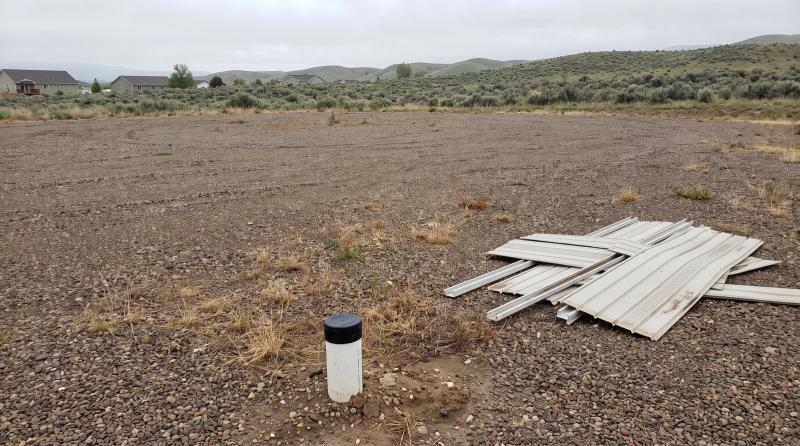
A hired [mobile home demolition](/demolition/mobile-home-demolition) quote should cover the disconnect coordination, the labor, and hauling the debris to the right places. The metal frame should go for scrap (Western Recycling is one local option), usable material should stay out of the landfill where it can, and the pad should be left graded so you can actually use the spot again.
When DIY is the right call (and when it isn't)
DIY can work if a few things line up:
- The home is newer, so asbestos isn't a worry
- You've got equipment, not just hand tools
- You've got real time, not just good intentions
- You're comfortable arranging your own permits and disconnects
If even two of those feel shaky, hiring out usually pencils out better once you count the dump runs and the risk. And if you've already started and hit a wall, that's fine too. Handing off a half-started teardown is common, and nobody should lecture you about it.
The stuff inside is its own question. If the home's packed with old furniture and junk, that has to clear out before demo either way. It can be rolled into the demolition job or handled as a separate cleanout first, so ask which keeps your costs down.
The bottom line
You can demolish a mobile home yourself near Boise. The tools exist and the permits are gettable. But between the asbestos rules, the utility disconnects, the steel frame, and the dump fees, the money you save rarely matches the time and hassle you spend.
Get a couple quotes before you buy a single crowbar. If DIY still makes sense after that, go for it. If it doesn't, give us a call at (208) 593-2877 and we'll give you a straight number, no pressure either way.
Need Help With Mobile Home Demolition?
Top Shelf serves Boise and the Treasure Valley with professional junk removal, cleanouts, and demolition services.