
Garage Cleanout in Boise: Getting Your Car Back Inside
Want to park in your garage again? Here's how to size up a garage cleanout in Boise, what really eats your space, and what it costs to clear it out.
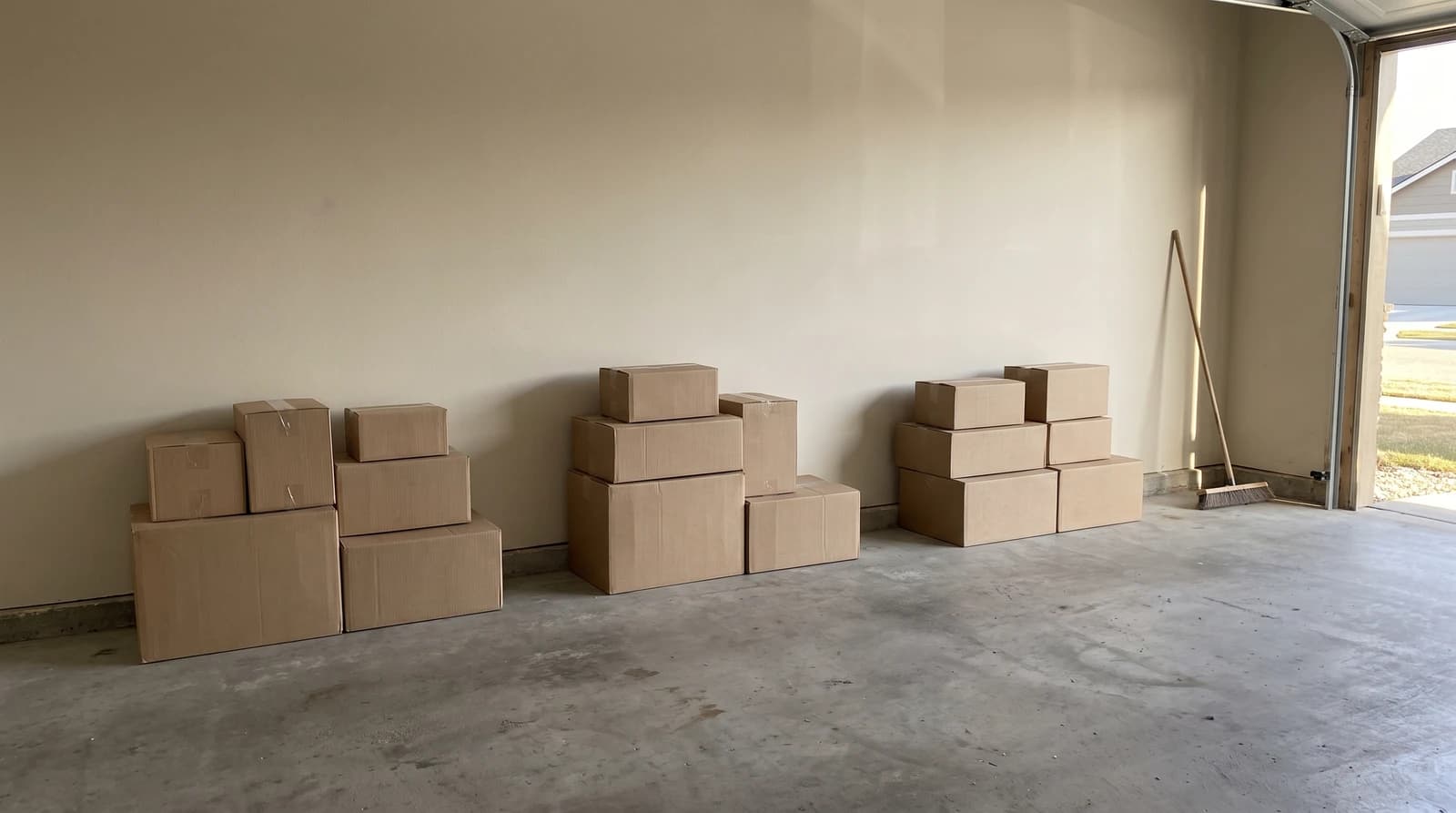
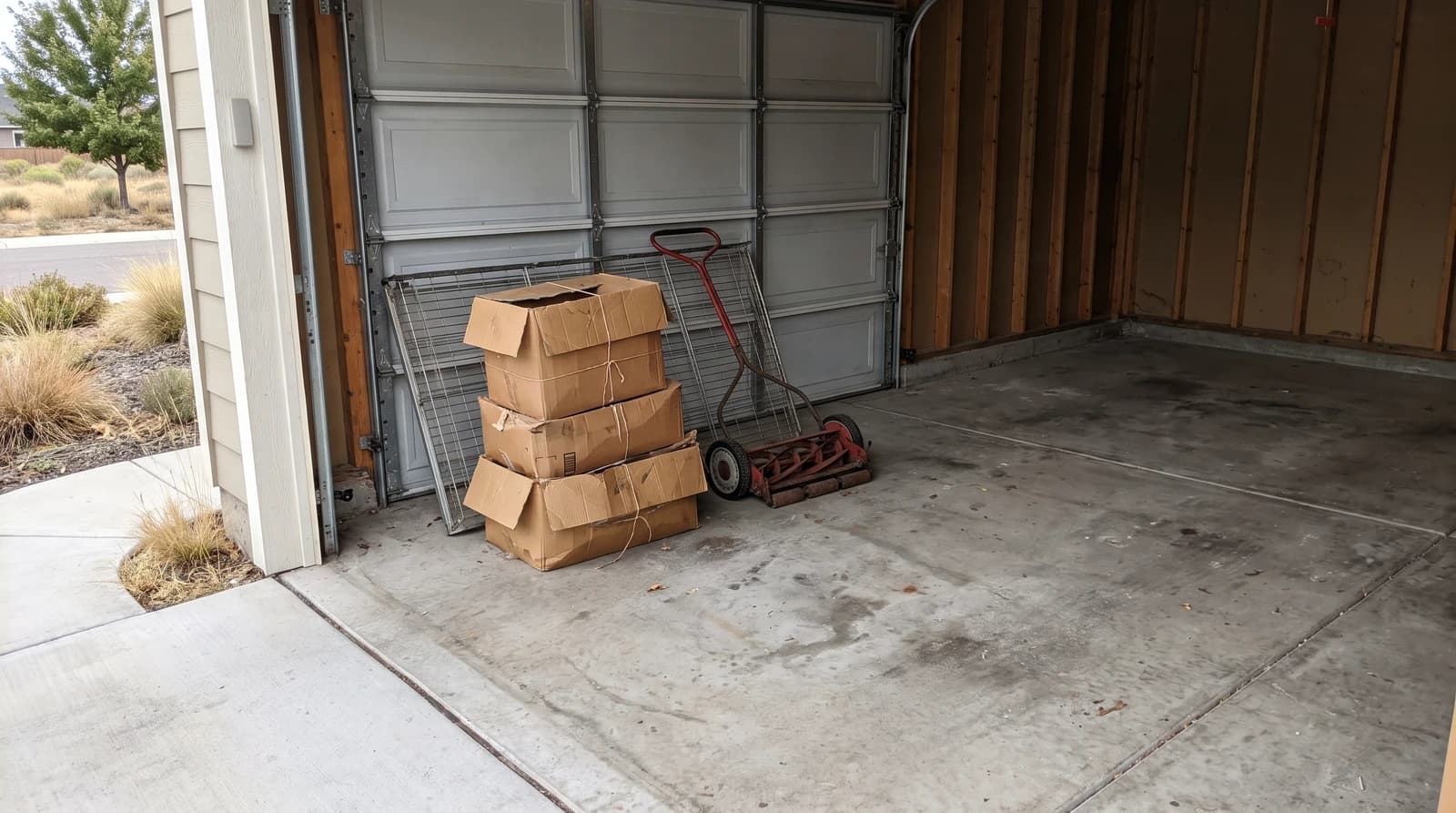
You can usually tell which garages around here get parked in and which ones don't. Drive through northwest Meridian on a Saturday with the doors up and about half of them have a chest freezer, a mower, and a wall of totes sitting right where the second car should be.
That's the number one reason people call us for a garage cleanout in Boise. They want the car back inside before winter hits.
Fair goal. Scraping frost off a windshield at 6:40 in the morning gets old in a hurry.
Here's what trips people up, though. Clearing a garage so you can park in it isn't a sorting project. It's a measuring project.
Start your garage cleanout with a tape measure
Most two-car garages built in the Treasure Valley since the '90s run about 20 feet deep and 19 to 22 feet wide. Older places in the North End and up on the Bench are often 18 feet deep or less. Some detached garages out toward Star and Kuna are barely 16.
So grab a tape measure before you touch a single tote. Front wall to the closed door, then wall to wall.
Then get the height at the lowest point of the door when it's all the way open. And measure the vehicle while you're at it. Not the sedan you had in 2012, the thing sitting in your driveway right now.
That one measurement ends a lot of garage storage plans before anybody buys lumber.
What's actually eating your parking spot
So what's taking up the space? Nine times out of ten, it's the truck.
Idaho garages got sized around sedans, and a lot of us are parking crew cabs now. Here's roughly what you're working with in a standard 20-foot-deep bay:
| What you're parking | Rough length | Fits a 20-ft garage? |
|---|---|---|
| Compact sedan | 15 ft | Yes, with room to spare |
| Midsize SUV | 16.5 ft | Yes, comfortable |
| Minivan | 17 ft | Yes, but tight up front |
| Half-ton crew cab, short bed | 19.5 ft | Only with a bare front wall |
| Three-quarter-ton, long bed | 21.5 ft | No |
Now start subtracting. A workbench or a run of shelving on the front wall eats about 3 feet. Being able to open your door and get out without turning sideways costs another 2.5 feet along one side.
Do that math first and the keep-or-toss calls mostly make themselves. You stop asking "do I still want this?" and start asking "is this worth 18 inches of wall?" Way easier question.
The order that gets it done in one day
Working front to back is the classic mistake. You end up shuffling the same five boxes three separate times and it feels like nothing's happening.
We work in zones instead, and it moves a lot quicker:
- Empty the floor completely, including everything stacked along the walls
- Stage four piles in the driveway: keep, donate, recycle, haul
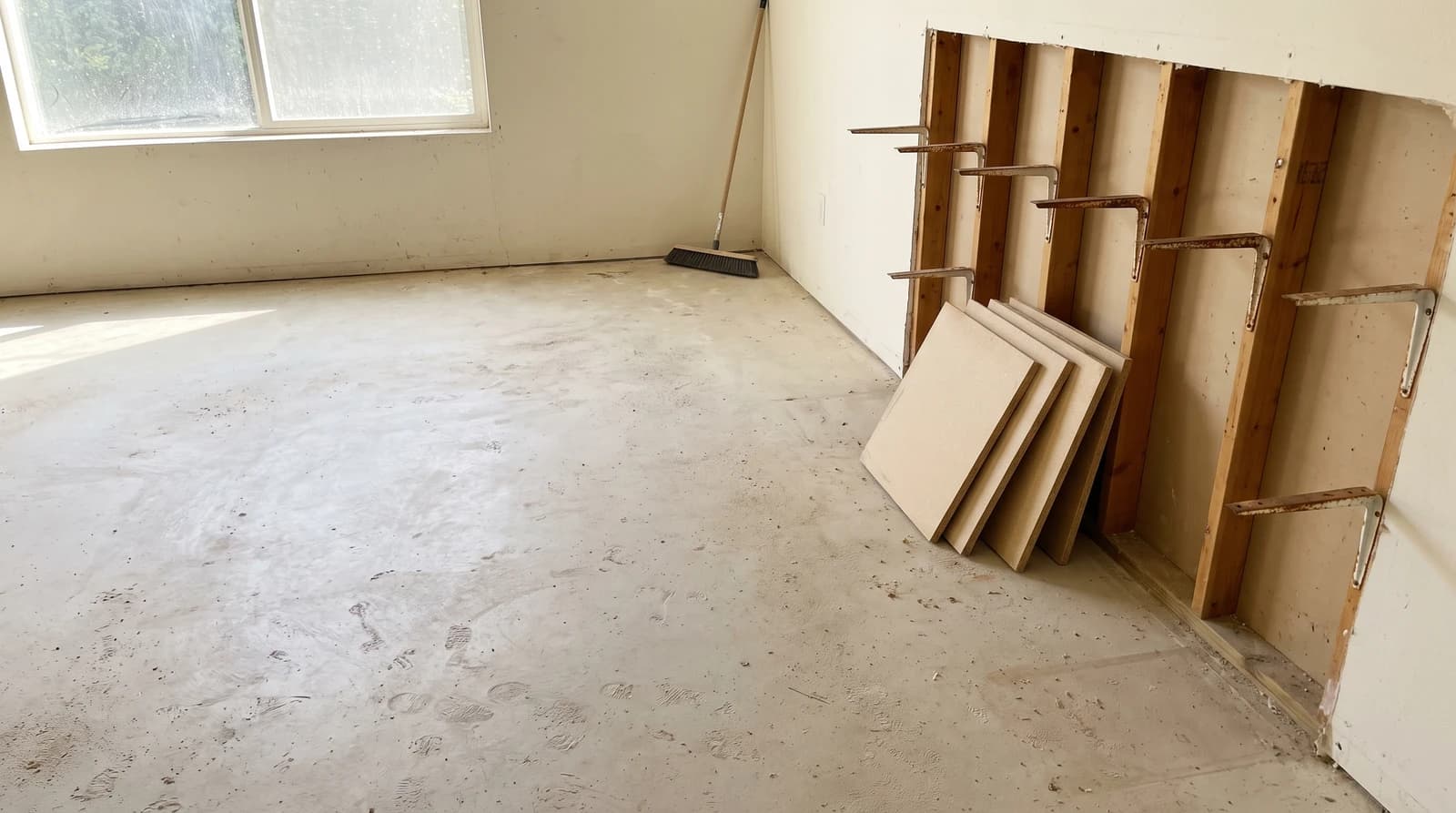
- Deal with cabinets and shelving next, because whether the shelving stays or comes out changes how much usable wall you end up with
- Load out the haul pile before you put one single item back
Putting things away is the last step, not something you do along the way. Start re-shelving while you're still sorting and you'll be out there under a work light at nine at night.
Where all that stuff actually ends up
Decent furniture, tools, and usable household goods go to Idaho Youth Ranch. They're picky about condition, and they should be. Sagging particleboard shelving isn't a donation, it's a chore you're handing to a volunteer.
Scrap metal is its own pile. Old bike frames, cast iron, dead appliances, bent conduit. That goes to a metal recycler like Western Recycling instead of the landfill, and it keeps real weight off your dump total.
What's genuinely finished ends up at Hidden Hollow, the Ada County landfill. If you sorted honestly, that's usually the smallest of the four piles.
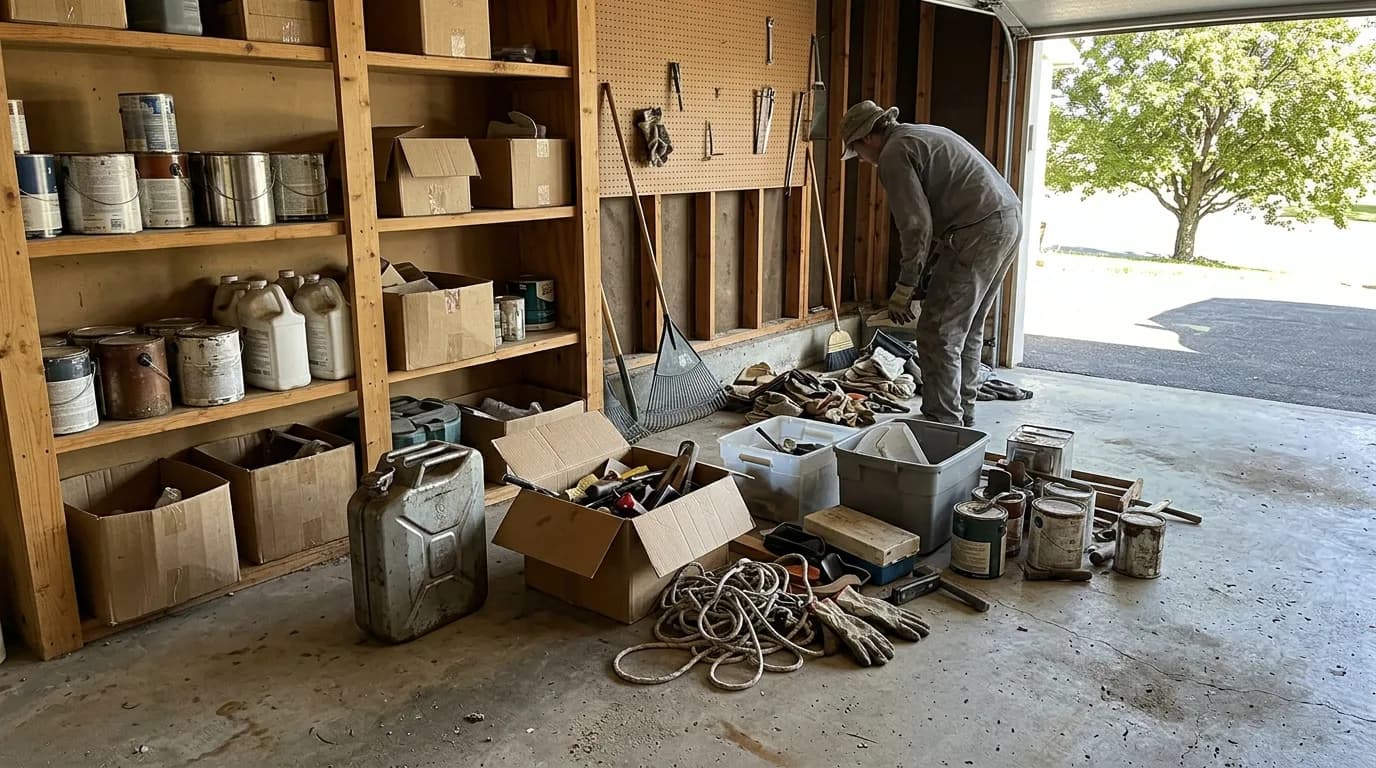
Paint cans, old gas, and pool chemicals are a separate conversation. Neither we nor the landfill can take those mixed into a regular load, and it comes up on almost every job, so we wrote up how to handle paint, gas, and chemicals in detail.
What a garage cleanout costs if you'd rather not do it
Doing it yourself costs you a Saturday, two or three dump runs, and a trailer rental if you don't own one. That's a real option and plenty of folks should take it.
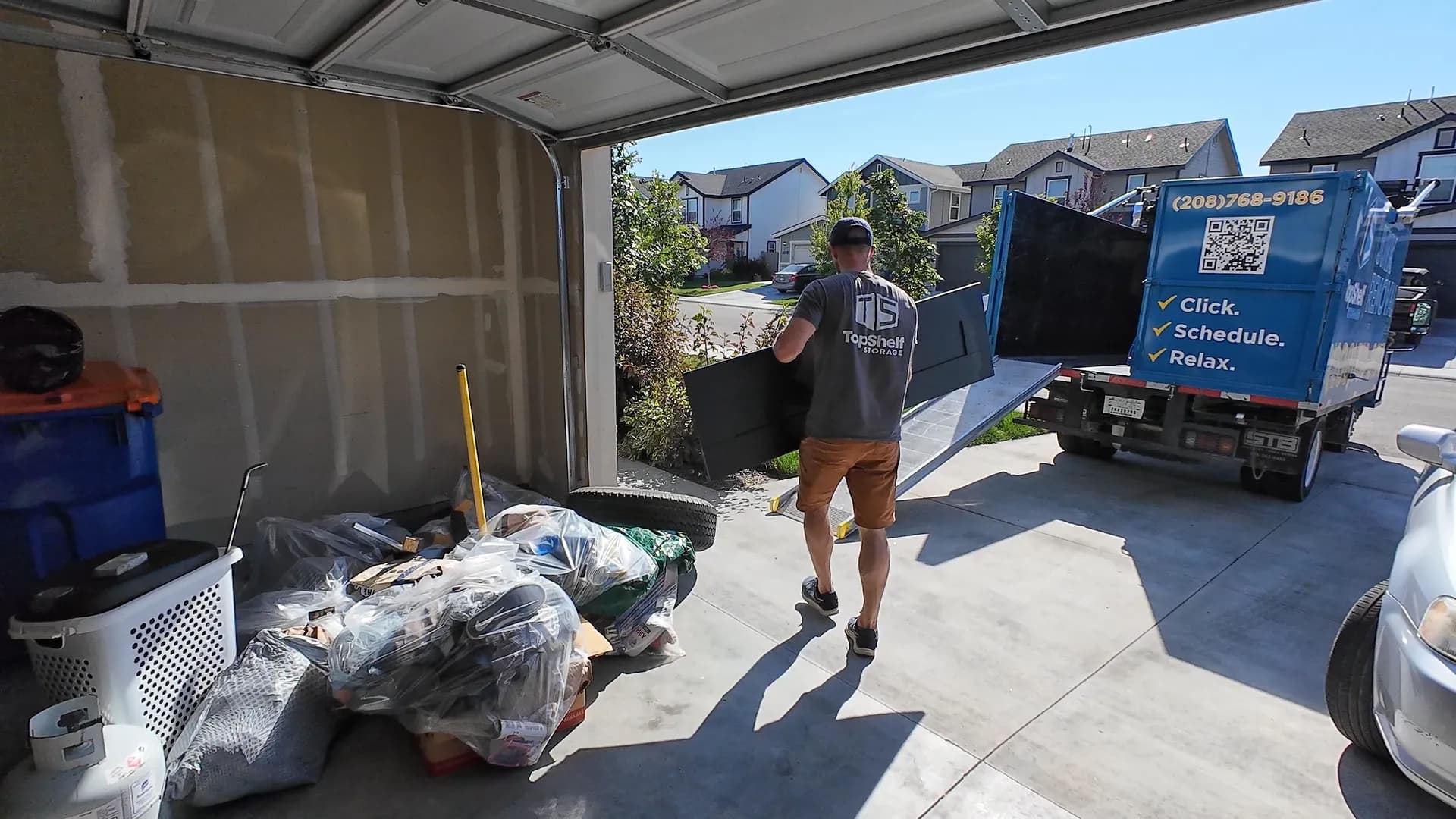
Hiring out a garage cleanout in Boise, Meridian, or Nampa usually runs $250 to $750 depending on volume. Half a truckload sits around $350.
Most standard two-car garages land in the $400 to $600 range. A packed one with old built-ins, a dead treadmill, and 20 years of totes can push past $800.
We're normally on site two to four hours. What surprises people is that most of that is loading, not deciding.
And yes, we'd like the job. But if your pile is mostly cardboard and yard waste and you've got a pickup and a free morning, go knock it out yourself. Save us for the heavy stuff, the awkward stuff, or the garage that's gotten past the point where you know where to start.
Bottom line
If parking is the whole point, measure first and sort second. Know your vehicle length, subtract your walkway and your workbench, and let whatever's left decide what stays.
Want it done in one shot instead? Give us a call at (208) 593-2877 and we'll walk through a garage cleanout quote with you. We usually have something open the same week.
Need Help With Garage Cleanout?
Top Shelf serves Boise and the Treasure Valley with professional junk removal, cleanouts, and demolition services.