
Estate Cleanout in Boise: What Paperwork to Keep or Shred
Sorting paperwork during an estate cleanout in Boise? Here's what to keep, what's safe to shred, and where to take the rest in the Treasure Valley.
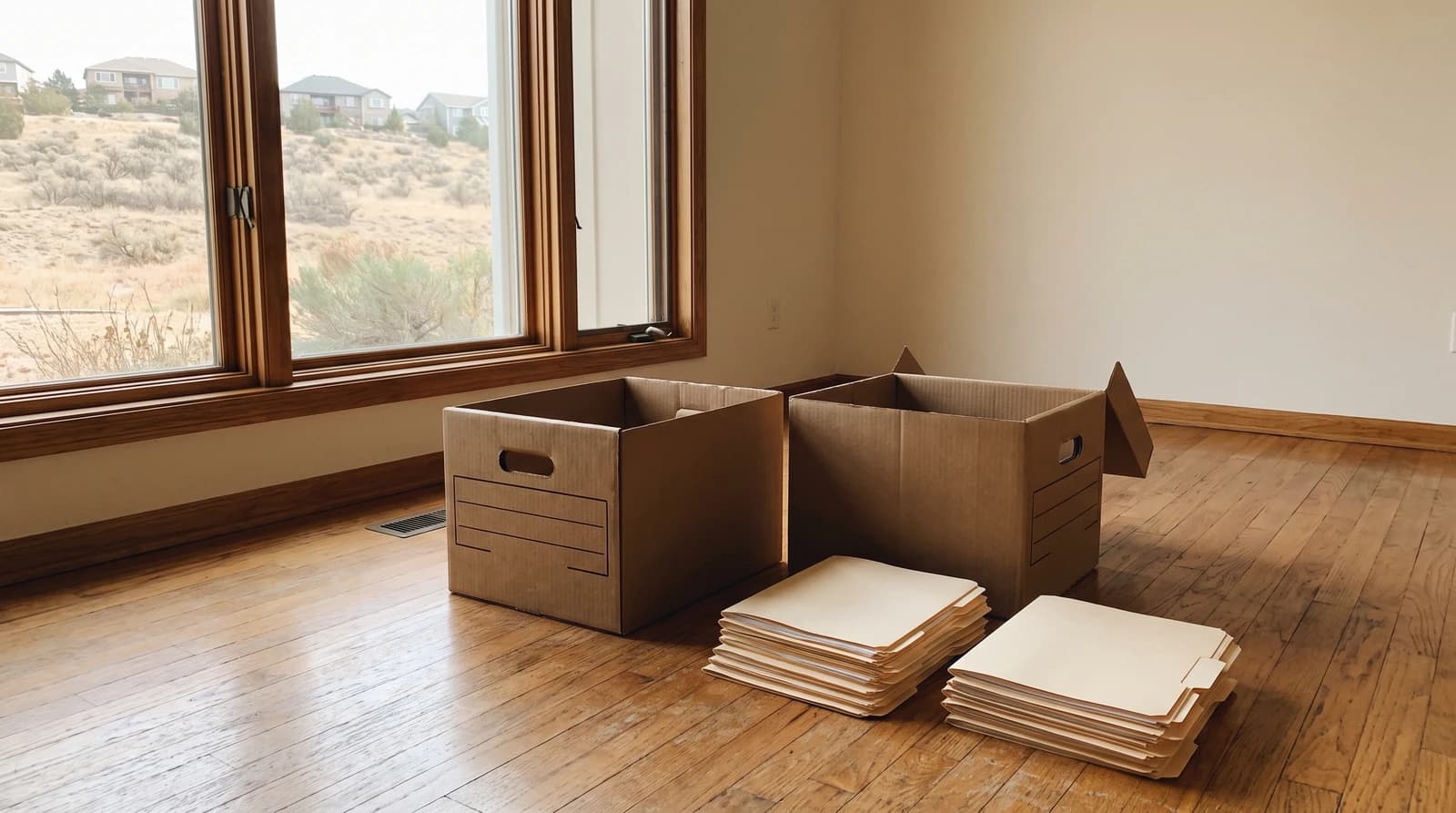
The filing cabinet is always the last thing anyone opens on an estate cleanout.
We've watched families in Meridian clear a whole house in two days. Furniture gone, garage empty, closets stripped. Then everybody stops cold in front of a four-drawer cabinet stuffed with forty years of paper, because nobody wants to be the person who threw out the deed.
So it sits.
Paperwork is the quiet bottleneck in almost every estate cleanout we run around Boise. It isn't heavy and it doesn't take up much room, but it eats more time than the couch, the beds, and the appliances put together.
Here's how to get through it without second-guessing every page.
Why paperwork stalls an estate cleanout
Everything else in the house is a yes or a no. A recliner is keep or toss, and you know which one in about a second.
Paper doesn't work that way. Every page has a small "what if I need this?" stuck to it, and two hundred pages of that wears people down.
Then there's the identity theft worry, which is fair. A Social Security number or an old account statement shouldn't be riding loose in an open trailer on the way to Hidden Hollow.
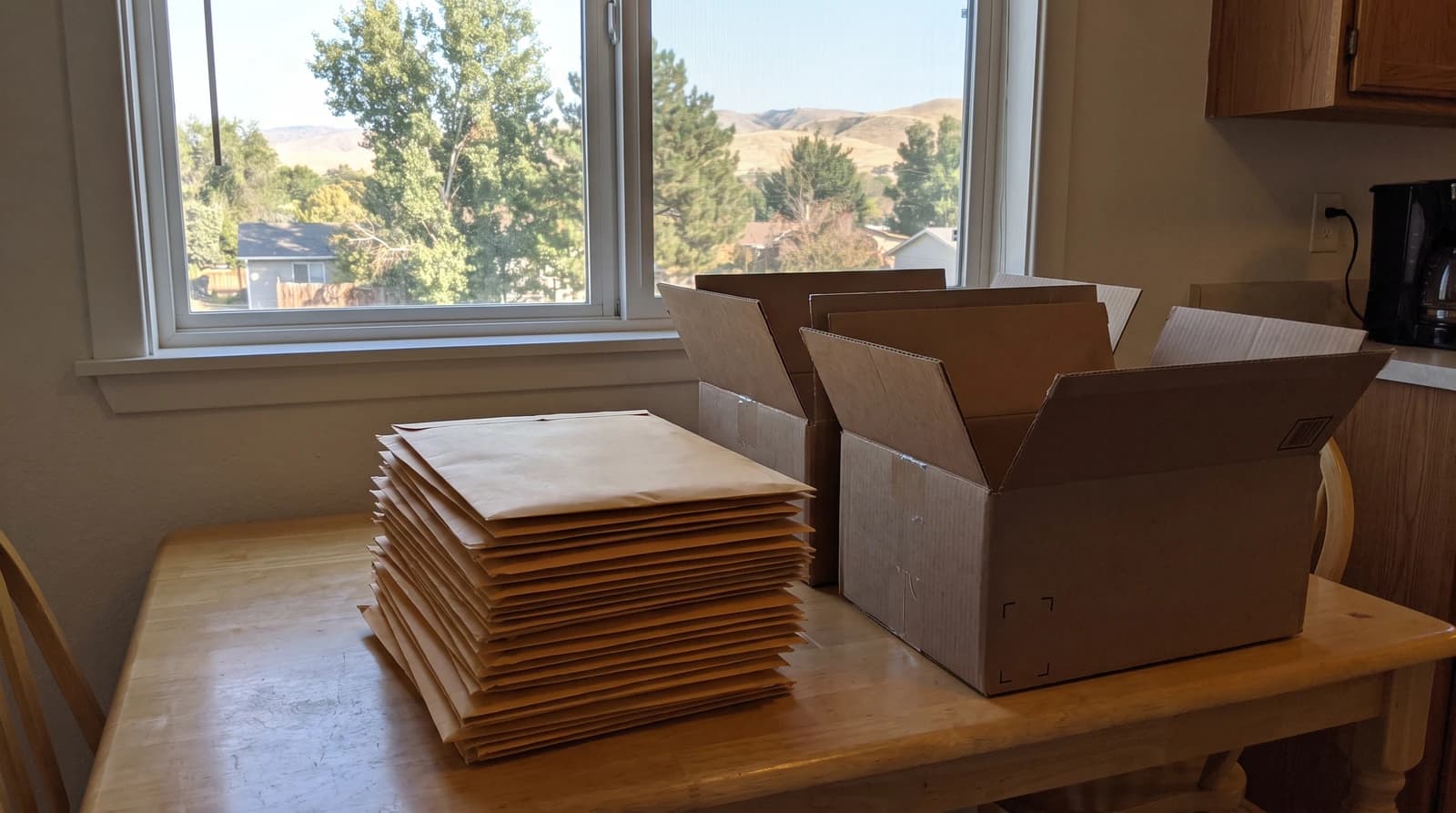
So folks do the reasonable thing and decide to go through it carefully later. Later becomes six months of banker's boxes in somebody's garage in Nampa.
The fix is boring, but it works. Sort by category, not page by page. You're not reading anything, you're just deciding which pile it lands in.
What's actually worth keeping
Most of what's in that cabinet doesn't matter to anyone. A handful of categories matter a lot.
| Paperwork | Keep it? | How long |
|---|---|---|
| Tax returns and supporting records | Yes | 7 years |
| Death certificates (get 8-10 copies) | Yes | Permanently |
| Deeds, vehicle titles, insurance policies | Yes | Until everything's transferred |
| Bank, retirement, and investment statements | Yes | Until the estate closes |
| Bills, receipts, warranties, catalogs, junk mail | No | Shred or recycle now |
One that catches people off guard: medical records and pension paperwork. If there's any chance of a VA claim, a life insurance payout, or a long-term care reimbursement, leave those alone until the attorney or the insurer says you're clear.
If probate hasn't started yet, it's worth knowing what you're allowed to move and when. We went through that in Estate Cleanout Before Probate in Idaho.
What you can shred without thinking twice
Once the keep pile is off to the side, what's left is usually 80 to 90 percent of the stack. Almost all of it is safe to destroy:
- Utility and cable bills older than a year
- Expired insurance policies with no open claims
- Bank statements past seven years with no tax connection
- Greeting cards, church bulletins, coupon clippings, magazines
- Manuals for appliances that left the house a decade ago
One caution before you start feeding the shredder. Check inside envelopes, and check inside books.
We've pulled cash, savings bonds, and stock certificates out of paperback novels more than once. Last spring a family in Boise found four hundred dollars tucked into a stack of old Christmas cards that was already headed for the recycling bin.
Where to take it in the Treasure Valley
A home shredder will handle a drawer. It will not handle a filing cabinet.
Ours quits around page eighty, and then you're standing in the kitchen waiting for it to cool off. Not how anybody wants to spend a Saturday.
Is it worth paying someone to do it? Usually, yes. Shredding services around the valley run about $1 to $2 per pound, which lands somewhere between $25 and $60 for a typical estate.
Banks and community groups host free shred events a couple times a year too. They'll cap you at a few boxes, so that works better for a drawer than a whole cabinet.
Clean paper with nothing sensitive on it, like magazines and old newspapers, can go to Western Recycling or straight into the curbside cart. Anything truly generic rides out with the rest of the load.
While you're sorting, keep an eye out for the practical stuff. Address books and old bills tell you which accounts are still open, which ties right into the mail and utility side of things we covered in Handle the Mail and Utilities First.
What we actually do on an estate cleanout
Here's the part where we're supposed to tell you to hire us for all of it. Yes, we'd love the job. But we don't sort paperwork, and we won't touch what's inside a filing cabinet unless you've pointed at a box and told us it's cleared to go.
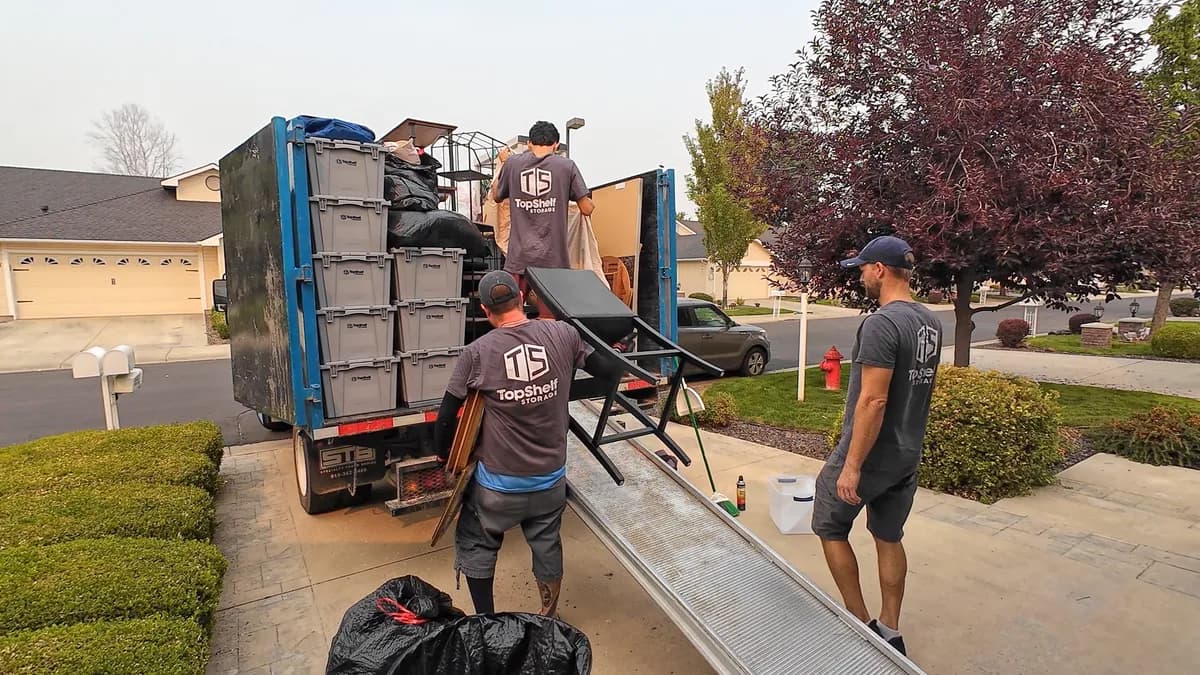
What we do is everything around it. On an estate cleanout, our crew takes the furniture, the garage, the shed, the basement, and the closets, which leaves you a quiet empty room to do the paper sort in.
Usable furniture and household goods head to Idaho Youth Ranch. The rest goes to the Ada County landfill or gets recycled.
Plenty of families have us do the heavy clear-out first, then knock out the paper in one evening with a pizza and a box of trash bags. It moves faster than you'd think once the house is empty.
And if you'd rather have the sorted shred pile hauled off with everything else, say the word and we'll load it. Your call, not ours.
Bottom line
Keep the tax records, the legal documents, and anything tied to an open claim. Shred the account statements and the old bills. Recycle what's left.
Sort by category and quit reading every page. That's the difference between a three-week job and a three-hour one.
If you want the furniture and the rest of the house gone so you can focus on the paperwork, give us a call at (208) 593-2877. Happy to look at photos and give you a number before you commit to anything.
Need Help With Estate Cleanout?
Top Shelf serves Boise and the Treasure Valley with professional junk removal, cleanouts, and demolition services.