
Does Insurance Cover Hoarding Cleanup in the Boise Area?
Does homeowners insurance cover hoarding cleanup in Boise? Here's what's usually covered, what gets excluded, and who actually ends up paying for the cleanout.
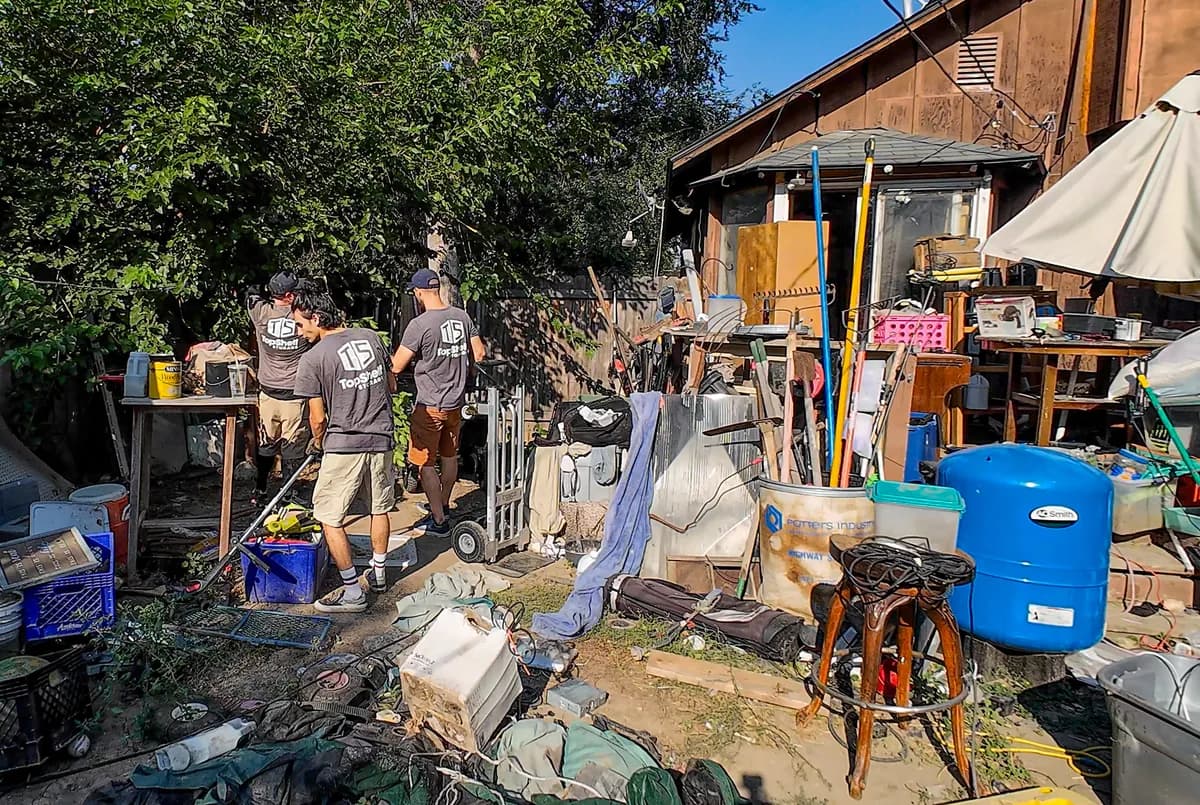
A woman in Meridian called us last April about a water heater that let go in a house that had been quietly filling up for about fifteen years. She had one question: would her homeowners policy pay for the hoarding cleanup?
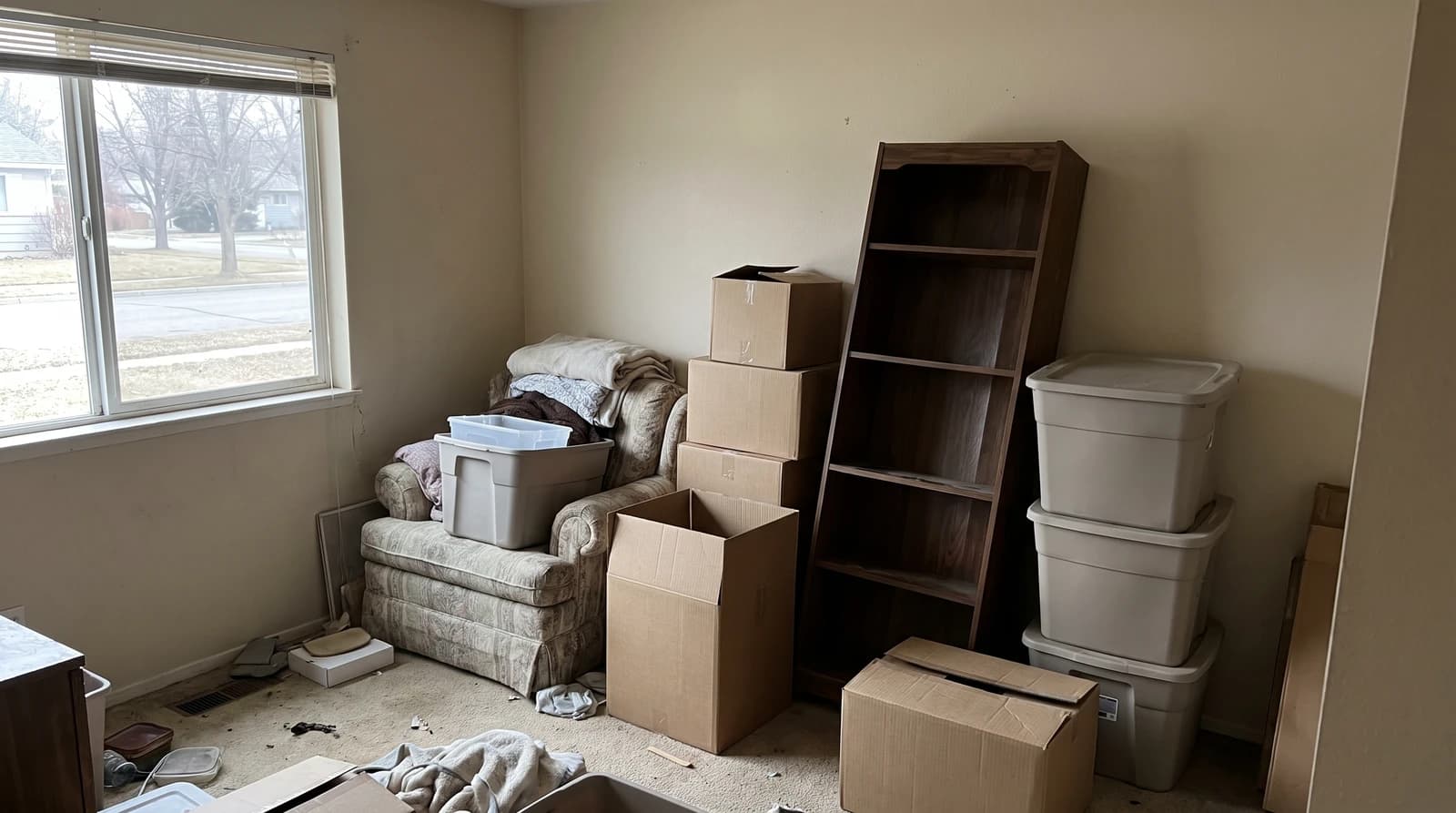
The adjuster kept steering the conversation back to the water. Nobody wanted to talk about the sixty-some boxes stacked down the hallway.
That's the gap most families run into. Insurance is written for sudden damage. It doesn't do much with the slow kind.
So here's what actually gets paid for, what doesn't, and how folks in the Treasure Valley usually end up covering the bill.
Why hoarding cleanup usually isn't a covered loss
Standard policies are built around sudden, accidental events. A pipe bursts. A tree comes through the roof.
Something catches fire, the carrier steps in, and the goal is putting the house back the way it was.
Accumulation isn't an event. It happened over fifteen years, and that's exactly what policies exclude with words like gradual, neglect, or wear and tear. Call your carrier, tell them your mom's house is packed and you need it emptied, and the answer is going to be no.
The hauling is the same story. Running truckloads to the Ada County landfill, dropping usable furniture at Idaho Youth Ranch, taking scrap metal over to Western Recycling. That's a service you're buying, not a loss you're claiming.
Which means the money question lands back on the family. One room might run a few hundred dollars. A packed house in Boise or Nampa that keeps a crew busy two or three days is a different number, and it's real money.
When a covered loss changes the answer
So does insurance ever pay toward a cleanout? Sometimes. If a covered peril hits a hoarded home, your policy may cover the piece of the cleanup tied to that peril.
Not the whole house. Just the damage and whatever's tangled up in it.
The usual suspects:
- A burst or frozen pipe, which we see plenty of every January in older Boise homes with uninsulated crawlspaces
- Sewer backup, but only if you carry that endorsement
- Fire or smoke damage
- A roof leak after one of our spring windstorms
Say four feet of soaked cardboard is sitting on a flooded floor. Somebody has to move every bit of it to get down to the subfloor, and that removal can fall inside the claim. The dry stacks in the back bedroom almost certainly won't.
Personal property coverage is its own conversation. If a covered loss ruined belongings, you may get paid for those belongings, and that money sometimes ends up funding the rest of the cleanout.
Just know that most policies pay actual cash value unless you specifically bought replacement cost. Depreciated furniture doesn't add up to much.
Who actually pays for hoarding cleanup around Boise
On most of the jobs we do, it's family. Sometimes an estate. Once in a while a landlord who's covering it now and chasing the deposit later.
A few other paths worth knowing about:
- ✓Estate funds. If the homeowner has passed, cleanup is a legitimate estate expense, paid before anything gets distributed.
- ✓Proceeds from the sale. Some families arrange to settle up at closing instead of out of pocket.
- ✓Split between siblings. Very common, and it goes smoother when one person is the decision maker.
- ✓Landlord recovery. Deposit first, then small claims, though collecting is a long shot.
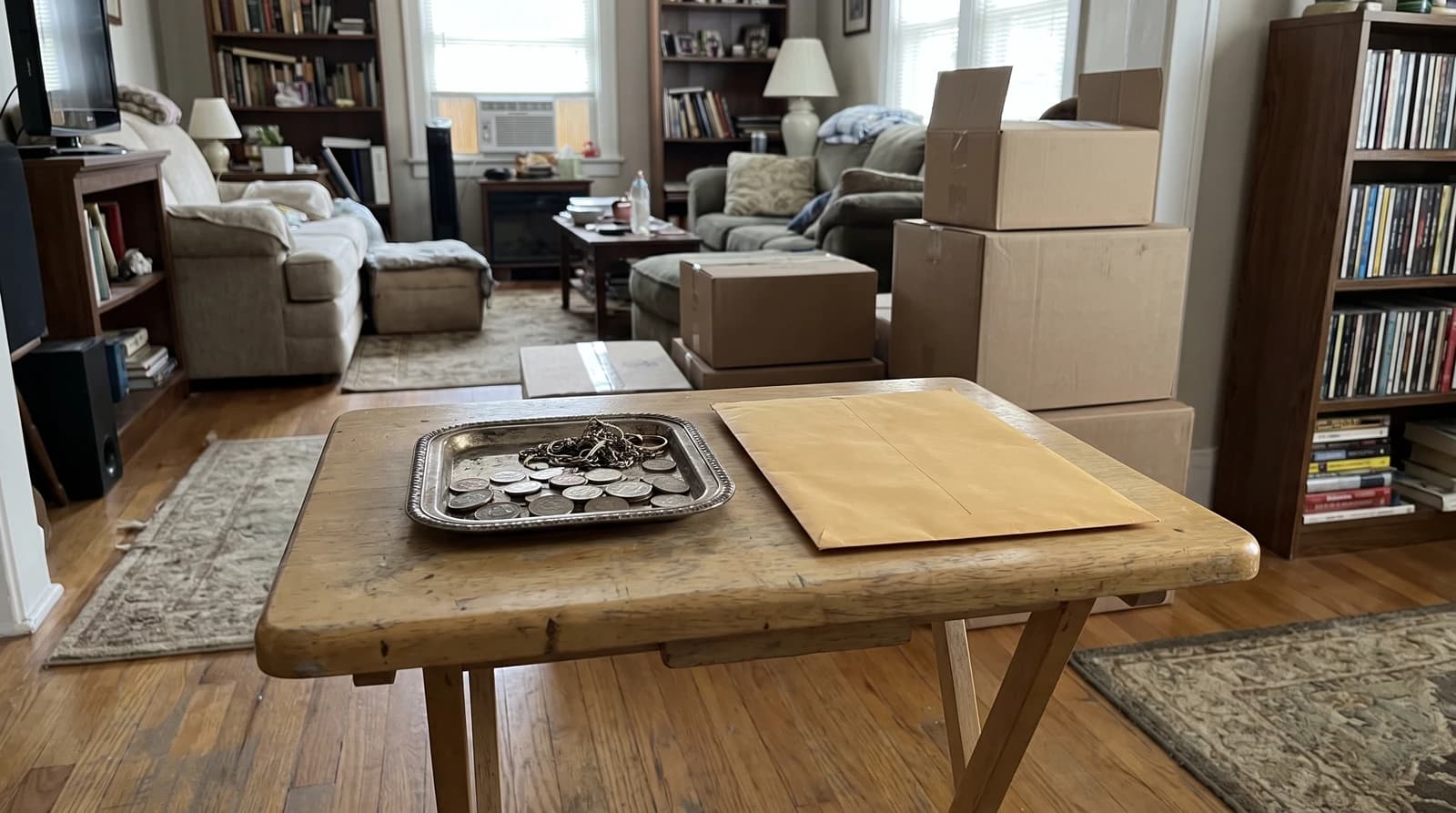
- ✓Valuables found on site. Cash, coins, and jewelry turn up more than you'd expect, and it can offset real money.
That last one isn't wishful thinking. We've handed back a coffee can of cash and a safe deposit key that had been sitting in an old shoebox for who knows how long. If you're curious how that side of it works, we wrote about what happens to valuables during a hoarding cleanup.
What to ask your carrier before you file
Two questions, and you can get both answered in one phone call.
First, is there a covered peril here at all? If nothing sudden happened, you're not filing, and a denied claim sitting on your record does you no favors.
Second, does your policy include debris removal coverage, and what's the limit? Debris removal is usually a percentage of the loss rather than its own pot of money, and it only applies to debris from the covered damage. Worth knowing that number before you assume it stretches across a whole house.
While you've got them on the line, ask about loss of use. If the home isn't livable, some policies cover temporary housing during the work.
That takes a lot of pressure off. It lets a family sort through things at a reasonable pace instead of racing a calendar.
And if insurance turns out not to be in play, which is how it usually goes, the next step is just getting a real number. We walk the house, look at volume and access, and quote it. Yes, we'd love the job, but you should know what you're dealing with either way.
Here's how we handle hoarding cleanup, and we laid out actual pricing in our guide on how much hoarding cleanup costs in the Boise area.
The bottom line
Insurance rarely pays for a cleanout on its own. It pays when a sudden, covered event caused damage, and only for the part connected to that event. Document everything before anyone touches a box, ask your adjuster about debris removal limits, and plan on the family covering the rest.
Want a straight answer on what your situation would run? Give us a call at (208) 593-2877. We do hoarding cleanup in Boise, Meridian, Nampa and around the Treasure Valley, and we'll tell you honestly whether it's even worth calling your insurance company first.
Need Help With Hoarding Cleanup?
Top Shelf serves Boise and the Treasure Valley with professional junk removal, cleanouts, and demolition services.